When a Dead Outlet Stops More Than Your Device
A dead outlet can feel like a small problem until it interrupts something important. Maybe your phone will not charge, your lamp suddenly goes dark, or a kitchen appliance stops working right in the middle of dinner prep. In some cases, one outlet fails by itself. In others, a whole section of a room seems to lose power at once. That is when the problem shifts from a simple annoyance to a home maintenance issue that deserves real attention. The good news is that a non-working outlet does not always mean a major electrical failure. Many outlet problems come from a tripped breaker, a resettable GFCI outlet, a loose connection, or a worn-out receptacle that has simply reached the end of its useful life. The challenge is knowing how to narrow down the cause without guessing, making the situation worse, or overlooking a sign of a larger electrical hazard. Understanding why your outlets are not working helps you respond with more confidence. Some fixes are straightforward and safe for a careful homeowner. Others call for a licensed electrician right away. The key is learning how outlets fit into your home’s wiring system, what symptoms point to common problems, and how to troubleshoot in a logical order.
Start With the Simplest Possibilities First
When an outlet stops working, many people assume the outlet itself has failed. Sometimes that is true, but it is usually not the first thing to suspect. Electrical systems are connected in layers, and an outlet can lose power because of something happening elsewhere in the circuit. That is why smart troubleshooting begins with the simplest and most common explanations before moving deeper.
The first step is to make sure the issue is actually the outlet and not the device plugged into it. A lamp with a bad bulb, a charger with a damaged cord, or a power strip with an internal fault can make a perfectly good outlet seem dead. Plug something else into the outlet that you know works. Then test that same device in another outlet to confirm the difference.
Next, check nearby outlets. If one receptacle is dead but the rest are working, the problem may be isolated. If multiple outlets in the same room or on the same wall are dead, that often points to a shared circuit issue. This simple comparison can tell you a lot before you ever touch the breaker panel or remove a wall plate.
A Tripped Breaker Is One of the Most Common Causes
One of the most common reasons outlets stop working is a tripped circuit breaker. Breakers are designed to shut off power when a circuit is overloaded, shorted, or otherwise unsafe. That shutdown protects your wiring from overheating and helps prevent electrical fires. The problem is that a tripped breaker is not always obvious at a glance.
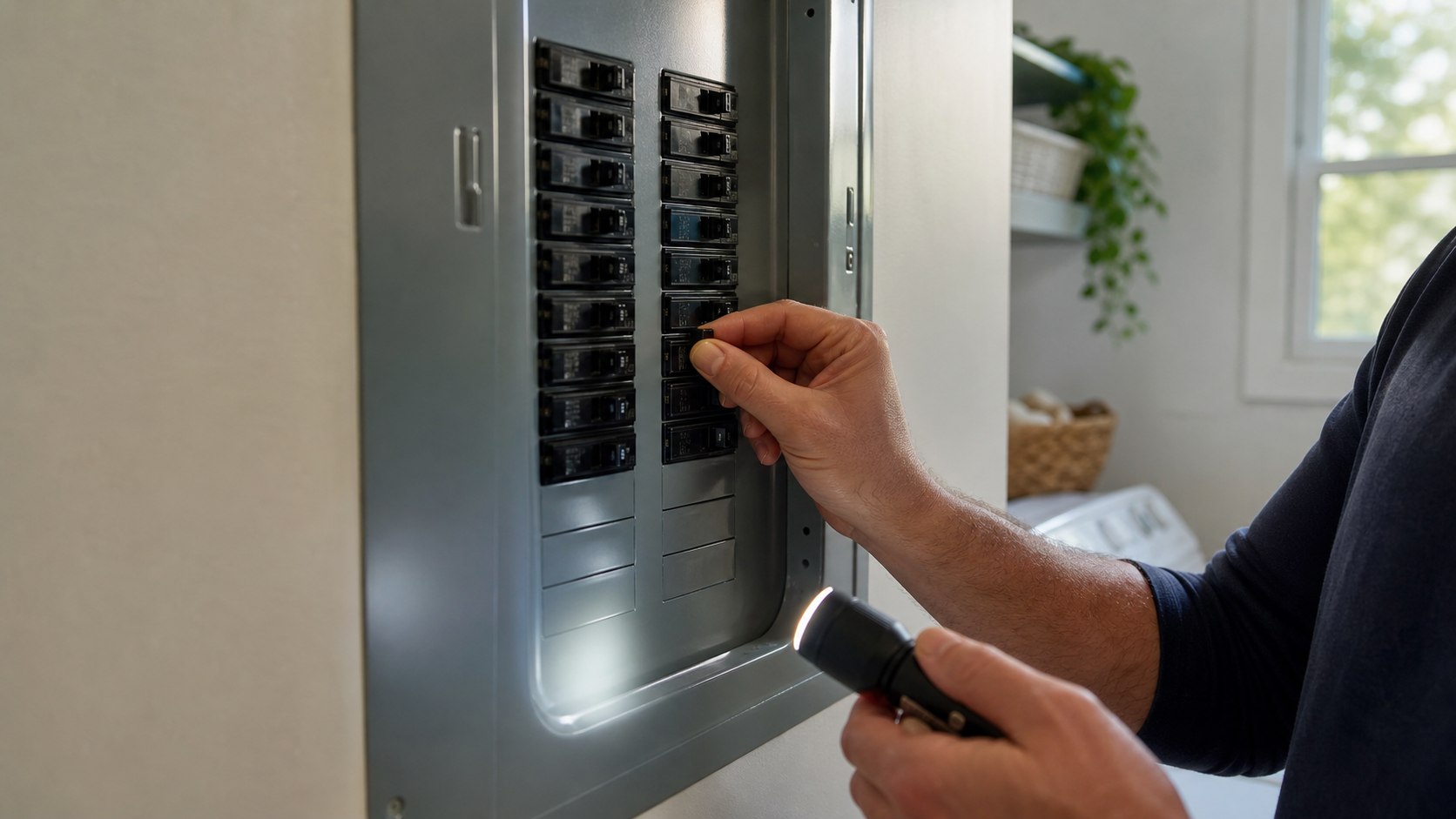
Open your electrical panel and look closely at each breaker. A tripped breaker may sit slightly out of line with the others, often in a middle position rather than fully on or off. Resetting it usually requires switching it firmly all the way off first and then back on again. If the breaker resets and power returns, the outlet problem may be resolved immediately. If the breaker trips again right away, do not keep forcing it back on. Repeated tripping means the circuit is detecting a persistent problem, such as a short circuit, faulty outlet, damaged appliance, or overloaded line. In that case, the breaker is doing its job, and the focus should shift to finding the source of the fault instead of overriding the protection.
Do Not Forget About GFCI Outlets
Ground fault circuit interrupter outlets are another major reason standard outlets suddenly stop working. A GFCI outlet is designed to shut off power quickly when it senses an imbalance in current, which can help prevent electrical shock. These outlets are common in bathrooms, kitchens, garages, basements, laundry rooms, and outdoor areas, but they can also protect other outlets farther downstream on the same circuit.
That means a dead outlet in a bedroom, hallway, or living room might actually be controlled by a GFCI outlet in another part of the house. If you have one dead outlet or several dead outlets in the same area, look for GFCI outlets nearby and press the reset button. Sometimes the problem is solved in seconds.
A GFCI outlet may trip because of moisture, a plugged-in appliance fault, wiring trouble, or even a temporary surge. If it will not reset, or if it trips repeatedly after resetting, that points to a deeper issue that should not be ignored. A failing GFCI can also wear out over time, especially in older homes or frequently used areas.
Loose Connections Can Kill Power Quietly
Not all outlet problems are dramatic. Some develop slowly and quietly because of loose wire connections behind the receptacle or in another outlet upstream on the same circuit. This is especially common in older homes, heavily used outlets, or circuits where backstab connections were used instead of more secure screw terminal connections.
A loose connection can interrupt the flow of power without tripping a breaker. It can also create intermittent behavior, where the outlet works sometimes and fails at other times. You might notice lights flickering on the same circuit, chargers that only work when wiggled, or an outlet that feels unreliable before it stops altogether. These are signs worth taking seriously. Loose connections matter because they are not just inconvenient. They can create heat buildup and arcing inside the box, which is one reason electrical problems deserve careful handling. If you turn off power and inspect the outlet, any sign of blackening, melted plastic, brittle wiring, or a loose terminal should be treated as a warning sign, not a small defect to overlook.
Worn-Out Outlets Happen More Often Than People Think
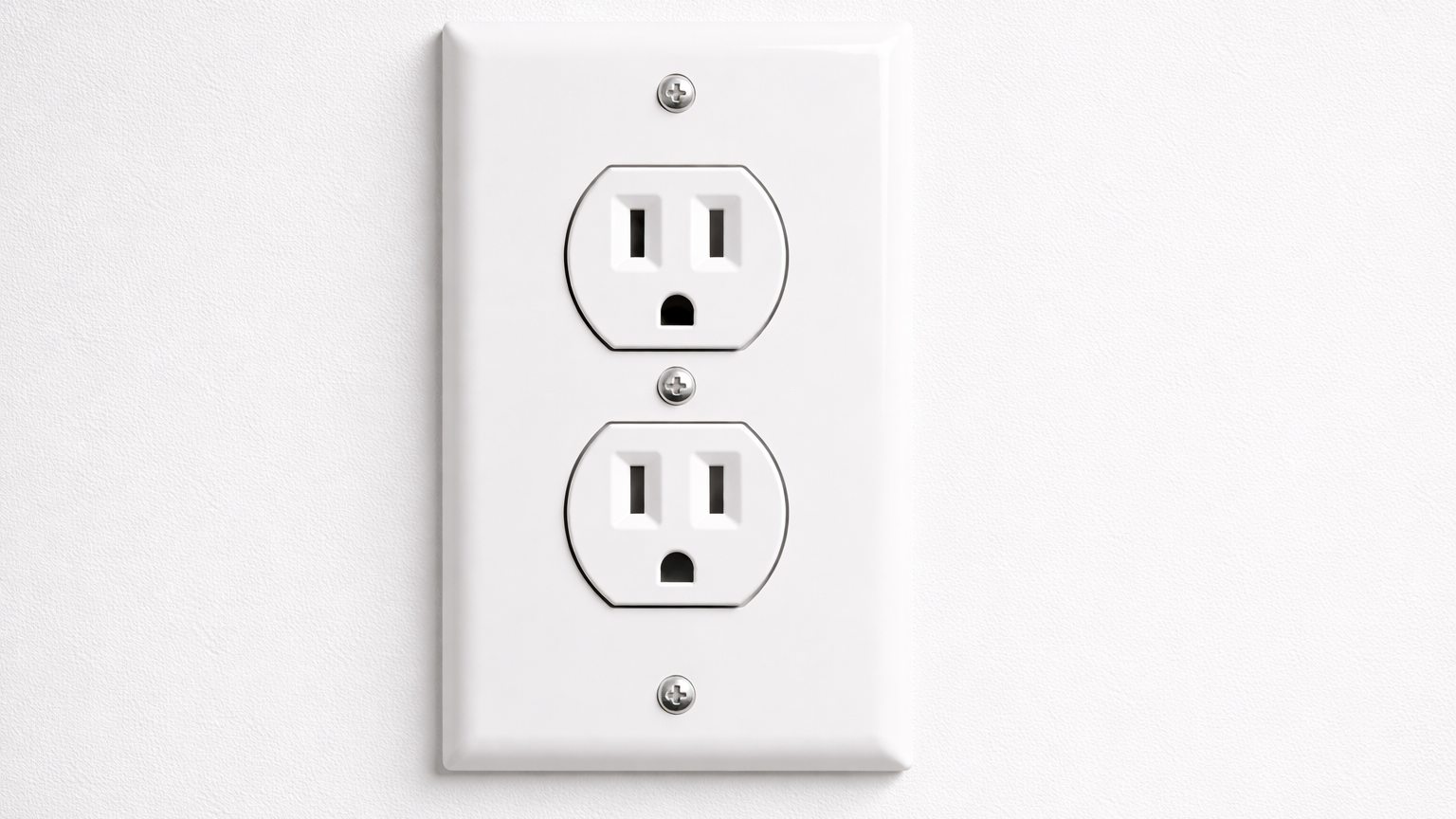
Outlets are not permanent parts that last forever without change. Over time, the internal metal contacts inside a receptacle can weaken, loosen, or wear out. If plugs no longer grip firmly, fall out easily, or feel sloppy when inserted, the outlet may be past its prime. A worn outlet might still provide intermittent power for a while before failing more completely.
This is especially common in older homes where the same receptacles have been used for decades. High-use areas such as kitchens, home offices, workshops, and entertainment spaces often show wear earlier because plugs are inserted and removed more frequently. Heat from heavy loads can also shorten the life of an outlet.
Replacing a worn receptacle is often a practical fix when the rest of the circuit is in good condition. Still, it should be done only after confirming the outlet is truly the issue and only with the power safely turned off. If the outlet shows burn marks, cracked plastic, or signs of overheating, replacement should move from optional to urgent.
Sometimes the Problem Is Upstream
One confusing part of outlet troubleshooting is that the dead outlet is not always where the real problem lives. In many circuits, power flows from one outlet box to the next. If a connection fails in an upstream outlet, switch box, or junction box, the outlets farther along the line may all go dead even though they are not damaged themselves.
This is why it helps to notice patterns. If multiple outlets are out in sequence, the failed connection may be in the last working outlet before the dead ones begin. That outlet may still appear to work while hiding a loose or failing pass-through connection inside the box. Finding that point often takes a methodical approach rather than a guess. Homes with renovations, additions, older wiring methods, or mixed generations of electrical work can be even more unpredictable. What looks like one bad outlet may actually be part of a longer chain involving a switch, GFCI, spliced connection, or hidden junction. This is where careful diagnosis matters more than replacing parts at random.
Safe Troubleshooting Matters More Than Speed
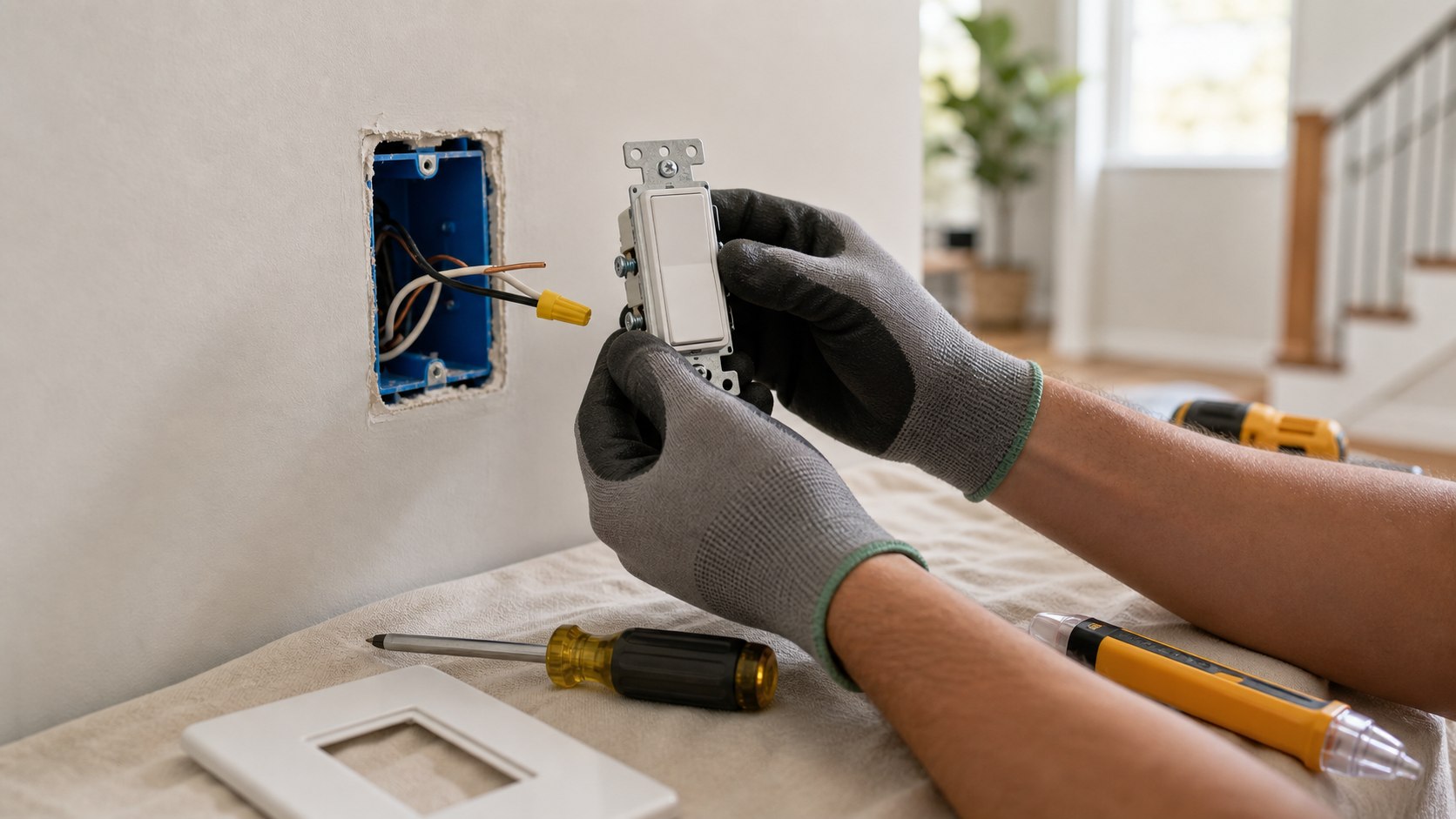
Electrical work rewards patience. If you plan to inspect an outlet more closely, always turn off the correct breaker first and verify that power is off before touching wires or device terminals. A non-contact voltage tester can help confirm that the area is safe, but it should be used carefully and followed by good electrical habits, not treated like a shortcut.
Never work on a live outlet. Never assume that flipping one wall switch removed all power. Never trust wire color alone in an older home. Electrical systems can contain surprises, especially in houses with decades of repairs and modifications. Safe troubleshooting is not just about avoiding shock. It is about preventing mistakes that create future hazards inside the wall.
If anything about the outlet looks scorched, smells burnt, feels hot, buzzes, or shows signs of melted insulation, stop and treat the problem as more serious. Those symptoms can signal arcing, overload, or damaged wiring that deserves professional attention. The cost of caution is small compared with the risk of fire or hidden electrical damage.
When You Can Fix It Yourself
Some outlet problems are reasonable DIY fixes for homeowners who are careful, informed, and comfortable following safety procedures. Resetting a breaker, resetting a GFCI outlet, testing devices, and replacing a worn outlet cover are simple first steps. Replacing a standard receptacle may also be manageable if the wiring is straightforward, the box is in good condition, and you are confident that power is fully off.
A successful DIY repair depends on recognizing the limits of the job. If the wiring is neat, clearly identifiable, and not damaged, replacing a standard outlet with the same type can be a practical maintenance task. The same goes for swapping a clearly failed GFCI with a matching replacement, provided the line and load connections are handled correctly. The moment the situation becomes confusing, the repair stops being routine. Mixed wire sizes, crowded boxes, aluminum wiring, evidence of heat, shared neutrals, uncertain grounding, or any sign that the circuit was altered improperly in the past should move the project out of casual DIY territory. Good home maintenance includes knowing when not to press forward.
When It Is Time to Call an Electrician
There are clear moments when professional help is the smartest move. If breakers trip repeatedly, outlets spark, walls feel warm, GFCI outlets will not reset, or multiple outlets fail without a clear cause, a licensed electrician can diagnose the issue faster and more safely. The same is true if the problem involves your panel, older wiring, or areas exposed to moisture.
An electrician is also the right choice when outlet failures keep returning after temporary fixes. Recurring problems often point to deeper issues such as loose splices, overloaded circuits, failing breakers, deteriorated insulation, or poor previous workmanship. These are not problems you want to leave hidden inside your walls.
Calling a professional is not admitting defeat. It is often the most efficient way to protect your home and restore reliable power. Electrical systems are too important to treat like a guessing game, especially when the warning signs suggest more than a simple device failure.
How to Prevent Outlet Problems in the Future
The best outlet repair is often the one you never have to make. Good habits can reduce wear and lower the chances of future failures. Avoid overloading outlets with space heaters, large kitchen appliances, or too many devices on one strip. Use outlets gently instead of yanking cords loose at an angle. Replace cracked wall plates and loose receptacles before they become bigger issues.
It also helps to pay attention to early warning signs. A plug that slips out too easily, an outlet that works intermittently, a GFCI that trips often, or a breaker that needs resetting more than once is telling you something. Addressing those clues early is easier and safer than waiting for complete failure. In older homes, periodic electrical inspection can be especially valuable. Even if everything seems to work, hidden wear can build up over time. A professional assessment can catch outdated receptacles, loose terminations, missing grounding, or panel issues before they create nuisance outages or safety problems.
The Real Goal Is Reliable and Safe Power
When your outlets are not working, the immediate goal is obvious: get the power back. But the bigger goal is restoring safe, reliable electrical service that you can trust every day. A dead outlet is sometimes a simple reset and sometimes a signal that the circuit needs closer attention. The difference lies in the details.
By starting with the most common causes, checking breakers and GFCI outlets, watching for patterns, and taking safety seriously, you can solve many outlet problems without unnecessary confusion. You also become better at recognizing the situations that call for professional help before a minor inconvenience becomes a major repair.
A working outlet is something most people take for granted until it fails. Once you understand how these problems happen, you are in a stronger position to respond quickly, fix what is reasonable, and protect your home from the issues that matter most. In home maintenance, that combination of knowledge and caution is what keeps small electrical problems from turning into large ones.