
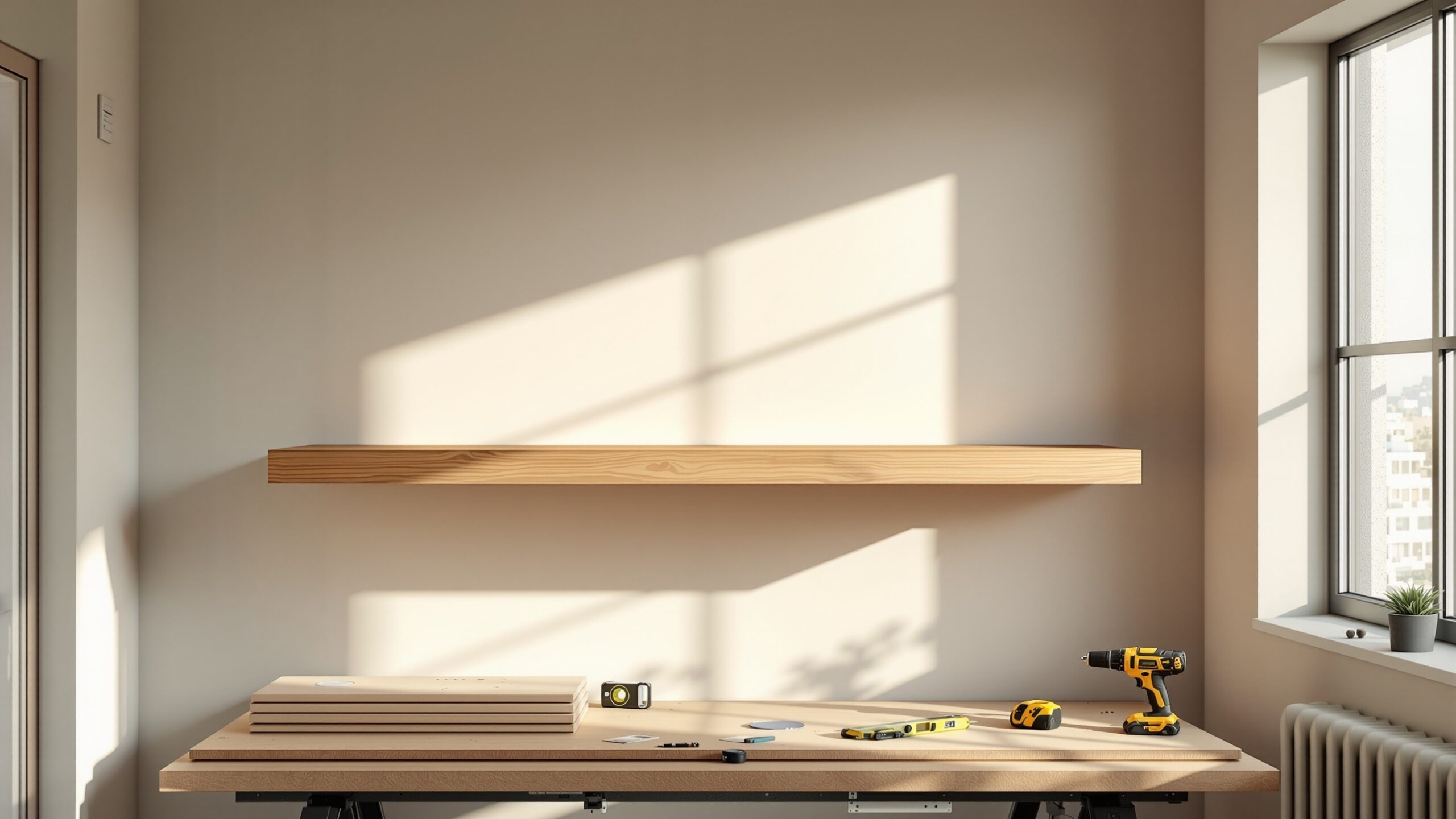
Custom Shelving is the ultimate “make the space work” build—where empty walls become storage, awkward corners become features, and clutter finally gets a home. On Drill and Skills, this category is all about shelving that fits your life instead of forcing your stuff to fit a generic box. Think floating shelves that look weightless but hold real weight, built-ins that feel architectural, garage shelves that don’t sag, and closet systems that turn chaos into clean lines. The magic is in the details: finding studs, choosing the right brackets, hiding fasteners, dialing in perfectly level runs, and finishing edges so the whole project looks professional. We’ll cover smart layouts for small rooms and big walls, material choices from plywood to hardwood, and the techniques that keep shelves strong through years of use. Whether you’re building one statement shelf or an entire wall of storage, custom shelving is a fast way to upgrade function and style at the same time. Measure with intent, build with precision, and watch a plain wall become one of your favorite “built it myself” wins.
A: It depends—books need less than pantry goods; measure what you plan to store first.
A: Reduce span, increase thickness, add a stiffener, or use stronger support/brackets.
A: Yes, but only with properly rated anchors and lighter loads; studs are best for heavy storage.
A: MDF and quality plywood paint well; proper primer and sanding are key.
A: Yes when installed into studs with the correct hardware and a rigid internal structure.
A: Use a laser or long level and establish one level reference line before drilling.
A: Use a cleat system or purpose-built floating shelf hardware rated for your load.
A: Usually yes—pre-finishing reduces mess and improves coverage on edges and undersides.
A: Start with what you’re storing, then keep spacing consistent for a balanced look.
A: Underestimating load and relying on weak anchors—design for weight from day one.