
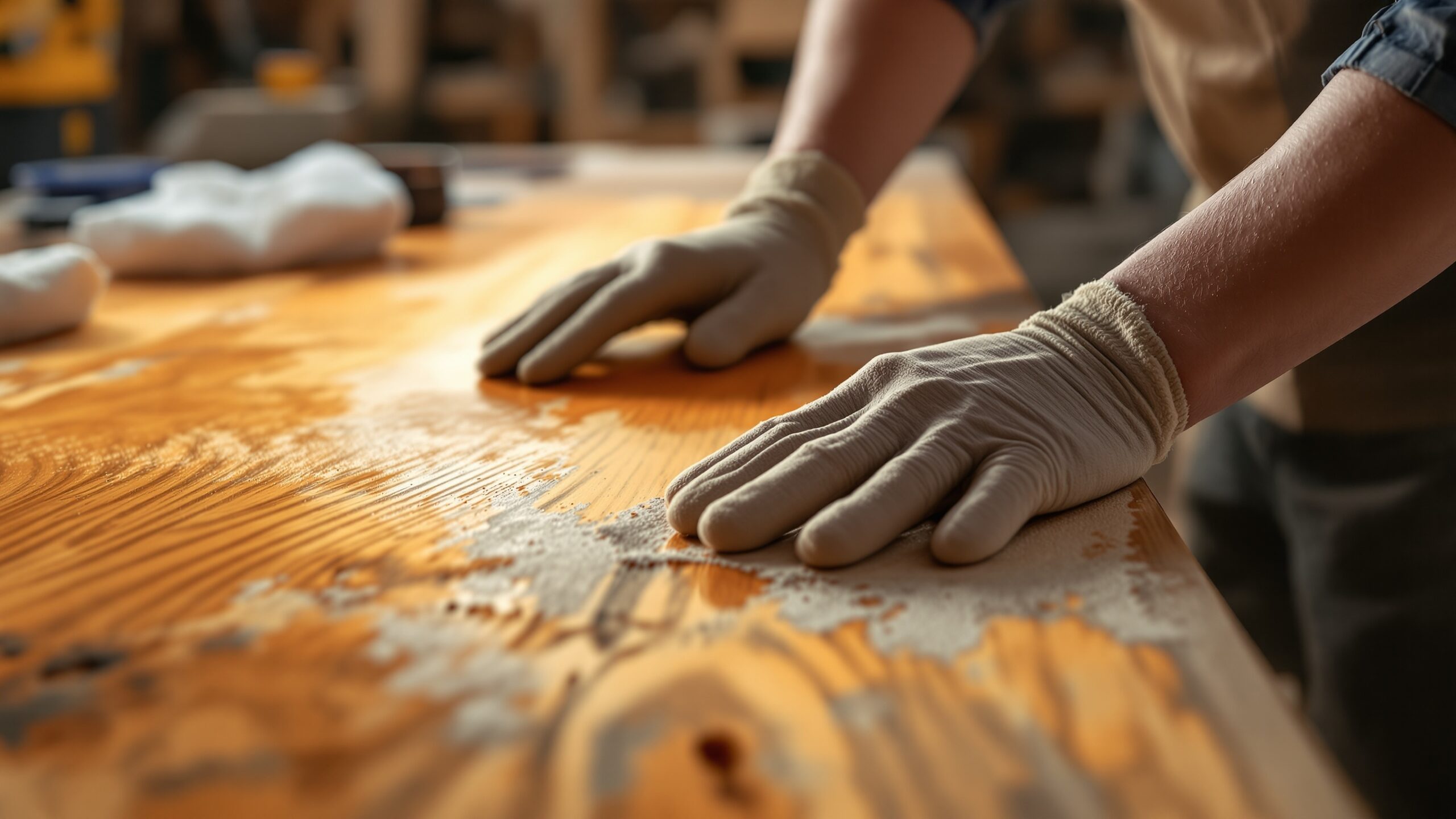
Artistic finishes are where raw material becomes personality—where wood, metal, plaster, and paint shift from “built” to “beautiful.” On Drill and Skills, this category is your gateway to the techniques that add depth, drama, and durability to projects of every size, from furniture refreshes to feature walls and custom décor. Explore the craft behind stains, washes, glazing, distressing, burnishing, and protective topcoats, along with modern looks like limewash, Venetian plaster, and subtle metallic accents. You’ll learn how light changes sheen, how prep work makes or breaks a surface, and how to test on sample boards before committing to a final piece. We’ll also break down the tools that matter—brushes, sprayers, rags, abrasives, and sealers—so your finish looks intentional, not accidental. Whether you’re chasing a museum-smooth polish or a rugged, timeworn patina, these articles help you control color, texture, and tone with confidence. Step in, experiment boldly, and turn “good enough” into a signature look.
A: Not always—often a clean, scuff-sand and proper primer is enough.
A: Matte hides flaws; satin is more washable and slightly brighter.
A: Uneven absorption—use conditioner or a sealing step before staining.
A: Follow product directions; temperature and humidity can extend dry time.
A: Only if compatible—test first and follow recoat windows.
A: Make sample boards and control dust before your final coat.
A: Let cure, scuff sand smooth, clean thoroughly, then recoat.
A: Not always—spraying is fast, brushing can be excellent with good technique.
A: Sometimes—high-wear surfaces benefit from added protection.
A: Store in a sealed metal container or follow local disposal guidance.