

Saws & Cutting Tools on Drill and Skills is where raw stock turns into real structure—clean edges, perfect angles, and cuts that fit the first time. Whether you’re breaking down sheet goods, trimming boards for a tight reveal, shaping curves for a custom look, or slicing metal for a rugged shop build, the right cutting tool changes everything. This category gathers articles that demystify the full lineup: circular saws, miter saws, jigsaws, reciprocating saws, hand saws, multi-tools, and the blade choices that make them shine. You’ll learn how to match tooth count and blade style to the material, set up straight guides and repeatable stops, and avoid the common headaches—tear-out, burning, bind, kickback, and crooked cuts. We’ll also cover smart shop habits like clamping, support, dust control, and safe body positioning so your work stays smooth and confident. From quick cut fixes to deeper technique breakdowns, Saws & Cutting Tools helps you cut cleaner, build faster, and finish sharper.
A: A circular saw covers the widest range of basic DIY cuts.
A: Lack of a guide, poor support, or rushing the feed rate.
A: Use a fine blade, tape the line, and support the face fibers.
A: Only with the correct blade and technique—never force it.
A: The work isn’t supported and the kerf pinches as it closes.
A: Not required, but tracks/straightedges dramatically improve accuracy.
A: Dull blade, wrong blade, or slow feed with too much friction.
A: Use a stop block or measured jig instead of re-measuring each piece.
A: It can be, but it’s easier to drift—use a guide and the right blade.
A: Clamp and support your work so your hands never fight the tool.
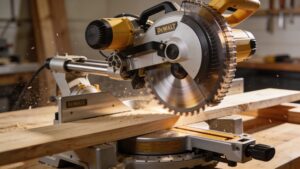
Best Miter Saws for Woodworking: Expert Picks for Every Budget
From budget-friendly starters to pro-grade precision machines, this guide explores the best miter saws for woodworking. Discover expert picks, must-know features, and how to choose the perfect saw for flawless cuts every time.
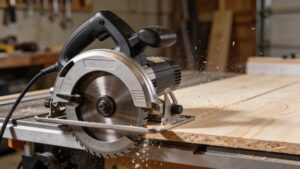
Best Circular Saws in 2026: Top Picks for Power, Precision & Value
Circular saws are the workhorses of cutting. From budget-friendly corded models to cordless jobsite beasts, this guide breaks down the best circular saws in 2026 for clean cuts, strong motors, smooth handling, and real-world value.