
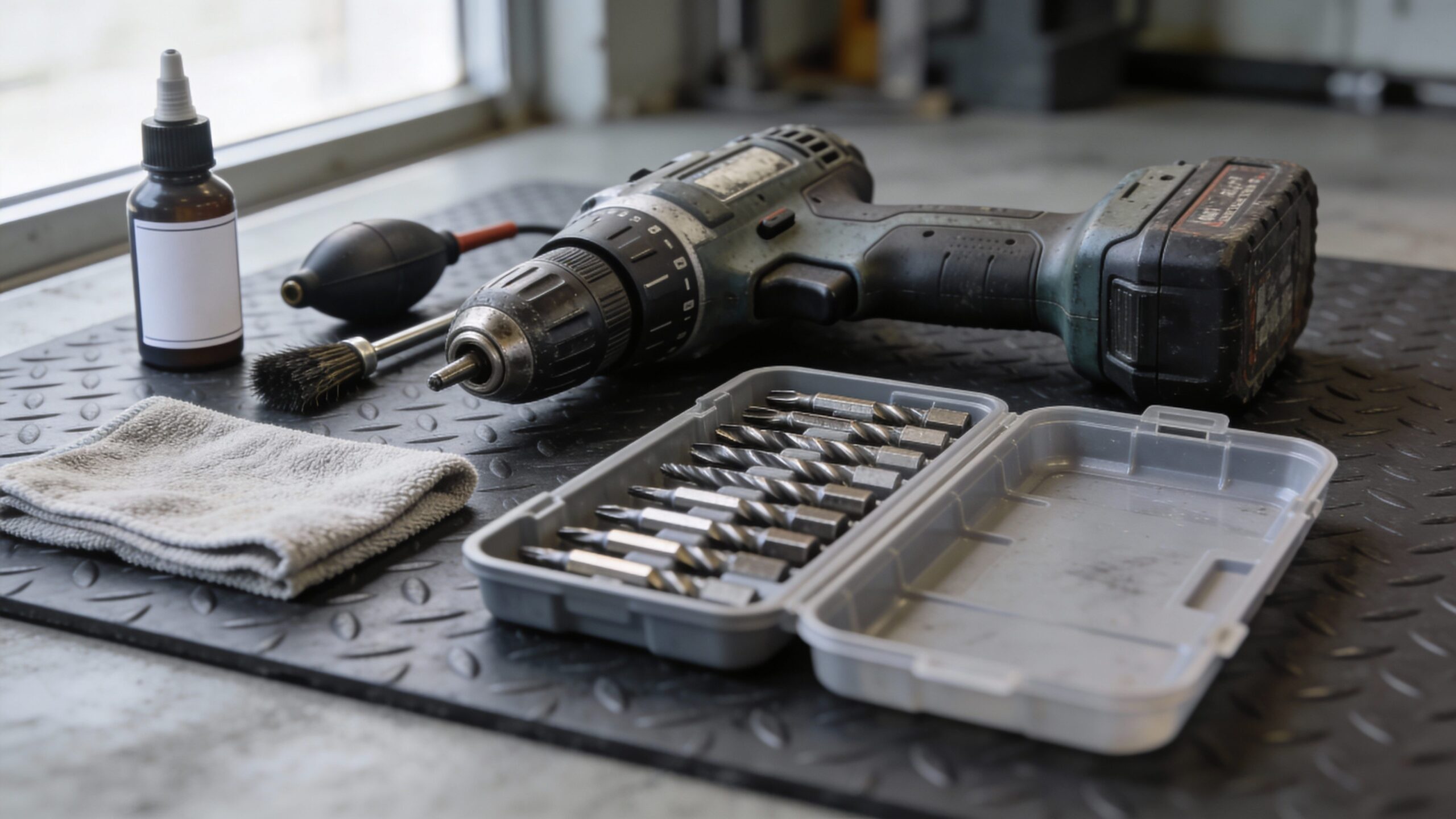
Every great build starts long before the first cut—right at the workbench, with tools that are ready to perform. The Tool Maintenance Tips hub is your backstage pass to longer-lasting drills, sharper blades, smoother bearings, and fewer mid-project surprises. Here you’ll find practical, maker-tested routines that turn “good enough” gear into reliable shop partners: quick cleanups after dusty jobs, smart lubrication habits that prevent squeaks and stalls, storage tricks that stop rust before it starts, and tune-up checks that catch tiny problems early. Whether you’re running a cordless drill daily, relying on hand tools for precision fits, or keeping a small collection of specialty gadgets in rotation, maintenance is the quiet skill that protects your time and your budget. Explore articles that break down what to do, when to do it, and how to do it without overthinking—so every trigger pull feels confident, every edge bites clean, and every project flows from start to finish. Keep your tools proud, and your builds even prouder.
A: Lightly after deep cleaning, or when joints feel dry—avoid over-oiling dusty tools.
A: Keep tools dry, wipe after use, and add a thin protective film for storage.
A: When they burn wood, wander, slip, or need excessive pressure to cut cleanly.
A: Yes—use short bursts, hold the tool so debris exits safely, and wear eye protection.
A: Stop, cool down, clear vents, check the bit, and reduce pressure next pass.
A: For longer storage, many packs do best around mid-charge; keep them cool and dry.
A: Clean pitch first; if it still burns, chatters, or tears fibers, sharpen/replace.
A: Check fasteners, accessories, balance, and wear—vibration often starts with a small looseness.
A: Vents, switches, chucks/arbors, and any sliding rails—those areas affect performance most.
A: Use mild, tool-safe cleaners; avoid harsh solvents on plastics and always wipe fully dry.