

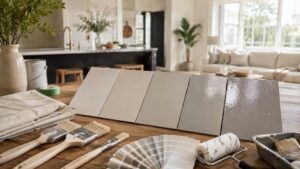
Best Paint Finishes for Every Room: A Complete Homeowner’s Guide
The right paint finish can completely change how a room looks, feels, cleans, and lasts. This complete homeowner’s guide breaks down the best paint finishes for every room, from calm bedrooms and busy kitchens to bathrooms, trim, cabinets, doors, and exterior spaces, so every upgrade looks polished and performs beautifully.

Matte vs Eggshell vs Satin Paint: Which Finish Should You Use?
Matte, eggshell, and satin paint can transform the same color into three very different looks. This guide explains how each finish performs, where it works best, what mistakes to avoid, and how to choose the right sheen for beautiful, durable walls in every room.

How to Choose the Right Paint Sheen for Walls, Trim, Cabinets, and Ceilings
Choosing the perfect paint sheen can dramatically transform your home. Discover which finishes work best for walls, trim, cabinets, and ceilings to achieve professional-quality results that balance beauty, durability, and easy maintenance.
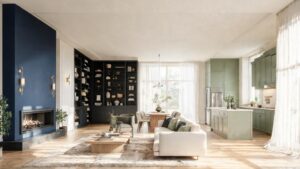
The Best Interior Paint Colors for a Modern Home Upgrade
Transform your home with modern interior paint colors that feel fresh, stylish, and timeless. Explore warm whites, soft greige, sage green, navy, charcoal, taupe, and more designer-inspired shades that can instantly elevate every room.
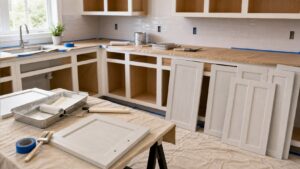
How to Paint Kitchen Cabinets Like a Pro Without Replacing Them
A practical guide to how to paint kitchen cabinets like a pro without replacing them with planning, tools, prep, common mistakes, and homeowner-friendly checks.
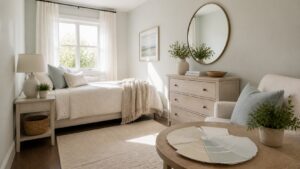
Best Paint Colors to Make a Small Room Look Bigger
A practical guide to best paint colors to make a small room look bigger with planning, tools, prep, common mistakes, and homeowner-friendly checks.
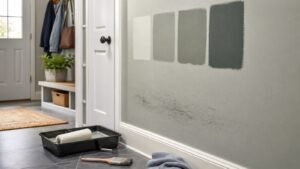
The Most Durable Paint Finishes for High-Traffic Areas
A practical design guide to the most durable paint finishes for high-traffic areas with room-reading tips, common mistakes, and homeowner-friendly choices.
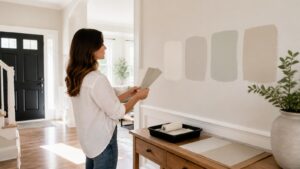
How to Pick Paint Colors That Increase Home Value
A practical design guide to how to pick paint colors that increase home value with room-reading tips, common mistakes, and homeowner-friendly choices.
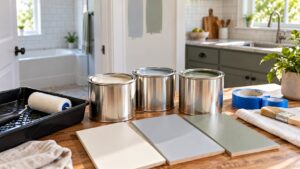
The Best Paint Finish for Bathrooms, Kitchens, and Humid Spaces
A practical homeowner guide to the best paint finish for bathrooms, kitchens, and humid spaces with setup checks, material choices, tool guidance, warning signs, and maintenance-minded finishing advice.
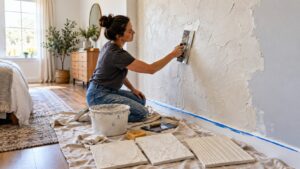
How to Create a Textured Accent Wall Without Hiring a Contractor
A practical homeowner guide to how to create a textured accent wall without hiring a contractor with setup checks, material choices, tool guidance, warning signs, and maintenance-minded finishing advice.