
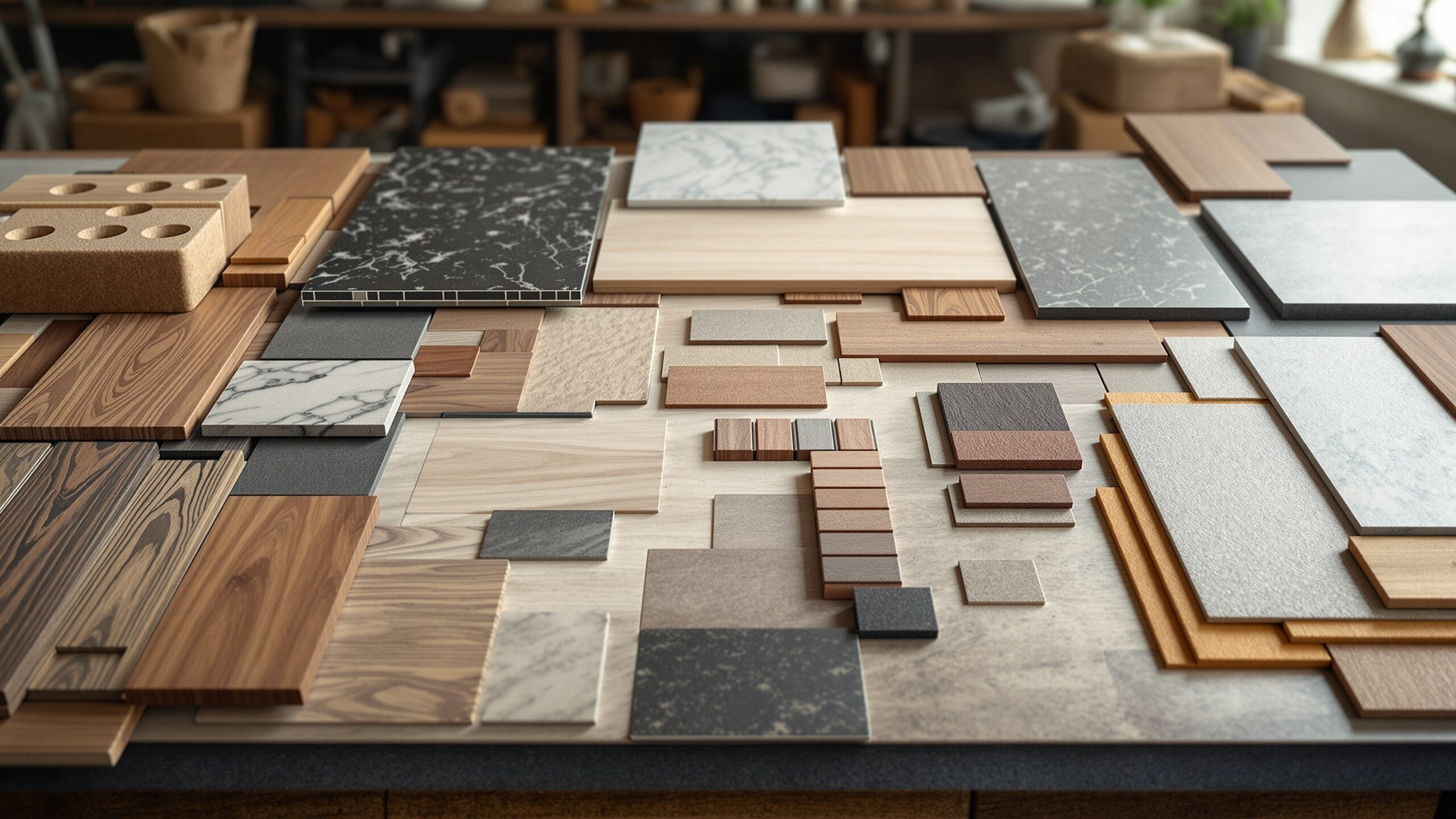
Welcome to MaterialsPedia — where every surface tells a story and every substance reveals a secret. This is your deep-dive destination for the hidden science, artistry, and engineering behind the materials that shape our world. From the grain of reclaimed oak to the gleam of brushed aluminum, from sustainable composites to centuries-old masonry, MaterialsPedia explores what makes materials strong, beautiful, and enduring. Whether you’re restoring an old home, crafting a custom piece, or planning a full renovation, knowing your materials is half the mastery. Here, you’ll uncover insights on textures, finishes, durability, and compatibility—plus expert comparisons that help you choose the right foundation for every project. It’s not just about what things are made of—it’s about how they live, age, and transform with your hands and vision. Step inside and discover the essential knowledge that connects craftsmanship, design, and the timeless language of materials.
A: Engineered handles movement better over slabs/radiant heat; solid allows future refinish.
A: Yes—use appropriate weight-rated substrate, leveling clips, and non-sag mortar.
A: Use either a behind-board barrier or a surface membrane—never both.
A: Breathable siloxane; avoid acrylic films that trap moisture/frost damage.
A: Typically 28 days; check moisture (RH/CM) and use uncoupling membranes if marginal.
A: Yes—granite and quartzite are tough; marble etches—use cutting boards and neutral pH cleaners.
A: Aluminum and stainless resist corrosion; coat carbon steel or use weathering steel appropriately.
A: Yes—use primer, lath/mesh if specified, and control deflection.
A: Modern waterborne polys and hard-wax oils perform well with proper prep and re-coat schedules.
A: Use color charts, make sample boards, and note that sealers can deepen tone slightly.