


Modern Lighting Design Trends You Need to Know
Modern lighting is redefining how spaces feel, function, and inspire. From sculptural fixtures to smart systems and layered illumination, today’s trends go far beyond simple brightness. Discover how the latest lighting design ideas can elevate your home with style, efficiency, and atmosphere.

Best Lighting Ideas for Every Room in Your Home (Complete Guide)
Great lighting can completely change the way your home looks and feels. From cozy bedrooms to hardworking kitchens, the right lighting ideas bring warmth, function, and style to every room.

How to Choose the Perfect Lighting for Any Space
Choose better lighting for every room by balancing task, ambient, and accent light with bulb color, fixture scale, controls, and placement.

LED vs Incandescent vs CFL: Which Lighting Is Best?
Compare LED, incandescent, and CFL bulbs for energy use, color quality, heat, dimming, cost, lifespan, comfort, and room-by-room choices.
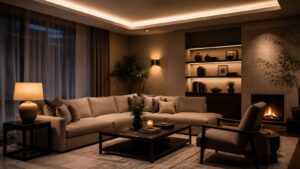
Layered Lighting Explained: How to Design Like a Pro
A practical design guide to layered lighting explained: how to design like a pro with room-reading tips, common mistakes, and homeowner-friendly choices.
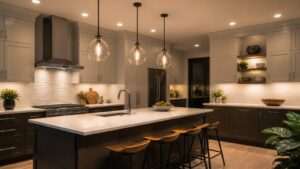
Kitchen Lighting Ideas That Instantly Upgrade Your Space
A practical design guide to kitchen lighting ideas that instantly upgrade your space with room-reading tips, common mistakes, and homeowner-friendly choices.
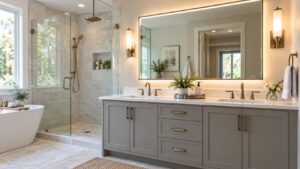
Bathroom Lighting Guide: Bright, Functional, and Flattering
A practical homeowner guide to bathroom lighting guide: bright, functional, and flattering with setup checks, material choices, tool guidance, warning signs, and maintenance-minded finishing advice.

Smart Lighting Systems: Complete Beginner’s Guide
A practical homeowner guide to smart lighting systems: complete beginner’s guide with setup checks, material choices, tool guidance, warning signs, and maintenance-minded finishing advice.