
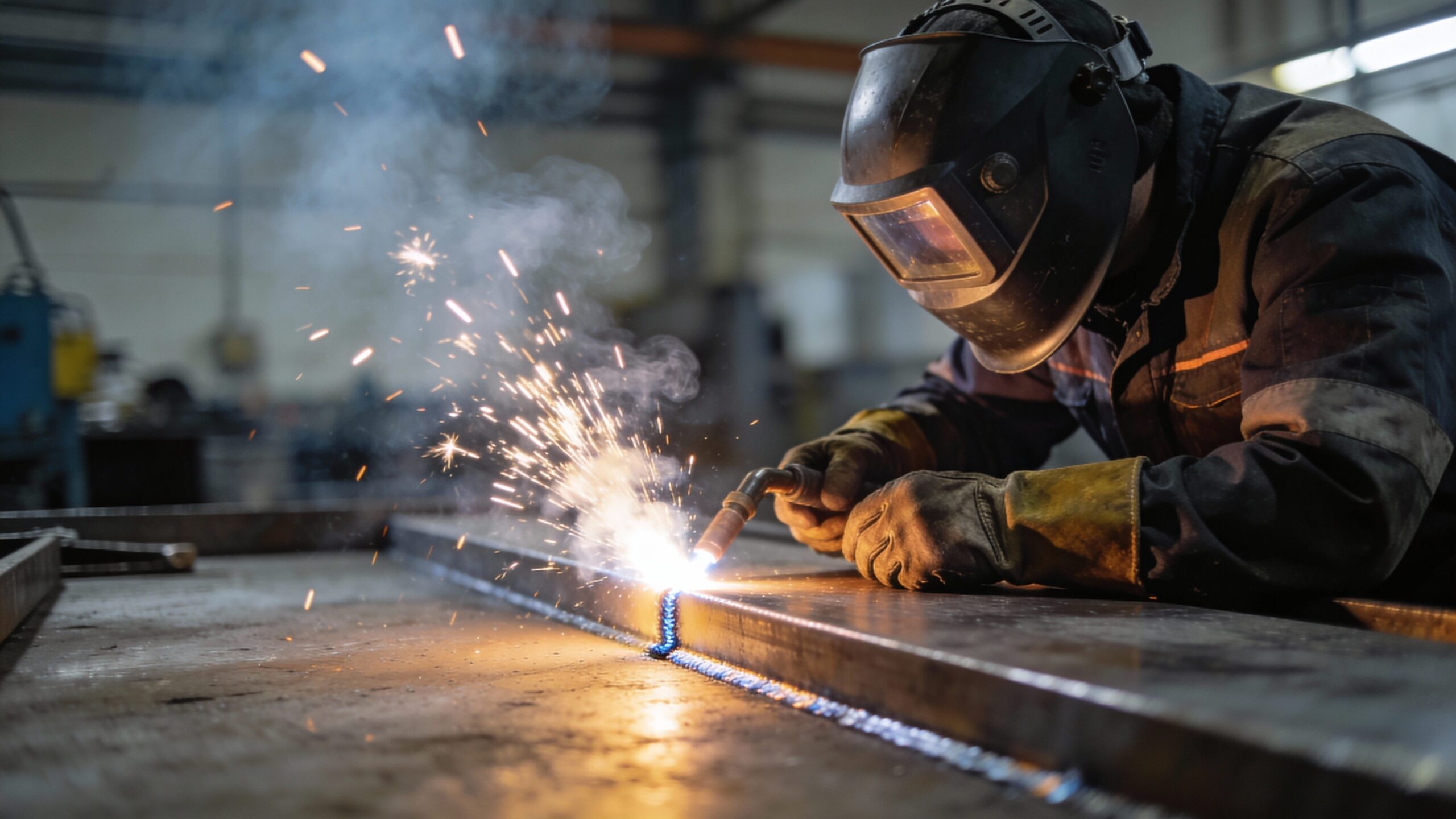
Welding is the moment metal stops being parts and becomes a single idea. Welding & Fabrication Skills is your entry point into sparks, strength, and precision—where clean prep, steady hands, and smart planning turn raw stock into working tools, frames, brackets, and repairs that actually last. This collection breaks down the fundamentals that matter: how to think in joints, how to fit pieces so they want to stay put, and how to build a workflow that keeps your welds consistent and your projects square. You’ll explore the “why” behind bead shape, heat control, and penetration, plus the practical habits that make fabrication feel calm instead of chaotic—layout lines, tack strategy, clamping, and sequence. Whether you’re building shop fixtures, customizing gear, or learning the backbone skills of makers and trades, welding rewards patience and preparation with results you can trust. Start here, and you’ll learn to see steel like a blueprint—then bring it to life with clean lines, solid joints, and confidence.
A: MIG is often the quickest to learn for basic fabrication.
A: Yes—contaminants cause weak welds and porosity.
A: Heat shrinkage pulls the metal; sequencing and clamping help.
A: Keep travel speed steady and watch the puddle edges.
A: Yes—lower heat, faster travel, and short stitch welds.
A: Smooth bead with fused edges and minimal defects.
A: At minimum, move fumes away from your breathing zone.
A: Only when needed; grinding can reduce strength if overdone.
A: Square, clamp, tack, re-check, then weld.
A: Run beads on scrap, then test by bending or hammering.