
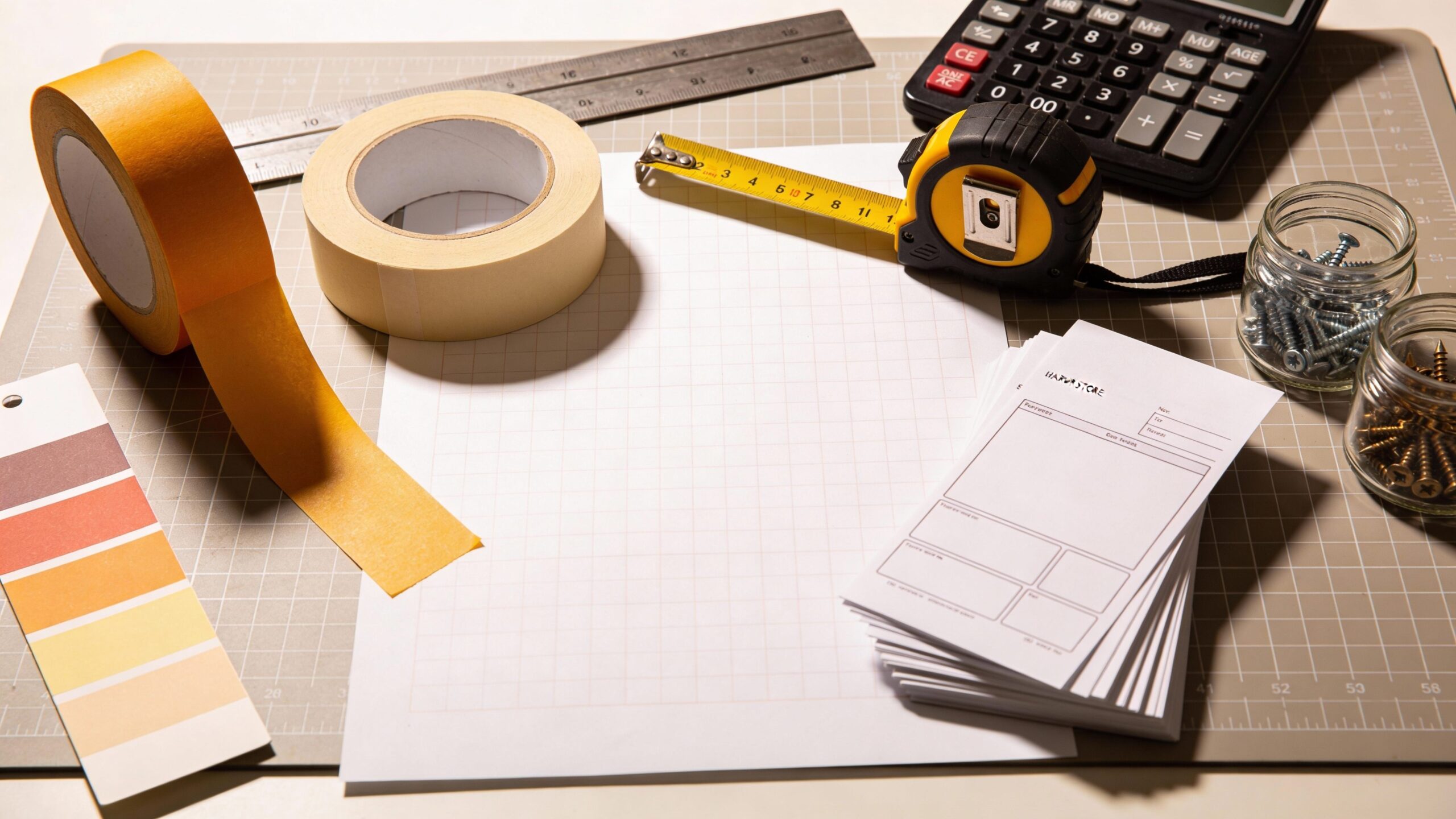
Big DIY wins don’t start with a drill—they start with a plan. Project Planning & Budgeting is where ideas turn into realistic timelines, smart material lists, and costs that won’t sneak up on you halfway through the build. Whether you’re mapping a weekend repair, pricing out a full room makeover, or planning a multi-phase workshop upgrade, this hub helps you think like a pro before you ever pick up a tool. You’ll learn how to break projects into clear steps, choose the right level of finish for your goals, and build a budget that covers the obvious items—and the “gotchas” that sink momentum. From estimating materials and comparing options to scheduling deliverables and tracking spend, these articles keep your build focused, efficient, and satisfying. Plan with confidence, buy with intention, and finish with fewer surprises. Because the best projects aren’t just well built—they’re well planned, on time, and on budget, with results you’re proud to show off.
A: Typically 10–15%; more for older homes or first-time projects.
A: Measure, create a takeoff list, then add a waste factor based on cut complexity.
A: Rent for one-off specialty tools; buy if you’ll reuse it or rentals add up quickly.
A: Lock Phase 1 goals, keep a separate “Phase 2” wish list, and review only at checkpoints.
A: List steps, add drying/curing, include delivery time, then add buffer for learning and delays.
A: Buy long-lead items early; buy consumables closer to use to avoid returns and damage.
A: Prep supplies, fasteners, blades/bits, primer, protection materials, and disposal/cleanup.
A: Use a receipt envelope by phase and record totals weekly in a notes app.
A: A planned pause to confirm budget/time before committing to the next phase.
A: Compare good/better/best options, standardize hardware, and spend on prep and structure first.