Why Lighting Matters More Than Most People Realize
Lighting is one of the most powerful design tools in any home, yet it is often treated like an afterthought. A room can have beautiful furniture, quality finishes, and a carefully chosen color palette, but if the lighting is poor, the entire space can feel flat, harsh, or uncomfortable. On the other hand, the right lighting can make an average room feel polished, welcoming, and far more functional. It shapes how colors appear, how textures are noticed, and how people experience a space from morning to night. The best lighting ideas are never just about brightness. They are about balance, purpose, and atmosphere. Each room in a home serves a different role, so its lighting should support how that space is used. A kitchen needs clarity and precision, a bedroom benefits from softness and calm, and an entryway should feel bright and inviting. When lighting is planned with intention, every room can work better and look better at the same time.
The Three Layers Every Well-Lit Room Needs
Before exploring lighting ideas room by room, it helps to understand the foundation of strong lighting design. Most successful interiors use three key layers: ambient lighting, task lighting, and accent lighting. Ambient lighting provides the general glow of the room and usually comes from ceiling fixtures, recessed lights, or other broad sources that light the overall space. It is the base layer that makes a room feel usable and open.
Task lighting focuses on specific activities like reading, cooking, grooming, or working. Accent lighting adds drama and depth by highlighting features such as artwork, shelving, architectural details, or textured surfaces. The best rooms rarely rely on one fixture alone. Instead, they combine these layers so the lighting can adapt throughout the day. This layered approach helps every room feel more comfortable, visually interesting, and practical.
Entryway Lighting Ideas That Set the Tone
The entryway introduces the home, so its lighting should feel intentional from the moment someone steps inside. A central ceiling fixture, whether it is a pendant, flush mount, or small chandelier, helps create a clear focal point while providing enough brightness for everyday use. In larger foyers, a statement fixture can add drama and establish the style of the entire home. Beyond the main overhead light, entryways benefit from supportive lighting that adds warmth and definition. Wall sconces can frame a mirror or console table, while accent lighting can draw attention to artwork or architectural features. If the entry lacks natural light, warm bulbs and layered illumination can keep it from feeling cold or narrow. A well-lit entryway should feel open, clean, and welcoming without being overly bright or clinical.
Living Room Lighting Ideas for Comfort and Flexibility
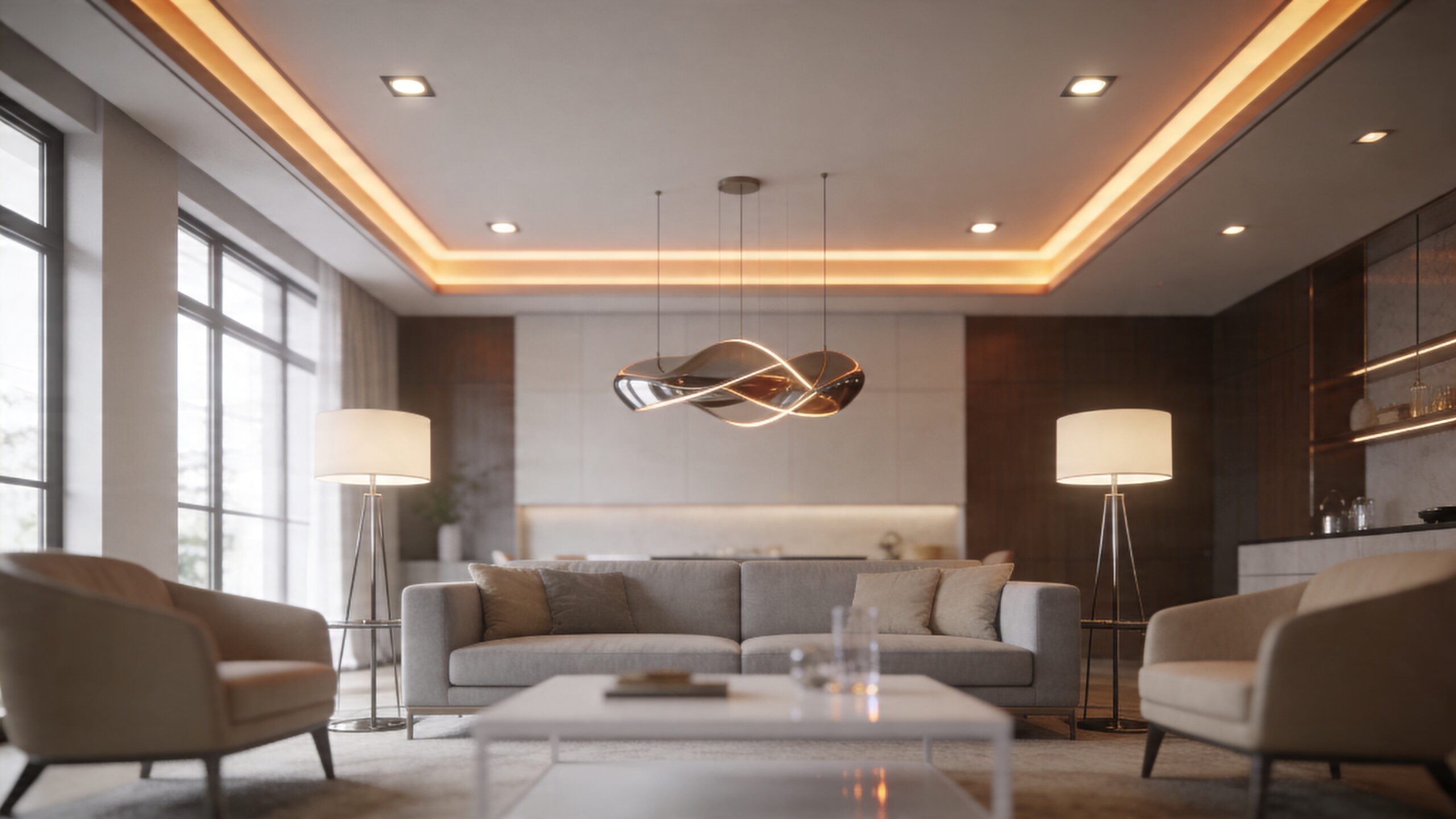
The living room is one of the most versatile spaces in the home, so its lighting should be equally adaptable. This is where people gather, relax, watch television, entertain guests, and sometimes even work, which means a single overhead fixture is rarely enough. A combination of ceiling lighting, table lamps, floor lamps, and accent lighting creates the flexibility needed for different moods and functions.
Recessed lights can provide a soft overall glow, while table lamps add intimacy and warmth near seating areas. Floor lamps are especially useful for corners that need extra light without the need for rewiring. Accent lighting on built-in shelves, artwork, or a fireplace wall can make the room feel more layered and complete. Dimmers are especially valuable in living rooms because they allow the same space to shift from bright daytime use to a softer evening atmosphere with ease.
Kitchen Lighting Ideas That Blend Beauty and Performance
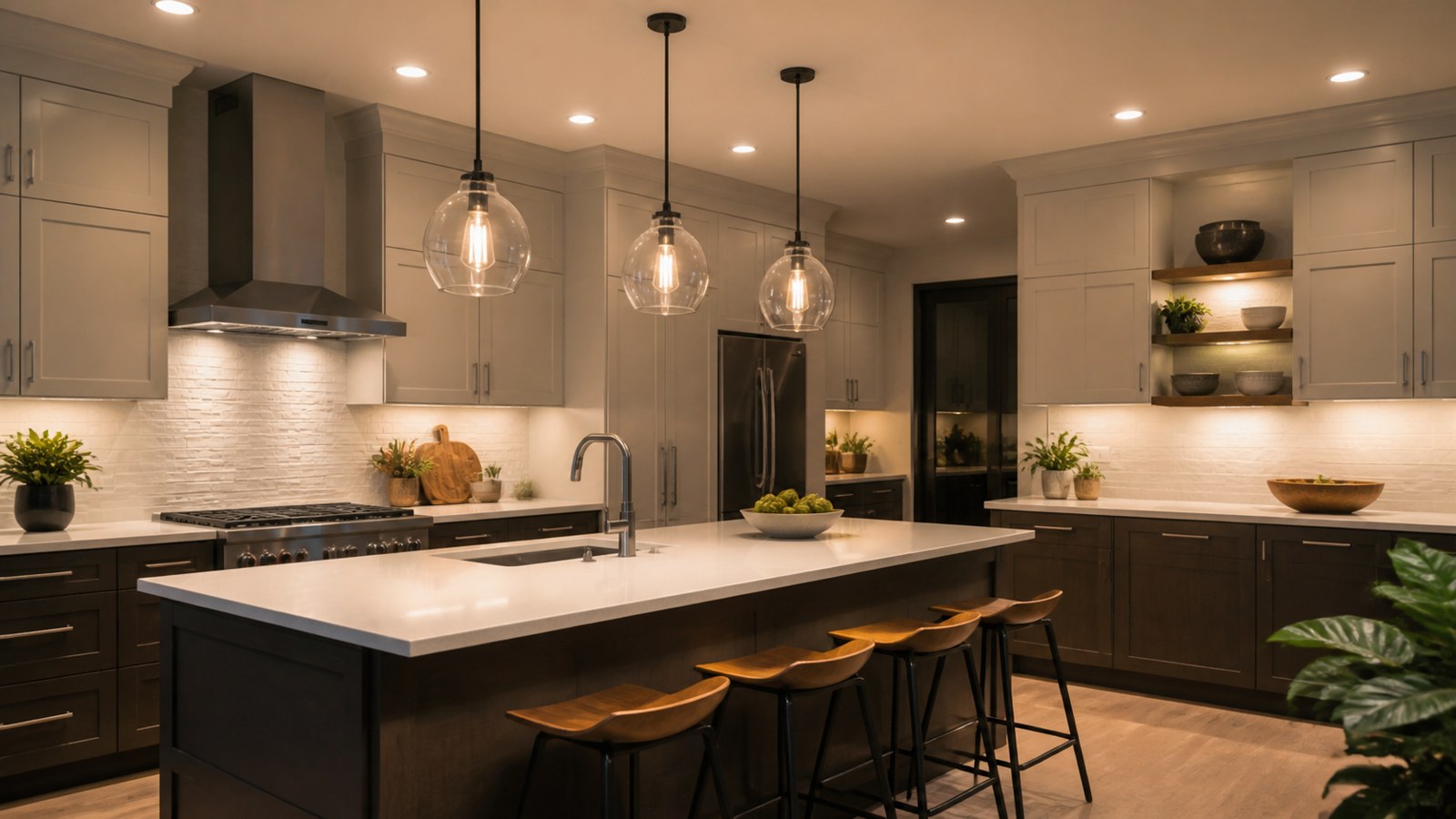
The kitchen demands some of the most practical lighting in the home, but that does not mean it has to feel purely functional. Good kitchen lighting should provide bright, even illumination for food preparation while also making the room feel attractive and comfortable. Overhead ambient lighting is essential, but it should be paired with task lighting in the areas where work actually happens. Pendant lights over an island remain one of the most popular kitchen lighting ideas because they combine style and purpose. Under-cabinet lighting is another standout solution, bringing light directly to countertops where chopping, mixing, and prepping take place. Recessed ceiling lights can fill in the rest of the room without cluttering the design. In kitchens that open into dining or living areas, layered lighting helps the space feel cohesive while still addressing the demands of cooking and cleanup.
Dining Room Lighting Ideas That Create Atmosphere
The dining room is where lighting often becomes a centerpiece. A chandelier or pendant fixture placed above the table can define the room and anchor the entire design. Scale is important here, because a fixture that is too small can feel disconnected while one that is too large can overpower the space. The ideal dining room light should feel balanced with the table and proportionate to the room around it.
What makes dining room lighting especially important is its role in shaping mood. Meals, conversations, holidays, and gatherings all feel more memorable under warm, flattering light. Dimmers are particularly useful in this room because they allow for a brighter setting during casual meals and a softer glow for entertaining. Wall sconces or accent lighting nearby can make the room feel more finished and prevent the table fixture from carrying the full visual load alone.
Bedroom Lighting Ideas for a Calmer Retreat
Bedrooms should feel restful, personal, and comfortable, and lighting plays a major role in creating that atmosphere. Harsh overhead lighting tends to feel out of place in a bedroom, especially at night, so softer layers are usually more effective. Ceiling fixtures can still provide necessary general lighting, but they work best when paired with lamps, sconces, or other more intimate sources. Bedside lighting is one of the most important elements in the room. Table lamps offer a classic look and are easy to update, while wall-mounted sconces save space and add a more custom appearance. Soft, warm bulbs help the room feel relaxing rather than overstimulating. In larger bedrooms, accent lighting on a dresser, reading chair, or architectural detail can add extra dimension. A well-lit bedroom should feel gentle and flexible, supporting both daily routines and quiet evenings.
Bathroom Lighting Ideas That Flatter and Function
Bathroom lighting has to balance practicality with comfort. It needs to be bright enough for grooming, shaving, and makeup application, but it should also avoid creating harsh shadows or an overly sterile feel. The most effective bathroom lighting usually combines overhead ambient light with carefully placed vanity lighting around the mirror.
Fixtures mounted at eye level on either side of a mirror often provide the most flattering and functional illumination because they reduce shadows on the face. Overhead lighting above a mirror can work too, but it is often best used as part of a broader layered setup rather than the only source. In larger bathrooms, separate lighting zones can improve both usability and atmosphere. A brighter vanity area combined with softer lighting near a tub or shower helps the room feel more like a retreat while still meeting daily needs.
Home Office Lighting Ideas for Focus and Productivity
A home office needs lighting that supports concentration without causing eye strain. Natural light is ideal when available, but it should be managed carefully to avoid glare on screens. A ceiling light can provide a good base level of brightness, but task lighting is especially important in office settings because work surfaces need direct, controlled illumination. Desk lamps remain one of the best lighting ideas for home offices because they can be positioned precisely where needed. Adjustable fixtures are especially useful for reading, writing, or detail work. The room should feel bright enough to maintain energy during the day, but not so intense that it becomes tiring over time. A well-lit office blends practical performance with visual comfort, helping the space feel both professional and inviting.
Hallway and Staircase Lighting Ideas That Improve Flow
Hallways and staircases are often overlooked, yet they benefit greatly from thoughtful lighting. Because these spaces connect the rest of the home, their lighting should feel continuous and supportive rather than dim or forgotten. Ceiling-mounted fixtures, recessed lights, or evenly spaced sconces can help create a clear path while maintaining the style of the surrounding rooms.
Lighting in these areas is not just decorative; it also supports safety and comfort. Staircases in particular need enough illumination to clearly define each step and landing. Wall sconces can add elegance to long hallways while also softening what might otherwise feel like a narrow or transitional space. With the right fixtures, these in-between areas can become part of the home’s design story rather than just pass-through zones.
Lighting Ideas for Kids’ Rooms and Guest Rooms
Kids’ rooms and guest rooms work best with flexible lighting that can adapt to changing needs. In a child’s room, lighting should support sleep, play, reading, and daily routines without feeling too harsh or complicated. A central ceiling fixture provides general light, while bedside lamps or wall sconces can create a softer evening environment. In younger children’s rooms, gentle night lighting can also add comfort without disturbing sleep. Guest rooms benefit from a similarly balanced approach. Visitors appreciate lighting that is easy to understand and pleasant to use, especially if they are unfamiliar with the room. Bedside lighting, an overhead fixture, and perhaps a small accent lamp can make the space feel thoughtful and complete. The goal in both types of rooms is to create a welcoming atmosphere that is functional without being overly complex.
Basement, Laundry Room, and Utility Space Lighting Ideas
Basements, laundry rooms, mudrooms, and other utility spaces deserve better lighting than they often receive. These rooms are usually highly functional, so they need reliable brightness that makes chores easier and improves visibility. Because some of these spaces have limited natural light, a strong overhead layer is especially important.
That said, practical does not have to mean unattractive. Even a laundry room can benefit from more polished fixtures, warm white LEDs, and careful placement that reduces shadows over folding or sorting surfaces. Basements often feel more inviting when lighting is layered rather than limited to a few harsh ceiling fixtures. In any utility space, better lighting makes the room feel cleaner, safer, and more usable.
Outdoor Lighting Ideas That Extend Your Home
Outdoor lighting is just as important as interior lighting because it affects curb appeal, safety, and how exterior spaces are experienced after dark. The best outdoor lighting ideas combine function with atmosphere. Entry lights should clearly illuminate doors and pathways, while landscape lighting can add depth and character to gardens, patios, and architectural features. Wall lanterns, pathway lights, step lights, and overhead fixtures on porches or covered patios all serve different purposes. The key is to avoid making outdoor spaces too bright or overly harsh. A layered approach works outside just as well as it does indoors. Soft ambient lighting mixed with focused task and accent lighting creates an outdoor environment that feels welcoming, useful, and visually polished.
Choosing the Right Bulbs, Brightness, and Color Temperature
Even the best fixture will fall short if the bulb is not right for the room. Brightness, color temperature, and beam spread all affect how lighting feels in daily life. Warm white light tends to be the most inviting in living spaces and bedrooms, while slightly cooler light can work well in kitchens, bathrooms, and offices where clarity matters more.
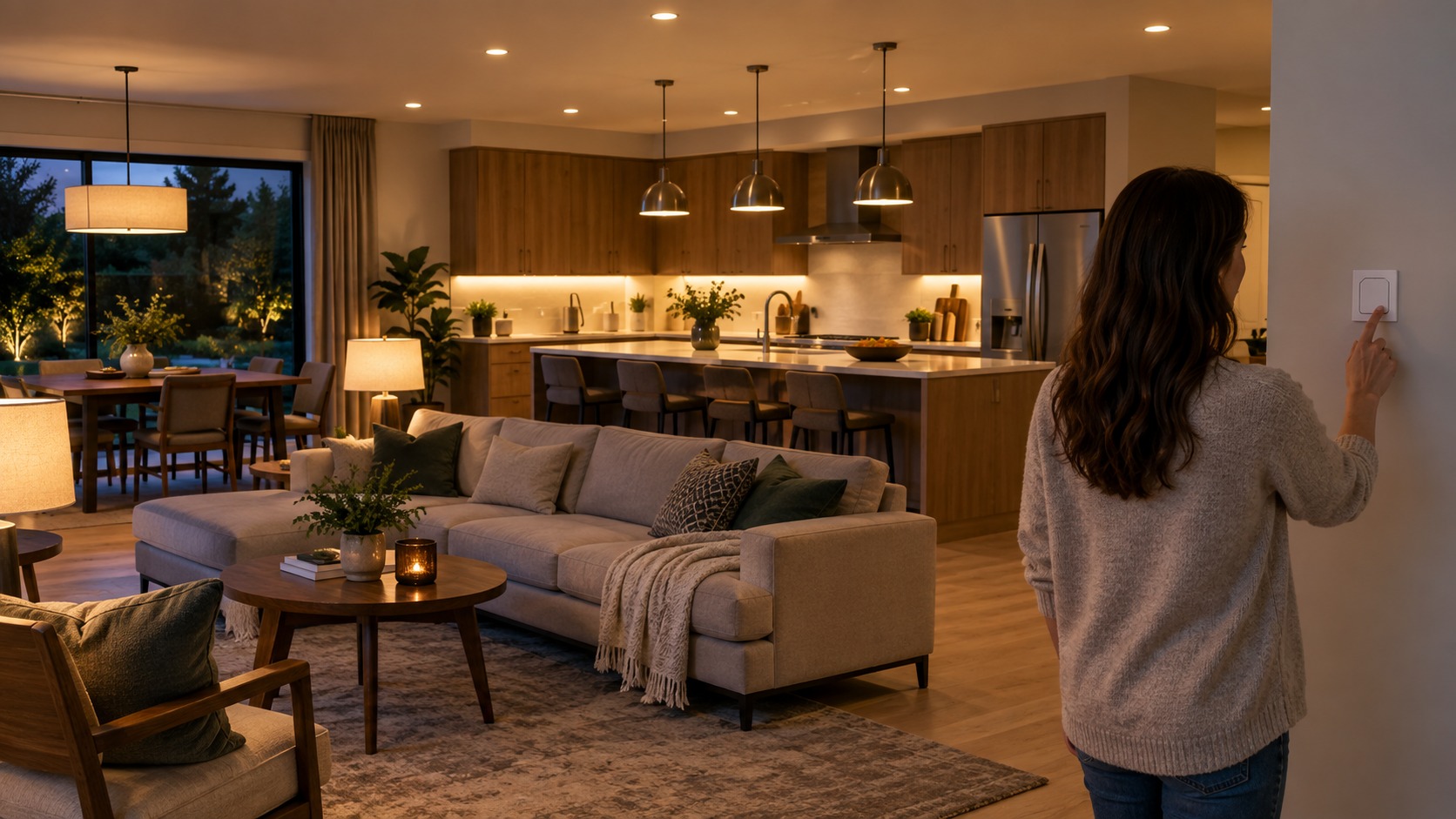
LED bulbs are usually the best choice for modern homes because they are efficient, long-lasting, and widely available in many color temperatures and brightness levels. It also helps to think about control. Dimmable bulbs and compatible dimmer switches give homeowners far more flexibility, allowing one room to serve different purposes without needing multiple fixture changes. The right bulb choice can make a dramatic difference in comfort and overall design success.
How to Pull the Whole Home Together
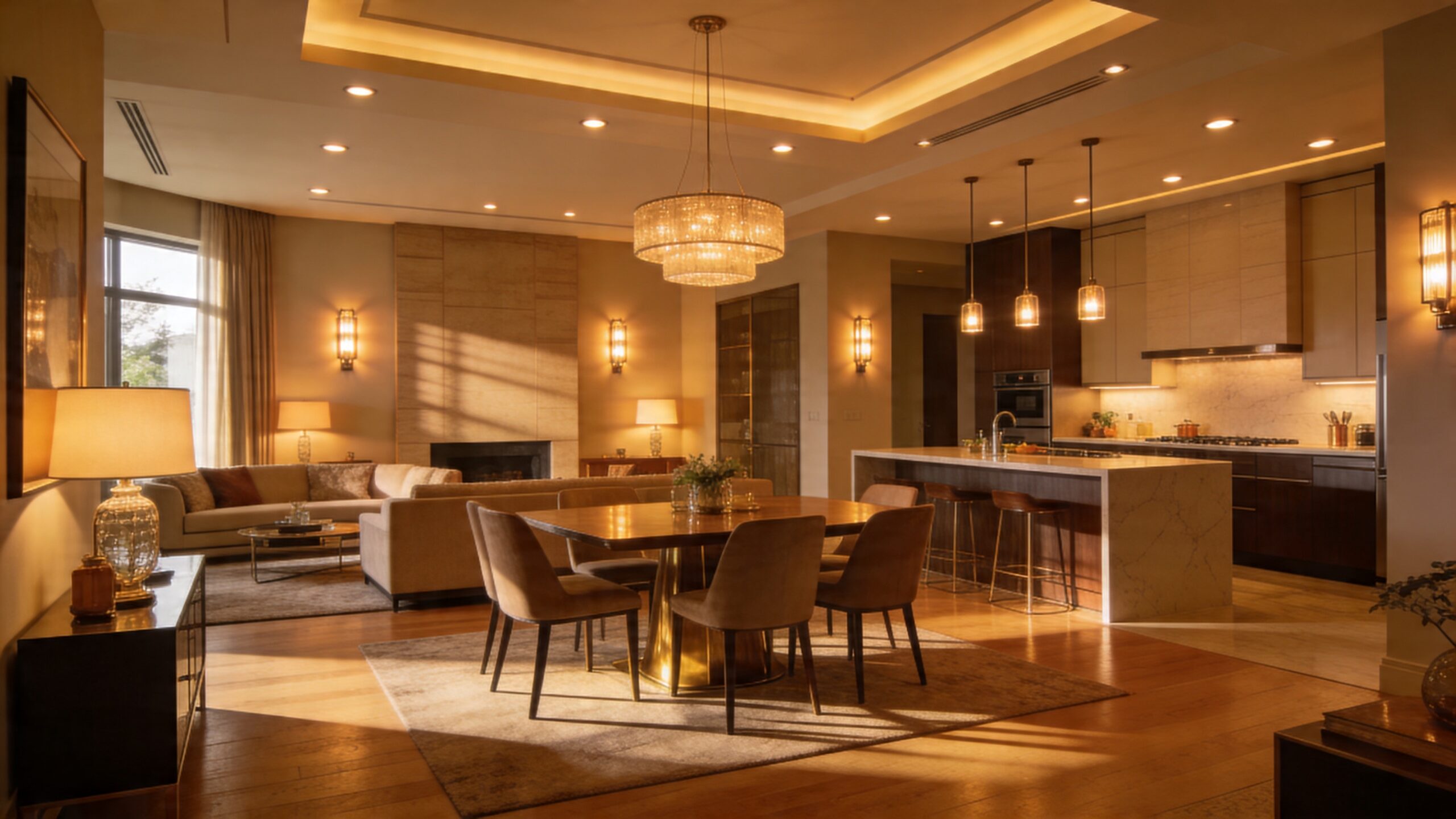
One of the most effective ways to elevate a home is to create a sense of lighting consistency from room to room. That does not mean every fixture needs to match exactly, but the overall approach should feel connected. Repeating certain finishes, shapes, or tones can help the home feel more cohesive without becoming repetitive. A black metal sconce in one room, a matching pendant in another, and a similar chandelier elsewhere can create rhythm throughout the house.
Consistency also matters in how light behaves. A home feels more polished when rooms flow naturally from one another in terms of brightness, warmth, and mood. Strong lighting design is not just about isolated fixtures. It is about the relationship between rooms and the way the home functions as a whole. When every room has lighting that fits its purpose while contributing to a broader visual story, the entire house feels more intentional.
Final Thoughts on the Best Lighting Ideas for Every Room
The best lighting ideas for every room in your home begin with understanding how each space is used and how you want it to feel. Good lighting is never only decorative, and it is never only practical. It succeeds when it combines style, comfort, and performance in a way that supports daily life. A layered approach, thoughtful fixture choices, and the right color temperature can transform even ordinary rooms into spaces that feel complete.
Whether you are updating one room or rethinking your entire home, lighting is one of the smartest places to focus your attention. It influences mood, highlights design, improves function, and adds a sense of warmth that furniture and finishes alone cannot achieve. When done well, lighting brings the whole home to life.