Why Circular Saws Still Rule the Workshop
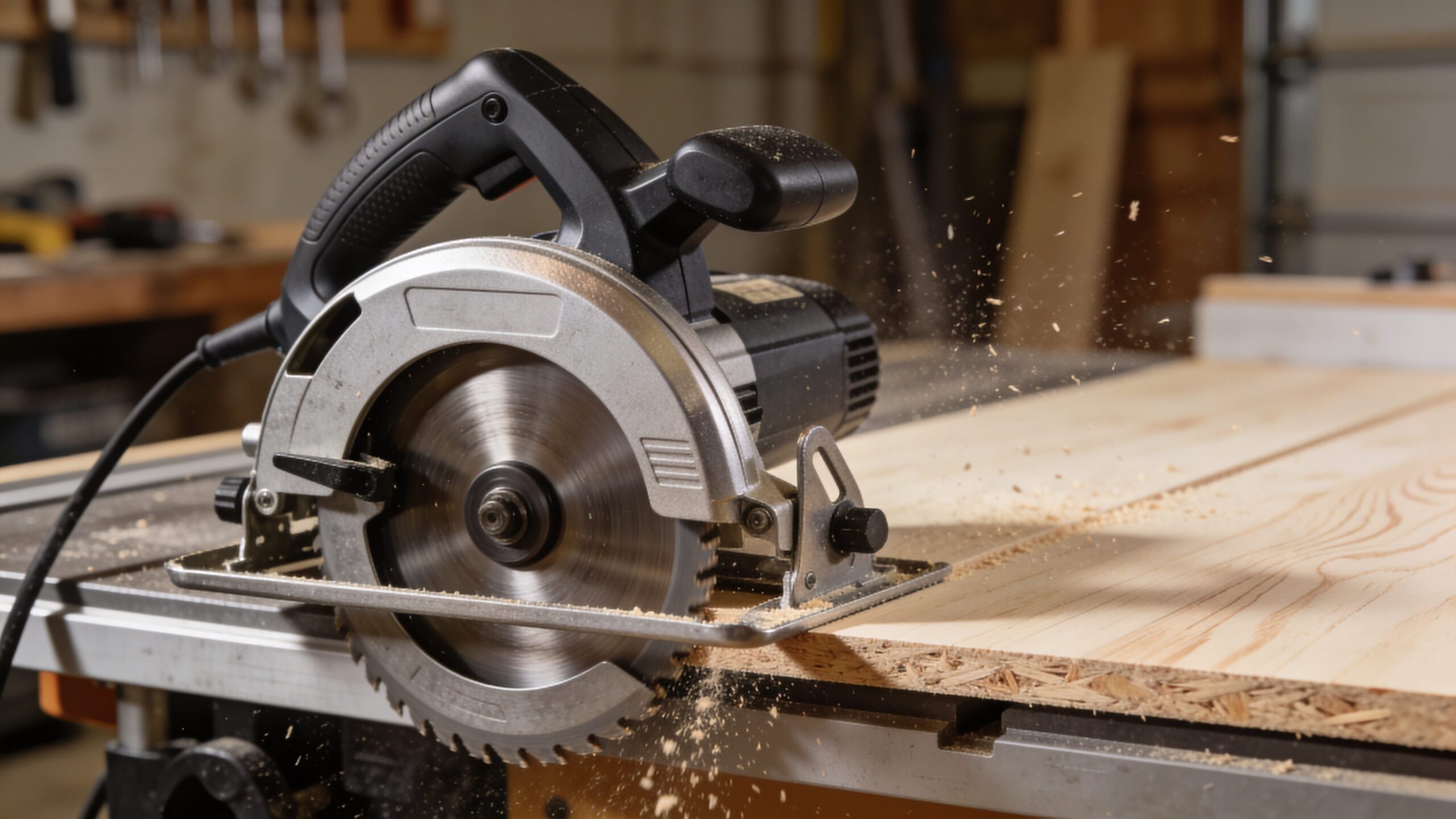
A circular saw is one of the most important power tools any DIYer, contractor, carpenter, or woodworking hobbyist can own. It is fast, portable, powerful, and capable of handling everything from plywood breakdowns to framing lumber, deck boards, shelving panels, subfloor cuts, and rough construction work. While table saws and miter saws dominate fixed-shop precision, the circular saw wins when you need mobility and cutting speed. In 2026, the best circular saws are better than ever. Cordless models have become more powerful, corded saws remain dependable and affordable, and compact designs now give homeowners more control in tight spaces. Recent expert testing still highlights familiar leaders, with Popular Mechanics naming the Makita 5377 Magnesium Hypoid Saw as best overall and the SKIL 15-Amp Corded Circular Saw as best value, while TechGearLab selected the Skil 5280-01 as its favorite for most home and DIY users.
Best Overall Circular Saw for 2026
For the best all-around circular saw, look for a model that blends power, durability, cutting accuracy, and comfortable handling. A great overall saw should feel controlled in the hand, track smoothly through sheet goods, and have enough motor strength to handle dense lumber without bogging down.
The best overall choice for many users is a high-quality 7-1/4-inch saw with a strong motor, durable base plate, clear sightline, and smooth depth and bevel adjustments. Magnesium components are especially appealing because they reduce weight without making the tool feel flimsy. For woodworkers, remodelers, and serious DIYers, this category offers the best balance of performance and long-term value.
Best Value Circular Saw
The best value circular saw is not always the cheapest saw. It is the saw that gives you dependable cutting power, safe operation, and solid accuracy without forcing you to pay for features you may not need. For many homeowners and weekend builders, a 15-amp corded circular saw remains one of the smartest buys. Corded saws usually cost less than cordless models because you are not paying for batteries and chargers. They also deliver consistent power as long as you have an outlet nearby. If you mostly work in a garage, driveway, basement shop, or backyard workspace, a corded value saw can handle plywood, framing lumber, fence boards, shelves, and basic renovation cuts with confidence.
Best Cordless Circular Saw
Cordless circular saws have become serious contenders. Modern battery platforms now deliver enough power for framing, remodeling, deck building, and sheet-good cutting. The biggest advantage is freedom. You can cut outside, move around a jobsite, work away from outlets, and avoid dragging extension cords across your material.
The best cordless circular saw should have a brushless motor, strong battery compatibility, good runtime, an electric brake, and a comfortable grip. Rear-handle cordless saws are especially popular with framers because they offer excellent leverage and a familiar cutting stance. Popular Mechanics recently praised Milwaukee’s M18 rear-handle circular saw for durability, precision, and handling, showing how far cordless saws have come for demanding work.
Best Corded Circular Saw
A corded circular saw remains the classic choice for raw reliability. If you want strong performance without worrying about battery charge, corded is still hard to beat. Most quality corded circular saws use 15-amp motors, which provide enough muscle for framing lumber, plywood, pressure-treated boards, and general carpentry. Corded saws are especially attractive for budget-conscious buyers. You can often get more cutting power per dollar compared with cordless models. The trade-off is mobility. You need power access, a safe extension cord setup, and more awareness of cord placement while cutting.
Best Circular Saw for Beginners
Beginners should prioritize control, safety, visibility, and easy adjustment. A good beginner circular saw does not need to be the most powerful tool on the market. It needs to feel predictable. The blade guard should operate smoothly, the depth adjustment should be easy to understand, and the cut line should be visible from a natural working position.
A lightweight 7-1/4-inch corded saw or compact cordless saw is often the best starting point. Beginners should also invest in a quality blade, a straightedge guide, clamps, safety glasses, and hearing protection. A circular saw becomes much easier to use when the material is properly supported and the cut line is clearly marked.
Best Circular Saw for Professionals
Professionals need a saw that can take abuse, cut accurately all day, and survive jobsite conditions. For framing crews, remodelers, deck builders, and carpenters, durability matters just as much as power. A pro-grade circular saw should have a strong shoe, smooth bevel settings, solid depth control, excellent visibility, and a motor that does not struggle under load. Rear-handle and worm-drive-style saws are popular among pros because they provide strong torque and excellent control for long cuts. Sidewinder saws, however, are lighter and easier to handle overhead or during repetitive cutting. The right professional choice depends on the type of work: framing, finish carpentry, remodeling, roofing, or general construction.
Best Compact Circular Saw
Compact circular saws are ideal for users who want portability and control. These smaller saws are useful for cutting thin plywood, trim panels, flooring, shelving, wall panels, and small DIY materials. They are not usually designed to replace a full-size 7-1/4-inch saw, but they can be easier to manage for tight cuts and light-duty tasks.
A compact saw is especially helpful in small workshops, apartments, garages, and mobile tool kits. The key is understanding its limitations. Compact saws generally have smaller blades, reduced cutting depth, and less power than full-size models. For light project work, however, they can be extremely convenient.
Best Circular Saw for Plywood
Cutting plywood cleanly requires more than power. You need stability, blade quality, and good cut-line control. A circular saw with a smooth base plate and clear visibility makes it easier to follow a guide. A fine-tooth plywood blade or high-quality finish blade can dramatically reduce splintering. For the best results, support the plywood fully with foam insulation board, sawhorses, or a cutting table. Set the blade depth just slightly deeper than the material. Use a straightedge, track, or guide rail when accuracy matters. This simple setup can make a circular saw feel much closer to a panel saw or track saw.
Best Circular Saw for Framing
Framing demands power, speed, and toughness. A good framing circular saw should cut 2x lumber quickly, handle repeated use, and feel comfortable during long work sessions. A 7-1/4-inch blade is the standard size because it can cut through 2x material in a single pass at common bevel angles.
For framing, many pros prefer rear-handle saws or worm-drive-style models because of their torque and control. However, a strong sidewinder can also perform well, especially for users who want less weight. The best framing saw is the one that lets you cut accurately, quickly, and safely without wearing out your arm.
Corded vs Cordless: Which Should You Buy?
Corded circular saws are best for buyers who want maximum value, steady power, and lower upfront cost. They are great for workshops, garages, and projects near an outlet. If you do not already own cordless batteries, corded is often the smarter budget choice. Cordless circular saws are best for users who value portability. If you already own batteries from a major tool platform, a cordless saw can be a natural addition. The freedom from cords makes setup faster and movement easier, especially outdoors or on job sites. The main downsides are higher cost, battery management, and runtime limits.
Blade Size and Blade Type Matter
Most full-size circular saws use 7-1/4-inch blades. This size is popular because it offers enough cutting depth for common lumber while keeping the tool manageable. Smaller saws may use 6-1/2-inch, 5-3/8-inch, or compact blades, while specialty saws may use larger blades.
Blade type is just as important as saw type. A framing blade with fewer teeth cuts fast but leaves a rougher edge. A fine-finish blade with more teeth cuts cleaner but more slowly. For plywood, trim panels, and visible edges, a higher-tooth-count carbide blade can make a huge difference.
Key Features to Look For
The best circular saws in 2026 should offer more than raw motor power. Look for an electric brake, which stops the blade quickly after the trigger is released. This improves safety and workflow. Also look for a sturdy shoe, clear depth markings, easy bevel adjustment, and good blade visibility. Dust control is becoming more important, especially for indoor work. A dust port connected to a shop vacuum can help keep the cut line visible and reduce cleanup. LED lights, rafter hooks, magnesium housings, and brushless motors are also valuable features depending on your budget.
How to Get Straighter Cuts
Straight cuts come from preparation. Mark a clear line, support the material, clamp your workpiece, and use a guide whenever precision matters. Even a simple straight board clamped to plywood can dramatically improve results.
Avoid forcing the saw. Let the blade do the cutting. If the saw wanders, slows, burns the wood, or leaves a rough edge, the blade may be dull or wrong for the material. A quality blade and steady pace can make even a budget circular saw perform better.
Circular Saw Safety Tips
A circular saw is powerful and should always be handled with focus. Keep both hands positioned safely, never defeat the blade guard, and always wait for the blade to stop before setting the saw down. Wear eye protection and hearing protection, and use a dust mask when cutting materials that produce fine dust. Material support is critical. If a board pinches the blade, the saw can kick back. Support both sides of the cut properly, but make sure the offcut can fall away safely. Keep cords clear on corded models, and remove the battery before changing blades on cordless models.
Final Verdict
The best circular saw in 2026 depends on how you work. For most homeowners, a reliable 15-amp corded saw offers unbeatable value. For mobile users and contractors, a brushless cordless saw provides freedom and speed. For framing professionals, a rear-handle or worm-drive-style saw delivers the torque and control needed for demanding work.
The smartest choice is not simply the most expensive saw. It is the saw that matches your projects, your workspace, your strength, and your budget. Pair it with the right blade, support your material properly, and learn the basics of safe cutting. A great circular saw can become one of the most useful tools in your entire shop.