The Foundation of Home Design
Flooring is more than what you walk on—it’s the base layer of your home’s personality. The color, texture, and finish beneath your feet define how light moves through each room, how sound carries, and even how comfortable your living space feels. Choosing flooring is an artful balance between design, practicality, and lifestyle. The right choice can transform a plain room into a space that feels cohesive, welcoming, and timeless. From cozy carpeted bedrooms to sleek tile kitchens, every floor tells a story about how the space is meant to be lived in. But with so many options—hardwood, laminate, vinyl, tile, cork, and more—the decision can feel overwhelming. This guide will help you find that perfect fit for every room by considering not just style, but also function, durability, and the unique needs of your household.
Understanding the Role of Each Room
Before selecting any material, it’s essential to think about how each room functions day to day. Your kitchen demands resilience and easy cleaning, while your bedroom calls for warmth and softness. Living rooms benefit from durability that still conveys character, and entryways need floors that can handle heavy traffic and the grit of the outdoors.
A home’s flooring should flow harmoniously from one space to another without jarring transitions. This doesn’t mean every room must look identical—variety adds dimension—but it does mean considering sightlines and color palettes that work together. When you plan flooring by activity and mood, each space feels designed with intention rather than improvisation.
Hardwood: The Classic Choice for Living Spaces
Few materials embody elegance and longevity like hardwood. Its natural grain, subtle variations, and timeless beauty have made it a design staple for centuries. In living rooms, dining areas, and hallways, hardwood instantly adds warmth and sophistication. It complements nearly any decor—from rustic farmhouse to sleek modern minimalism.
Beyond its appearance, hardwood’s value lies in its longevity. With proper maintenance, it can last for generations. Refinishing allows homeowners to refresh its look without complete replacement, a cost-saving advantage over time. Oak, maple, and hickory are common choices for their durability and classic look, while exotic woods like teak or walnut offer rich color and unique patterns.
However, hardwood is not ideal for moisture-prone areas like bathrooms or basements. It can warp or swell if exposed to standing water. Still, for spaces where comfort and beauty meet—such as living rooms and entryways—it remains one of the best flooring investments you can make.
Laminate and Luxury Vinyl: The Modern Problem Solvers
If you love the look of hardwood but need something more practical for busy households, laminate and luxury vinyl plank (LVP) have emerged as powerful alternatives. Both mimic wood or stone realistically at a fraction of the cost, while offering impressive scratch and moisture resistance. Laminate flooring uses a photographic surface beneath a protective wear layer, giving it the appearance of real wood grain or tile.
It’s easy to install with click-lock systems, making it a favorite among DIY renovators. Luxury vinyl plank takes it a step further—it’s completely waterproof, making it perfect for kitchens, laundry rooms, and basements. Modern vinyl floors feel softer underfoot than traditional laminate and come in a vast range of textures and finishes. Many even feature embossed patterns that follow the grain of the printed wood image, creating a stunningly realistic look. With proper care, both materials can last decades, providing a resilient surface that balances affordability and beauty.
Tile and Stone: Elegance That Endures
When it comes to durability, tile and natural stone reign supreme. Their toughness makes them perfect for high-traffic and moisture-heavy areas like kitchens, bathrooms, and mudrooms. Ceramic and porcelain tiles are the most popular, offering a nearly endless variety of colors, shapes, and patterns. Porcelain, denser and less porous than ceramic, resists water and staining especially well.
Stone flooring—marble, slate, travertine, or granite—adds a sense of grandeur and permanence. Each stone tile carries natural variation in tone and veining, ensuring no two floors are ever identical. Properly sealed, stone withstands moisture while lending a luxurious, earthy feel that connects interior spaces to the natural world.
Tile can feel cool underfoot, particularly in winter months, but pairing it with radiant heating creates unmatched comfort. Whether you prefer classic subway tiles or large-format marble slabs, tile and stone combine artistry with endurance, making them essential for homes that value both beauty and strength.
Carpet: Comfort Where It Counts
No material rivals carpet for comfort underfoot. Soft, insulating, and warm, it transforms bedrooms, nurseries, and living spaces into inviting retreats. Beyond comfort, carpet offers practical benefits like noise reduction, energy insulation, and safety—especially useful in homes with children or elderly residents. Modern carpets come in countless textures and fibers, from plush cut pile to low-loop Berber.
Synthetic blends like nylon and polyester resist stains and fading, while natural wool provides unmatched softness and sustainability. Choosing the right carpet often means balancing feel, durability, and ease of cleaning. Although carpet has lost ground to hard surfaces in recent years, new technology has reinvented it. Stain-resistant coatings and moisture-repelling fibers make maintenance easier than ever. For spaces that crave coziness and warmth, nothing beats the timeless comfort of a well-chosen carpet.
Kitchens and Dining Areas: Style Meets Durability
Kitchens are among the busiest rooms in any home, so flooring here must withstand constant activity, spills, and cleaning. Tile, luxury vinyl plank, and engineered hardwood stand out as top performers. Tile remains a classic for its water resistance and ease of cleaning, while LVP provides warmth and cushioning without sacrificing resilience.
For open-concept homes, consider extending hardwood or vinyl planks into adjoining dining areas to create visual continuity. Large-format tiles can make smaller kitchens appear larger, and textured surfaces help prevent slips. Subtle grout colors complement modern styles, while bold geometric tiles can turn a kitchen floor into a design statement.
Ultimately, the ideal kitchen flooring balances personality with practicality. Whether your style leans rustic or contemporary, choose materials that can handle the everyday rhythm of life—foot traffic, spills, and all.
Bathrooms and Laundry Rooms: The Battle Against Moisture
Bathrooms demand flooring that can handle constant exposure to water. Tile remains the undisputed champion here, particularly porcelain, which resists both moisture and stains. Large tiles reduce grout lines, creating a clean, spa-like aesthetic. Natural stone offers unmatched beauty but requires sealing and consistent maintenance to stay pristine. Luxury vinyl tile (LVT) and sheet vinyl are excellent alternatives for those seeking warmth and water resistance. They replicate stone or ceramic patterns while offering a softer feel underfoot. Avoid traditional hardwood or carpet in wet rooms—they simply can’t withstand long-term humidity.
For laundry rooms, durability and water protection come first. Vinyl and tile hold up best, especially when paired with waterproof underlayment that prevents moisture from seeping into the subfloor. These resilient materials ensure your most functional spaces stay beautiful and worry-free for years.
Bedrooms: Tranquility and Texture
Your bedroom is your sanctuary—a space for relaxation and comfort. Flooring here should invite calm and warmth. Soft carpet remains a top choice, providing coziness and acoustic quietness that enhances rest. Plush textures add comfort during early mornings and late nights, creating a feeling of luxury and retreat.
For homeowners seeking low-maintenance alternatives, cork and engineered wood provide natural warmth and softness underfoot. Cork’s cushioned texture also absorbs sound, adding tranquility. Engineered hardwood offers a real-wood look while maintaining stability across temperature fluctuations. Pairing these surfaces with area rugs adds visual layers and comfort.
Color plays a key role in bedroom design. Light flooring promotes serenity, while darker tones create intimacy and depth. No matter the style, the goal is simple—to create a restful foundation that feels personal and enduring.
Living Rooms and Family Spaces: Blending Beauty and Function
Living rooms bridge the gap between relaxation and entertainment, requiring flooring that’s durable yet inviting. Hardwood, engineered wood, or luxury vinyl plank are ideal choices here, offering style that can handle the wear of daily living. Their seamless appearance lends elegance, while their resilience supports gatherings, pets, and family routines.
For homes with open layouts, maintaining consistent flooring between living, dining, and hallway areas enhances flow. Adding texture through area rugs introduces warmth without sacrificing easy maintenance. Laminate remains a cost-effective option for families who crave the look of wood with greater resistance to scratches and scuffs. These communal areas benefit from timeless design and lasting comfort. Choose materials that balance practicality with beauty—floors that invite conversation, withstand activity, and age gracefully alongside your home.
Basements and Utility Spaces: Strength Below Ground
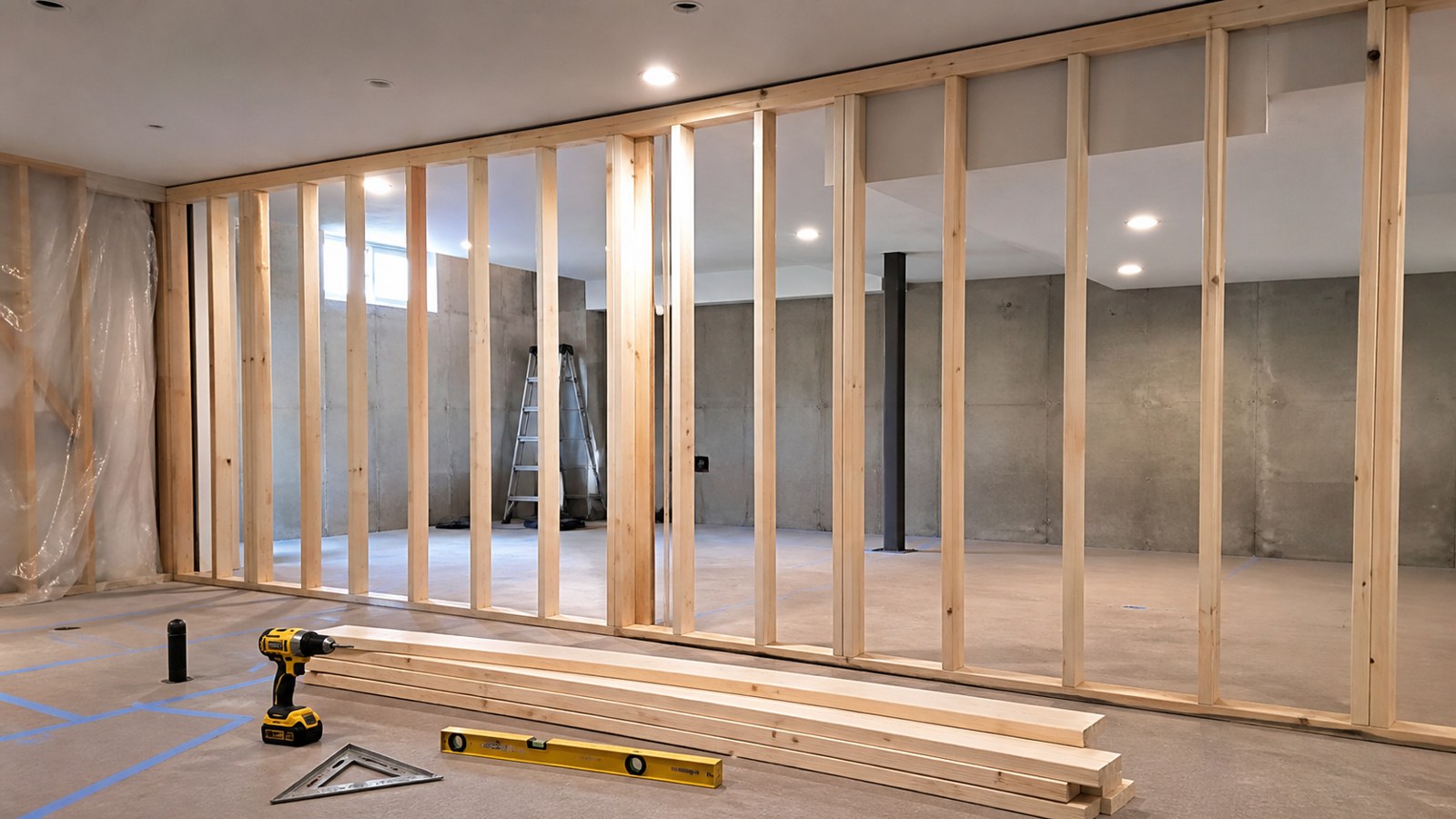
Basements often present unique challenges—cool temperatures, moisture, and uneven subfloors. These conditions require materials that resist water damage and maintain structural integrity. Luxury vinyl plank, ceramic tile, and sealed concrete are among the most durable options. Each provides stability while managing humidity effectively.
Engineered wood can be used in semi-dry finished basements where proper moisture barriers are installed. Avoid solid hardwood and carpet unless the space is fully climate-controlled and dry. To enhance warmth, consider underfloor heating beneath tile or vinyl. Adding area rugs softens the space and introduces visual comfort.
A well-chosen basement floor can transform a dark, utilitarian area into a functional extension of your living space. Whether it’s a home gym, theater, or playroom, durability and water resistance ensure it remains beautiful for decades.
Entryways, Mudrooms, and Hallways: Built for Traffic
These transitional areas endure the most foot traffic and dirt. Flooring here must resist wear, moisture, and abrasions while still creating a welcoming first impression. Porcelain tile, natural stone, or waterproof vinyl stand up to the challenge beautifully. Their resilience makes cleaning simple and prevents long-term staining.
Consider textured finishes that reduce slipping, especially in climates where rain or snow is common. Darker tones and patterned surfaces hide scuffs and debris better than lighter ones. For hallways that connect multiple rooms, consistent flooring maintains flow and elegance. Add doormats or runners for added protection and a touch of design flair. The entryway sets the tone for your entire home—make sure it combines durability with visual warmth. A well-chosen floor here will greet every guest and withstand every season gracefully.
Cohesion Through Color and Texture
While each room may have unique needs, the overall aesthetic should feel unified. Flooring transitions are key moments where color, texture, and material meet. Choose complementary tones to maintain flow. For instance, pairing cool-gray tile in a kitchen with warm oak hardwood in the living room can work beautifully when balanced by neutral walls and accents. Texture also matters—matte finishes convey warmth and subtlety, while glossy surfaces add modern sophistication. Consistency in plank width or tile scale across rooms helps tie the home together visually. Think of flooring as a visual journey from one space to another, creating rhythm and connection. By coordinating finishes and hues, you allow your home’s personality to shine while keeping its story cohesive.
Sustainability and Health Considerations
Eco-friendly flooring has become a priority for many homeowners. Sustainable materials like bamboo, cork, reclaimed wood, and natural linoleum offer beauty without compromising the planet. These options come from renewable sources and often feature low-VOC adhesives and finishes, improving indoor air quality.
Additionally, certain synthetic materials—like modern vinyl and laminate—are now produced with greener manufacturing processes and recycling programs. Evaluating certifications such as FloorScore or GREENGUARD can help ensure you’re choosing safe, responsible products. Healthy flooring choices don’t just protect the environment—they enhance comfort and peace of mind for everyone under your roof.
Maintenance and Longevity: Protecting Your Investment
The perfect flooring choice means little without proper care. Regular maintenance preserves appearance and performance. Vacuum carpets weekly, sweep or mop hard floors, and reapply sealants or finishes as recommended by manufacturers. Felt pads under furniture prevent scratches, while mats near doors trap dirt before it reaches your interior. Using the right cleaning products for your specific material prevents dulling or damage. A well-cared-for floor not only lasts longer but also continues to elevate your home’s style year after year. Ultimately, every type of flooring rewards those who respect its needs. A bit of care today ensures beauty and resilience for decades to come.
Final Thoughts: Where Style Meets Substance
Selecting the right flooring isn’t just about color or material—it’s about creating harmony between form and function. Your home’s floors should reflect how you live: resilient where life gets messy, comforting where you rest, and stylish everywhere in between. Each room has its own rhythm, and the best flooring accentuates that unique cadence.
From timeless hardwood to innovative vinyl, from cozy carpets to durable tiles, the perfect floor unites your design vision with your everyday lifestyle. When you choose thoughtfully, every step you take in your home feels right—grounded in comfort, beauty, and purpose.