Drywall is the quiet hero of modern construction. It shapes our rooms, defines our spaces, muffles sound, holds up our paint, and provides the clean canvas we associate with finished interiors. Yet despite being everywhere, drywall remains one of the most misunderstood building materials among beginners. Many assume it is fragile, tricky, or impossibly messy. Others imagine drywalling is strictly a job for professionals. The truth is far more empowering: with planning, patience, and the right methods, anyone can install, finish, and repair drywall with confidence. This complete beginner’s guide breaks down the process step-by-step, exploring the tools, materials, techniques, and behind-the-scenes knowledge that separate rough, uneven walls from strong, smooth, beautiful surfaces. Whether you’re renovating a room, finishing a basement, building a home office, or simply curious about how walls come together, this guide gives you the foundation you need to approach drywall like a pro.
Understanding What Drywall Really Is
Drywall—often called sheetrock, gypsum board, or plasterboard—is made of a gypsum core sandwiched between thick paper layers. Gypsum is naturally fire-resistant, which gives drywall its safety advantage. These panels replace old-fashioned plaster methods that required multiple coats and long drying times. The invention of drywall dramatically sped up construction and made smooth interior walls accessible to everyone.
Different drywall types serve different purposes. Standard white drywall is used for most interior walls. Moisture-resistant boards—often tinted green or purple—protect bathrooms and kitchens where humidity is high. Fire-rated boards help garages and shared walls between homes meet code. Soundproof drywall uses thicker gypsum layering to reduce noise transfer. While beginners often start with standard drywall, understanding these variations helps ensure safety and long-term durability.
Tools and Materials Every Beginner Needs
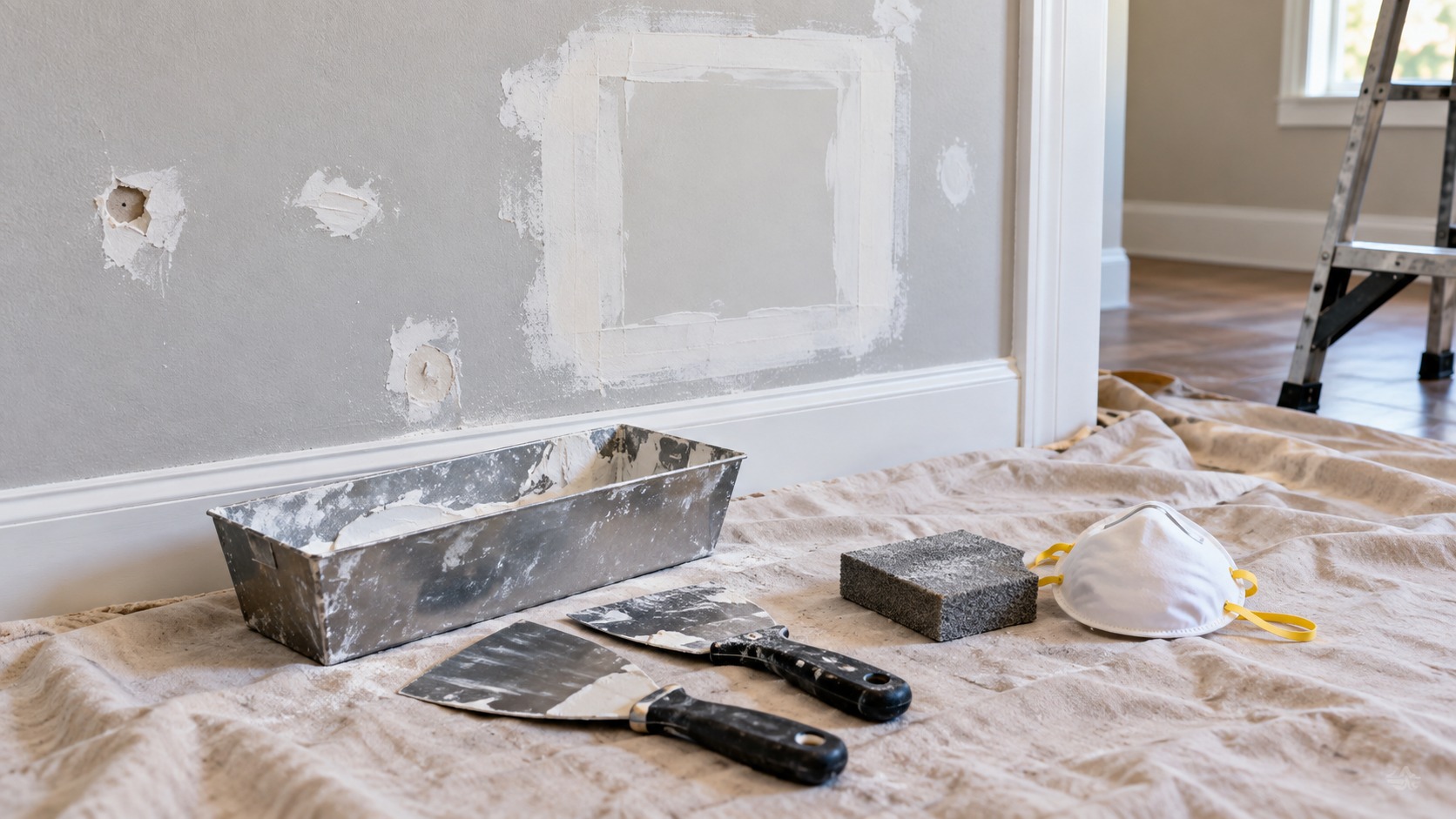
Although drywalling looks gear-heavy, the essential tools are surprisingly straightforward. A few key items include a utility knife for cutting panels, a screw gun or drill for fastening, taping knives in various widths, a mud pan, joint tape, and joint compound—commonly called drywall mud. Sanding tools bring everything together at the end. Each tool plays a critical role in creating seamless surfaces. The utility knife makes precise cuts so the boards fit tight against studs. A screw gun ensures screws sit just below the surface without tearing the paper. Taping knives spread joint compound smoothly, while the tape holds seams together and prevents future cracking. Even sanding, often dreaded, becomes manageable with good technique and the right grit. With only a modest investment, beginners can assemble a capable drywall kit that lasts for years.
Planning Your Project: Measuring and Buying Materials
Great drywall work begins long before hanging the first sheet. Measuring the room carefully ensures you buy the correct amount of drywall while minimizing waste. Most panels are 4 feet wide and come in lengths of 8, 10, or 12 feet. Beginners often prefer 8-foot panels because they’re easier to carry, though larger panels create fewer seams.
When planning, map out which panels will cover which sections of wall. You want seams to fall in easy-to-reach areas and away from corners whenever possible. Professionals often install drywall horizontally, reducing seam count, but vertical installation works well in many situations and may be easier to handle alone.
Material estimates should include not only the panels but also screws, joint tape, joint compound, corner bead, and primer. Buying a little extra joint compound is wise—beginners tend to use more than expected until technique improves.
Framing: The Skeleton Beneath the Surface
The most beautiful drywall job cannot hide poorly built framing. Behind every smooth wall is a network of studs that support the structure. If the studs are uneven, bowed, or spaced irregularly, the finished wall will reflect every flaw.
Before hanging drywall, inspect the framing. Use a long level or straight edge to check for studs that bulge or dip. Shimming or planing these imperfections makes a significant difference in the final look. Proper spacing—typically 16 inches on center—ensures the drywall edges land on studs, making fastening easier and sturdier. Framing also determines sound quality, insulation capacity, and moisture control. Taking time to prepare the skeleton of the wall will make drywall installation smoother, more secure, and much more professional-looking.
Hanging Drywall: The Foundation of Strong Walls
Installation is where beginners often gain confidence. Drywall hanging follows a logical process, and with practice, sheets go up quickly.
Start with the top of the wall, securing the panel horizontally or vertically depending on your plan. Position the sheet so its edges land on studs. Use drywall screws placed every eight inches along the edges and every twelve inches in the field of the sheet. Screws should sink slightly beneath the paper without tearing it—an important detail as torn paper weakens the surface and complicates finishing.
Cutting drywall becomes easier over time. Score the face with a utility knife, snap the board along the score line, then cut the paper backing. This simple technique allows for clean, accurate cuts. Openings for electrical boxes or fixtures require careful measurement and slow, deliberate cutting. Precision here reduces the need for fillers and retouching later.
Installing ceiling panels first is standard practice. It ensures walls help support the edges of ceiling sheets and creates cleaner corners. Working overhead can be tiring, but drywall lifts or even a temporary T-support can help significantly.
Taping: The Step That Makes Walls Strong
Hanging drywall creates the shape of your wall, but taping gives it structural integrity. Without tape, seams between sheets would crack as the building subtly shifts. Joint tape bridges these seams, reinforcing them before mudding.
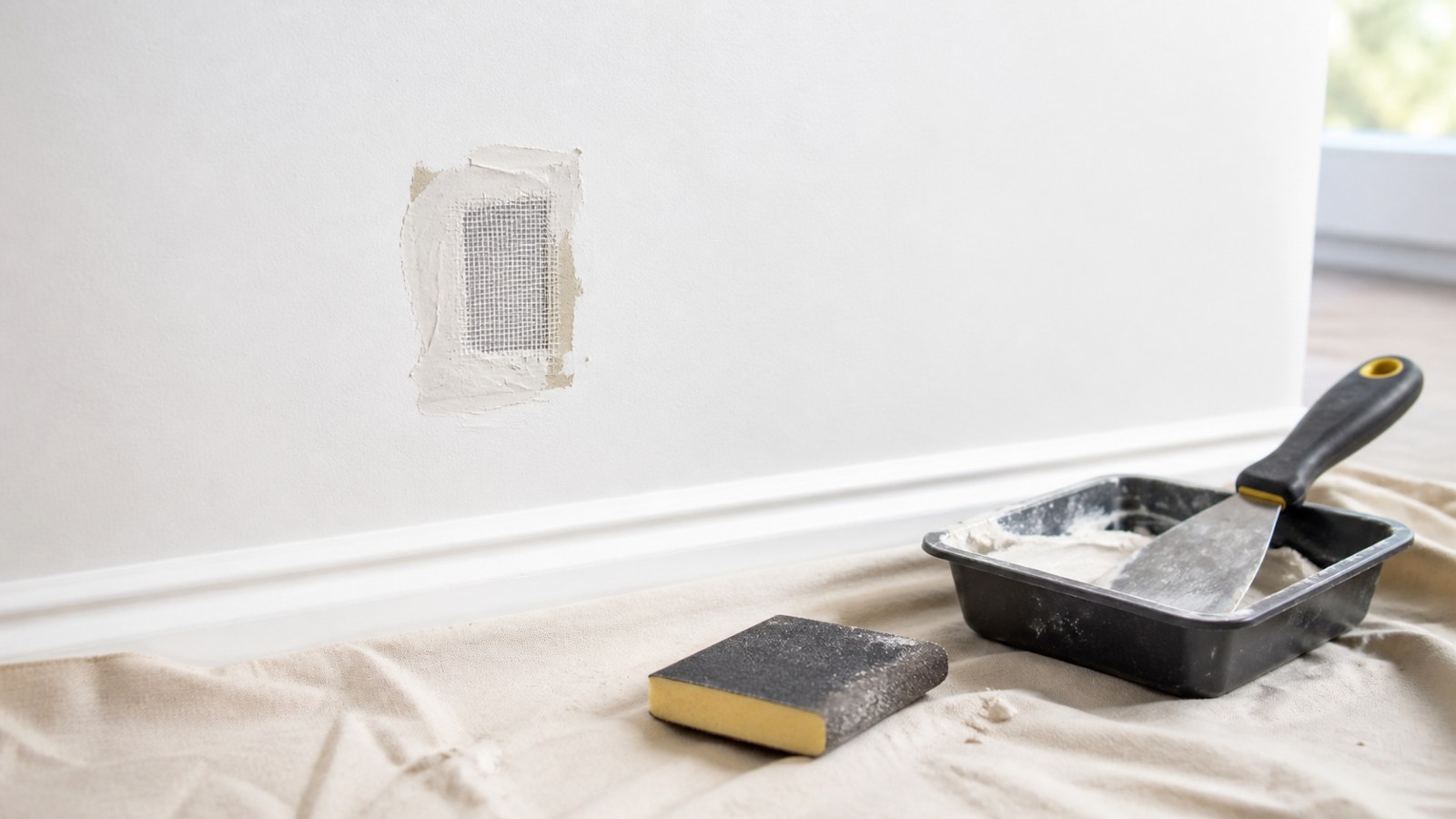
Paper tape is the traditional choice and provides excellent strength. Mesh tape is easier to apply but sometimes results in cracking if used improperly. Beginners often start with paper tape for seams and mesh tape for patchwork.
Applying tape requires spreading a thin layer of mud over the seam, pressing the tape into it, and smoothing it flat using a taping knife. The key is consistency—too much mud causes bubbles, while too little reduces adhesion. Patience goes a long way. A well-taped seam sets the stage for flawless finishing.
Mudding: Where Beginners Become Craftsmen
Mudding transforms taped drywall into smooth, continuous surfaces. Most finishing work uses three coats of joint compound: a tape coat, a fill coat, and a finish coat. Learning how to apply these layers evenly is the heart of drywall craftsmanship. The first coat holds the tape in place. The second widens the seam and begins blending it with the panel. The third creates a nearly invisible transition. Each coat must dry completely before the next is applied, and each should be slightly wider than the last. This gradual widening prevents noticeable seams after painting.
The challenge for beginners is balancing speed with smoothness. Working too slowly can create ridges. Applying too much mud leads to excessive sanding. Light, sweeping strokes using the full width of the knife help minimize imperfections. Mudding is less about brute strength and more about gentle, controlled movements. Drying times vary with temperature and humidity. Using fans or heaters speeds the process but must be done cautiously to avoid cracking or shrinking. Rushing rarely yields good results—drywall rewards patience more than any other skill.
Sanding: The Art of Perfection
Sanding is where your work comes into final focus. While the goal is to sand as little as possible through good mudding technique, some smoothing is always necessary. Professionals aim for a surface free of streaks, edges, ridges, or visible transitions.
Use a sanding block or pole sander, depending on room size. Fine-grit sandpaper is best for finishing coats, while slightly coarser grit may be needed for earlier layers. Sanding creates a considerable amount of dust, so wearing a mask, opening windows, and using dust-controlling tools is essential.
The right lighting makes imperfections stand out. Positioning a bright light at a low angle casts shadows that reveal dips or raised lines. Small touch-ups with a thin layer of mud often solve these issues. Once the wall feels smooth to the touch and passes the light test, it is ready for primer.
Priming and Painting: Bringing the Wall to Life
Primer seals the drywall, prevents flashing, and ensures paint adheres evenly. Fresh drywall absorbs paint rapidly, so skipping primer leads to uneven sheen and patchy color. A quality drywall primer creates a uniform base and highlights any remaining imperfections before paint.
After priming, the painting phase truly transforms the room. Whether you choose bold color, soft neutral tones, or a dramatic accent wall, paint rewards all the work beneath it. Smooth drywall provides a flawless canvas that elevates even simple finishes.
Patching and Repair: Everyday Skills That Pay Off
Drywall repair is one of the most valuable skills a homeowner can learn. From doorknob dents to furniture scratches, drywall sustains wear over time. Fortunately, repairs are straightforward and follow the same principles as installation.
For small holes, patch kits provide fast solutions. Larger holes may require cutting out damaged sections and installing a new piece of drywall. Feathering the edges during mudding helps the patch blend seamlessly.
Repair skills not only save money but also keep your home looking new. Once you master the fundamentals—cut, secure, tape, mud, sand—you can handle almost any wall issue that arises.
Exploring Advanced Techniques: Textures and Finishes
While smooth walls dominate modern design, textured finishes add character and hide imperfections. Techniques like knockdown, orange peel, or skip trowel create depth and visual interest. Beginners can experiment on scrap drywall to get a feel for each style.
Some modern homes use accent plaster finishes inspired by Venetian plaster or limewash. These effects elevate walls beyond functional surfaces into artistic focal points. Once you understand the basics of drywall preparation, you’ll be well-equipped to explore these creative finishing options.
Safety Tips Every Beginner Should Follow
Drywalling is generally safe, but dust, lifting, and sharp tools pose risks. Always wear goggles during sanding, gloves during cutting, and a mask when handling joint compound. Use proper lifting techniques—drywall sheets are heavy, and carrying them awkwardly can strain your back. Securing your workspace prevents tripping hazards and makes tools easier to access. A clean, organized environment speeds the project and keeps you safe.
Why Good Drywall Work Matters More Than You Think
Drywall is the hidden foundation of every interior space. It affects sound, insulation, structural feel, lighting reflection, and overall design. Poorly installed drywall creates cracks, uneven lines, and paint issues that frustrate homeowners for years. Exceptional drywall work, on the other hand, disappears into the background while making rooms feel refined, crisp, and well-crafted.
The techniques in this guide empower beginners to achieve results that rival professional work. With patience, consistency, and the right approach, anyone can build strong, smooth, enduring walls.
Your Path to Drywall Mastery Starts Here
Every smooth wall began with someone learning the basics: measuring, cutting, taping, mudding, and sanding. Drywall rewards attention to detail and perseverance. Each project builds skill and confidence. Whether you’re renovating a room or transforming an entire house, the knowledge you’ve gained gives you the foundation for success. Drywall is more than a building material—it’s the canvas on which the rest of your home takes shape. Mastering it means mastering the art of creating strong, smooth, beautiful walls that last.