The Secret Skeleton Behind Every Wall
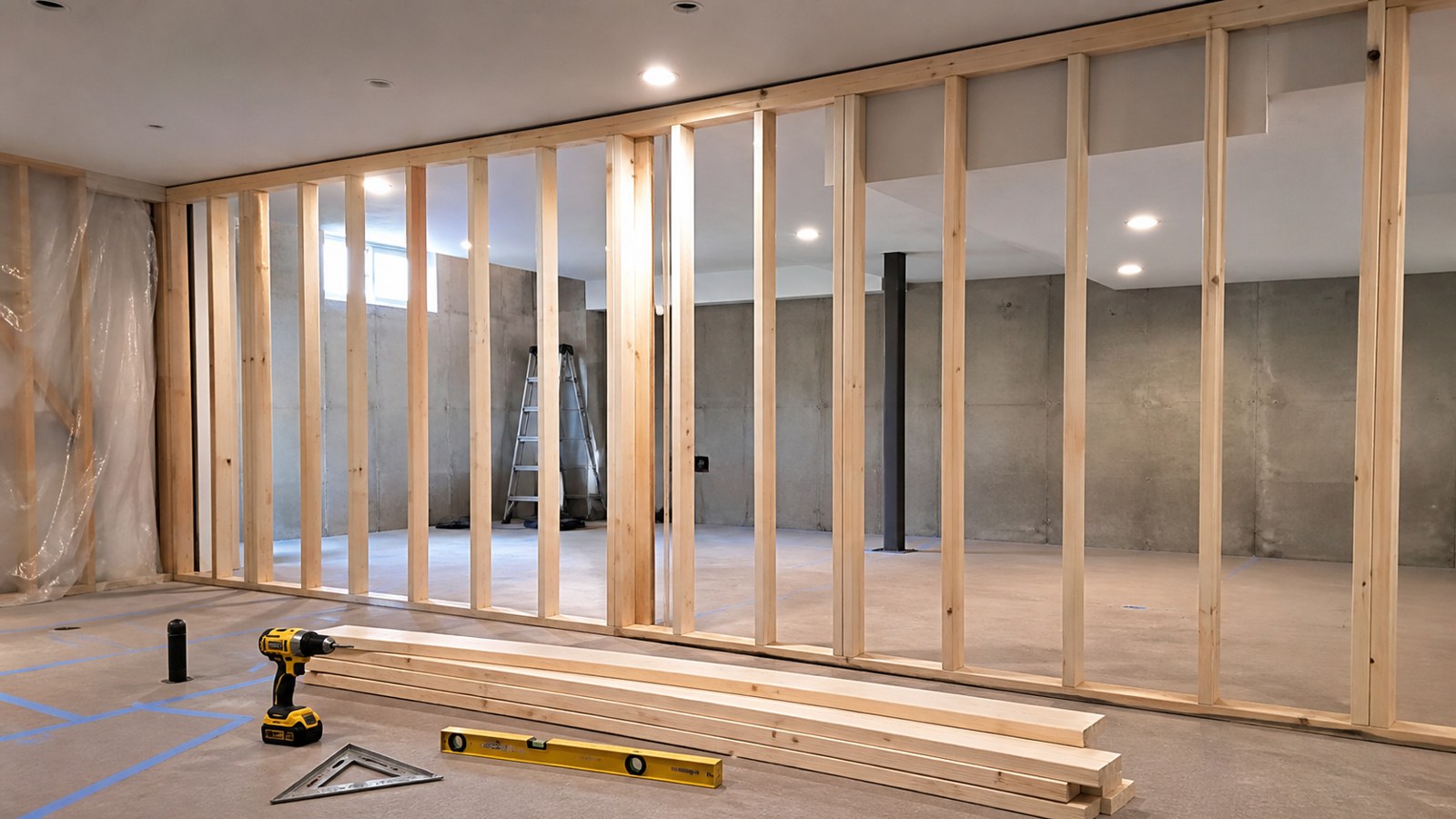
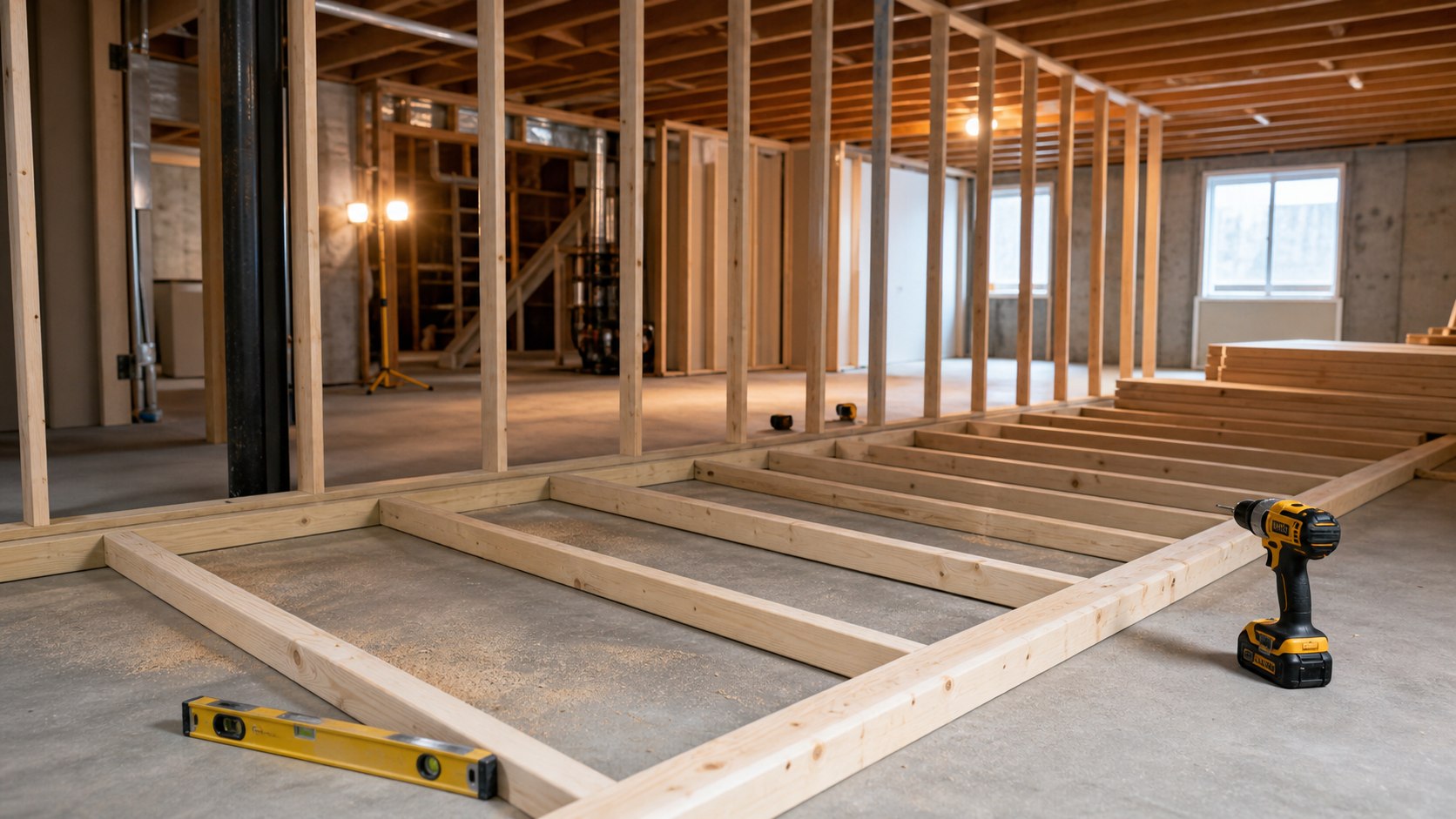
Behind every smooth wall hides a perfectly spaced rhythm of wooden studs — the hidden structure that gives shape and strength to your home. Finding them isn’t just about convenience; it’s the difference between a solid, safe project and one that collapses under its own weight. From hanging shelves to mounting televisions, precise stud location is the foundation of every secure installation. But locating these unseen backbones can feel like detective work. Walls conceal their secrets well, and one false move could mean drilling into nothing but hollow drywall. That’s where professional techniques come in. With the right methods, tools, and instincts, you can uncover the structure beneath the surface with pinpoint accuracy — and confidence that every screw and nail will hold. Let’s explore the hidden geometry behind your walls and master the art of finding and marking studs like a pro.
Understanding What’s Inside Your Walls
To locate studs effectively, you first need to know what’s hiding in there. Most interior walls are framed with vertical wooden studs, spaced 16 or 24 inches apart, measured “on center” (from the middle of one stud to the next). These studs are attached to top and bottom plates, horizontal boards that anchor the frame to the floor and ceiling. Drywall or plaster covers this wooden framework, concealing not only the studs but also electrical wires, pipes, and insulation that run through it. Recognizing this layout helps you predict where studs should logically fall, even before you grab a tool.
A key principle: studs are always located near doors, windows, and corners. Electrical boxes, switches, and outlets are usually fastened to the side of a stud. These predictable clues give you a starting point before any tool touches the wall. Understanding structure transforms your approach — from guesswork to geometry.
The Old-School Tapping Method
Before electronic stud finders existed, carpenters relied on their senses. One of the oldest tricks in the book involves nothing more than your knuckles and a keen ear. Tap gently along the wall, moving horizontally. When you hear a hollow, echoing sound, you’re over empty drywall. But as your knuckles strike a spot where the tone becomes solid and dull, you’ve likely found a stud. To double-check, move slightly left and right to identify the point where that sound changes again. The center of that dull zone marks the stud’s midpoint. This analog method still works surprisingly well, especially in older homes with predictable stud layouts. While it requires practice, many seasoned builders trust their ears over electronics. The wall’s resonance tells its own story — if you know how to listen.
Using Magnetism to Your Advantage
For a more scientific approach, magnetic stud finders are simple yet effective. These compact tools use rare-earth magnets to detect the metal screws or nails that secure drywall to studs. To use one, move it slowly in a horizontal or vertical sweep along the wall. When it clings or pulls toward the surface, you’ve found a fastener — and by extension, the stud behind it.
Professional carpenters often prefer this type for its reliability: no batteries, no calibration, no false positives. They’re particularly handy on finished or painted walls where sound-based detection is less accurate. If you’re using magnets manually, a strong neodymium magnet wrapped in painter’s tape works too. Glide it gently over the surface — when it jumps or sticks, mark the spot. Connect several points vertically to reveal the full stud line.
Mastering the Electronic Stud Finder
For modern precision, electronic stud finders reign supreme. These handheld devices measure changes in wall density to locate the edges or center of studs. Start by placing the finder flat against the wall and pressing the power or calibration button. Once calibrated, slide it horizontally at a steady pace. When it detects a stud edge, the indicator lights or sounds an alert. Mark that point lightly with a pencil. Continue sliding until the opposite edge is found, then mark it too. The center between these marks is your stud’s heart. Advanced models can even detect live electrical wires or metal pipes, reducing the risk of drilling mishaps. Some use multi-sensor arrays for faster scanning or deep-scan modes for thicker plaster or tile-covered walls. Pros recommend cross-checking at multiple heights — drywall screws should align vertically, confirming the stud’s straight line. With accuracy down to millimeters, an electronic finder transforms guesswork into science.
Mapping Stud Layouts with Logic
Studs follow a predictable rhythm — a pattern that makes mapping them simpler once you’ve found your first. Once one stud is confirmed, measure 16 inches from its center and mark. Repeat in both directions to predict the next studs. Builders use this spacing to ensure uniform load distribution and easy drywall installation. However, some exceptions apply: corners, windows, plumbing chases, and older houses often disrupt the pattern.
That’s why it’s best to verify with additional scans or a quick magnet sweep. Professional framers also use floor and ceiling plates as guides. If you can see the top or bottom of the wall (like during a remodel), the stud positions are visible and easy to project upward or downward. Over time, you’ll start “seeing” studs even on finished walls — a kind of builder’s intuition born from pattern recognition.
Confirming with Outlets and Trim
One of the most reliable visual clues hides in plain sight: electrical outlets and switches. These boxes are almost always fastened to the side of a stud. To find it, remove the outlet cover (after turning off the power, of course) and peek inside. You’ll see which side the stud sits on. Measure ¾ inch from the edge of the outlet box on that side, and you’ll hit the stud centerline. Baseboards and crown moldings can also reveal stud positions. Look closely for tiny nail divots — finish nails are driven into studs to hold trim tight. Once you identify one, follow the 16-inch rule to map others along the same wall. By combining visual cues with tool verification, you can locate studs faster than any single method alone.
Marking Studs with Accuracy
Locating is only half the job — marking them clearly and accurately ensures your work stays true from start to finish. Use a sharp pencil or painter’s tape to mark the stud’s centerline on the wall. If you’ll be installing long fixtures or cabinets, extend your marks vertically using a 4-ft level or laser line. This guarantees perfect alignment across the entire project.
For multi-stud layouts, like shelving or wall-mounted panels, label each stud’s center and write measurements lightly beside them. These reference marks help avoid confusion once tools and materials start covering your workspace.
Professionals often use temporary masking tape with numbered markings. It keeps the wall clean while making reference points easy to see. Once the installation is complete, simply remove the tape — no pencil cleanup needed. The more visible and organized your markings, the smoother your installation becomes.
What Not to Do When Finding Studs
Mistakes during stud finding can lead to costly or dangerous outcomes. A few pitfalls to avoid: Never assume perfect spacing throughout an entire wall. Builders occasionally adjust stud placement to accommodate vents, pipes, or design elements. Always verify. Don’t rely solely on tapping or random drilling — walls often hide electrical wiring and plumbing. Damaging them can cause fires, leaks, or serious injuries. Avoid marking walls with heavy ink or deep scores. Pencil or tape is always preferred for clean removal after finishing. Lastly, never drill into exterior walls without considering what’s beyond — insulation, vapor barriers, and exterior sheathing require special handling. Precision and patience go hand in hand. Taking a few extra minutes to confirm each stud could save hours of repair.
Advanced Techniques Pros Use
Professionals often layer methods for maximum confidence. A magnetic stud finder can confirm the electronic reading. Measuring from outlets verifies spacing, while a quick tap test ensures consistency. Some pros use inspection cameras or infrared sensors for high-end remodels. Thermal imaging can reveal subtle temperature differences between studs and cavities — the denser wood transfers heat differently than the hollow drywall.
Others use laser line levels to project stud alignments across long walls, ensuring fixtures and cabinetry mount perfectly level. In multi-wall projects, they may even create digital stud maps using CAD or layout apps to record precise coordinates. These advanced approaches elevate accuracy to architectural precision — ensuring every anchor, screw, and bracket lands exactly where it should.
When the Stud Finder Lies
Even the best devices can produce false readings. Metal lath, plaster walls, insulation foil, or uneven surfaces can confuse sensors. If your stud finder gives inconsistent readings, recalibrate in a known empty section and re-scan slowly. Try perpendicular passes, switching between edge and center modes. Magnetic confirmation is often the best tie-breaker. In older homes, studs may not follow standard spacing. Sometimes you’ll find double studs around openings or wide gaps near chimneys and alcoves. When in doubt, pilot drill with a thin bit — 1/16 inch is enough to feel resistance and confirm structure without damaging the wall. The key is cross-verification. Every pro knows that redundancy equals reliability.
Turning Knowledge Into Craft
Finding and marking studs may seem like a small task, but it’s a skill that underpins nearly every phase of construction. It blends geometry, physics, and craftsmanship — transforming you from a guesser into a builder who truly understands structure. When your measurements line up, your marks are clean, and your anchors bite into solid wood, you feel the quiet satisfaction that only precision brings. Your shelves hang level. Your cabinets hold firm. Your walls remain pristine. That’s the real power behind this skill — it’s not just about finding what’s hidden; it’s about understanding the invisible order that holds everything together.
The Stud Finder’s Code of Confidence
Whether you’re a weekend renovator or a seasoned framer, stud finding is a foundational craft. The goal isn’t just to hit wood — it’s to build trust in your process. From tapping walls to high-tech sensors, every method has its place in a pro’s toolkit. What separates the professional from the novice is the ability to combine techniques, interpret clues, and mark with precision. When you can confidently mark a wall and say, “That’s solid,” you’ve joined a lineage of builders who see beyond paint and plaster — who can visualize the bones of every home.
Framing Your Future Projects
Now that you know how to find and mark wall studs like a pro, your possibilities expand dramatically. You can hang shelves that never sag, install heavy TVs that stay perfectly level, and build feature walls with structural integrity. Each stud you find connects you to the hidden craftsmanship of your home. It’s a small, satisfying moment — a tap, a mark, a secure anchor — that builds confidence for every larger project ahead. Remember: the best builders don’t just measure twice — they understand what they’re measuring. Your walls are waiting.