Beginner plumbing is less about memorizing every fitting and more about understanding how water enters, moves through, drains from, and is shut off inside a house. Once those basics make sense, small repairs feel calmer and the warning signs of a bigger problem are easier to spot.
A good DIY starter approach begins with shutoff valves, leak control, drain behavior, simple fixture parts, safe tools, and the discipline to stop before a small job turns into hidden water damage. Plumbing work rewards patience because water finds every weak connection sooner or later.
A: Identify how to control the water safely and when an unreliable valve or unknown installation requires help before disassembly.
A: Observe whether the symptom involves incoming flow or water leaving the fixture, including whether leakage occurs without fixture use.
A: Not necessarily. A restriction at one fixture can reduce its flow even when the broader supply pressure is normal.
A: Its intended water seal helps separate the room from drainage gases; it should not be removed as though it were a clog.
A: Use markings, dimensions, and reliable documentation because appearance alone may not establish the material or approved connection method.
A: Excess force can damage threads, gaskets, or plastic components. Use the connection's prescribed assembly method instead.
A: Local stops usually serve particular fixtures or branches, while the main shutoff controls the main incoming supply; map their actual roles.
A: Find the source, including trap condition and drainage behavior, rather than enclosing or disguising an unresolved problem.
A: Concealed leakage, uncontrollable water, severe deterioration, system-wide symptoms, or unfamiliar safety-critical equipment raises the scope.
A: Describe affected fixtures, timing, visible materials, isolation options, and clear photographs of the untouched installation.
Learn the Two Sides of Plumbing
Most home plumbing can be divided into supply and drain systems. Supply pipes bring pressurized clean water to fixtures. Drain pipes carry used water away by gravity, with vents helping drains flow correctly. These two systems behave differently and fail in different ways.
Supply problems often show up as leaks, low pressure, noisy pipes, or fixtures that will not shut off. Drain problems show up as slow drains, gurgling, odors, backups, or traps that dry out. Knowing which side has the problem keeps troubleshooting focused.
Find the Main Water Shutoff
The main shutoff is the most important plumbing item in the house. It may be near the water meter, in a basement, crawl space, garage, utility room, or exterior box depending on the home. Every adult in the house should know where it is.
Test it gently before an emergency if it appears safe to do so. A valve that has not moved in years may be stiff or fragile. If the main shutoff is corroded, leaking, buried, or impossible to turn, have it serviced before a leak makes the decision urgent.
Know Fixture Shutoffs
Many sinks, toilets, dishwashers, ice makers, and washing machines have local shutoff valves. These let you stop water to one fixture without shutting down the whole house. They are useful for repairs, leaks, and appliance replacement.
Do not assume every valve works. Old stop valves can leak when turned. Some are stuck open. Others break after years of mineral buildup. If a local shutoff looks crusty, wet, or fragile, treat it carefully and keep the main shutoff plan ready.
Understand Water Pressure
Water pressure affects fixture performance and pipe stress. Low pressure can come from clogged aerators, partially closed valves, old galvanized pipes, failing pressure regulators, utility work, leaks, or well-system issues. High pressure can strain fixtures and supply lines.
A hose-bibb pressure gauge can give a useful reading, but the number needs context. Pressure that is too high may require a pressure-reducing valve. Pressure that suddenly drops may mean a bigger issue than a clogged faucet screen.
Learn Hot Water Basics
The water heater supplies hot water to fixtures and appliances, but it is not a casual beginner repair zone. Temperature settings, pressure relief valves, expansion tanks, gas lines, electrical connections, combustion air, and venting can all affect safety.
Beginners can learn where the shutoff is, how to spot leaks, how to recognize rusty water or rumbling sounds, and when hot water performance changes. Repairs involving gas, wiring, relief valves, tank replacement, or venting should move to a qualified professional.
Respect Leaks Early
A slow drip is not harmless just because it fits in a bucket. Water can damage cabinets, subfloors, drywall, framing, insulation, and finishes long before the leak looks dramatic. Small leaks also attract mold and can hide behind trim or under flooring.
When a leak appears, control water first. Shut off the fixture or main valve, dry the area, place towels or a pan if needed, and inspect the source. Do not seal around a leak with caulk and hope. Caulk may hide water while damage continues behind it.
Learn Basic Pipe Materials
Homes may have copper, PEX, CPVC, galvanized steel, cast iron, PVC, ABS, or a mix of materials. Each material has different fittings, tools, failure patterns, and repair methods. A fitting that works on one pipe type may be wrong for another.
Before buying parts, identify the pipe material and size. Take clear photos and old parts to the store if needed. Guessing pipe size wastes time and can lead to weak connections. Older homes may also have materials that deserve professional evaluation.
Use the Right Beginner Tools
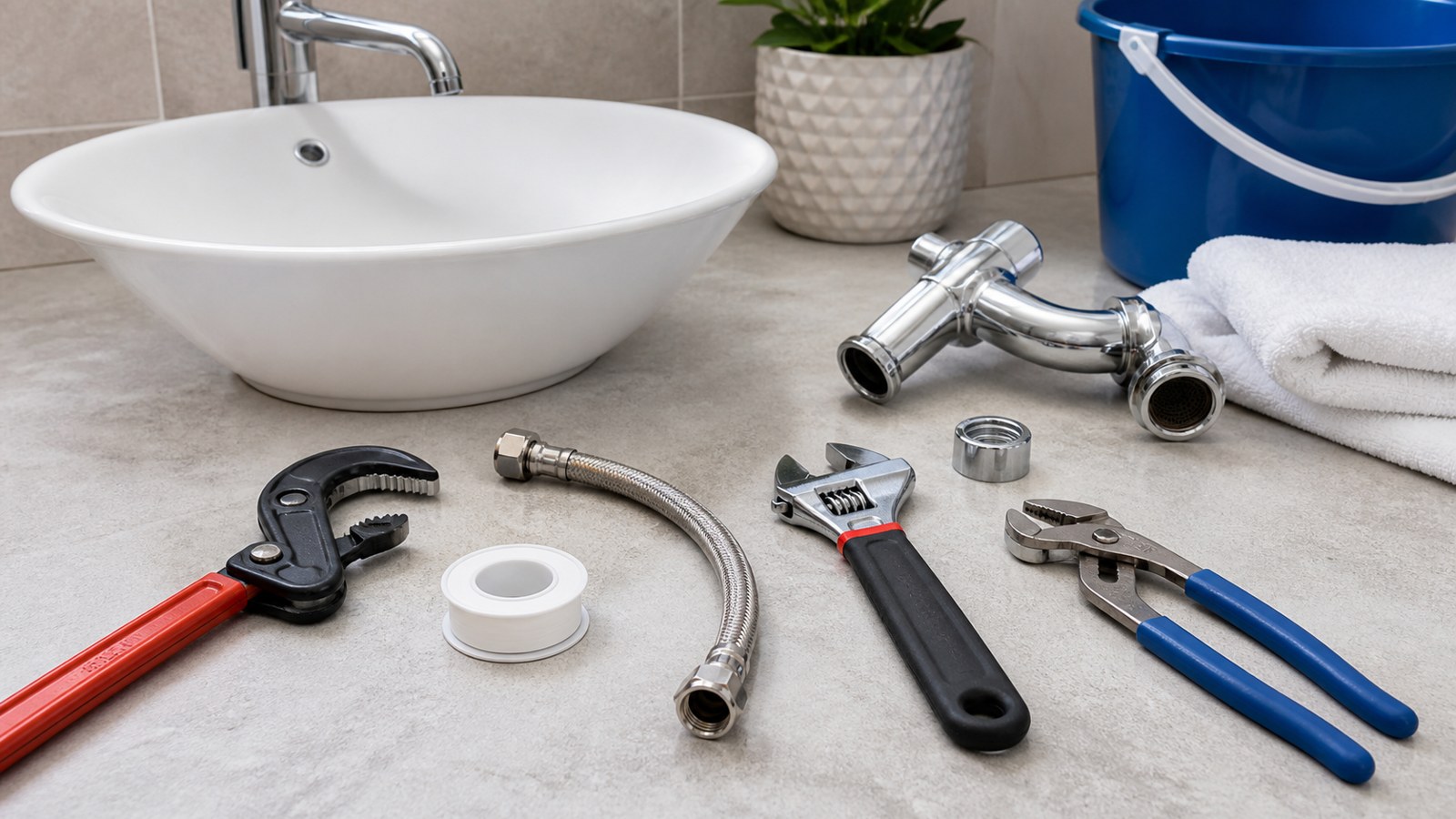
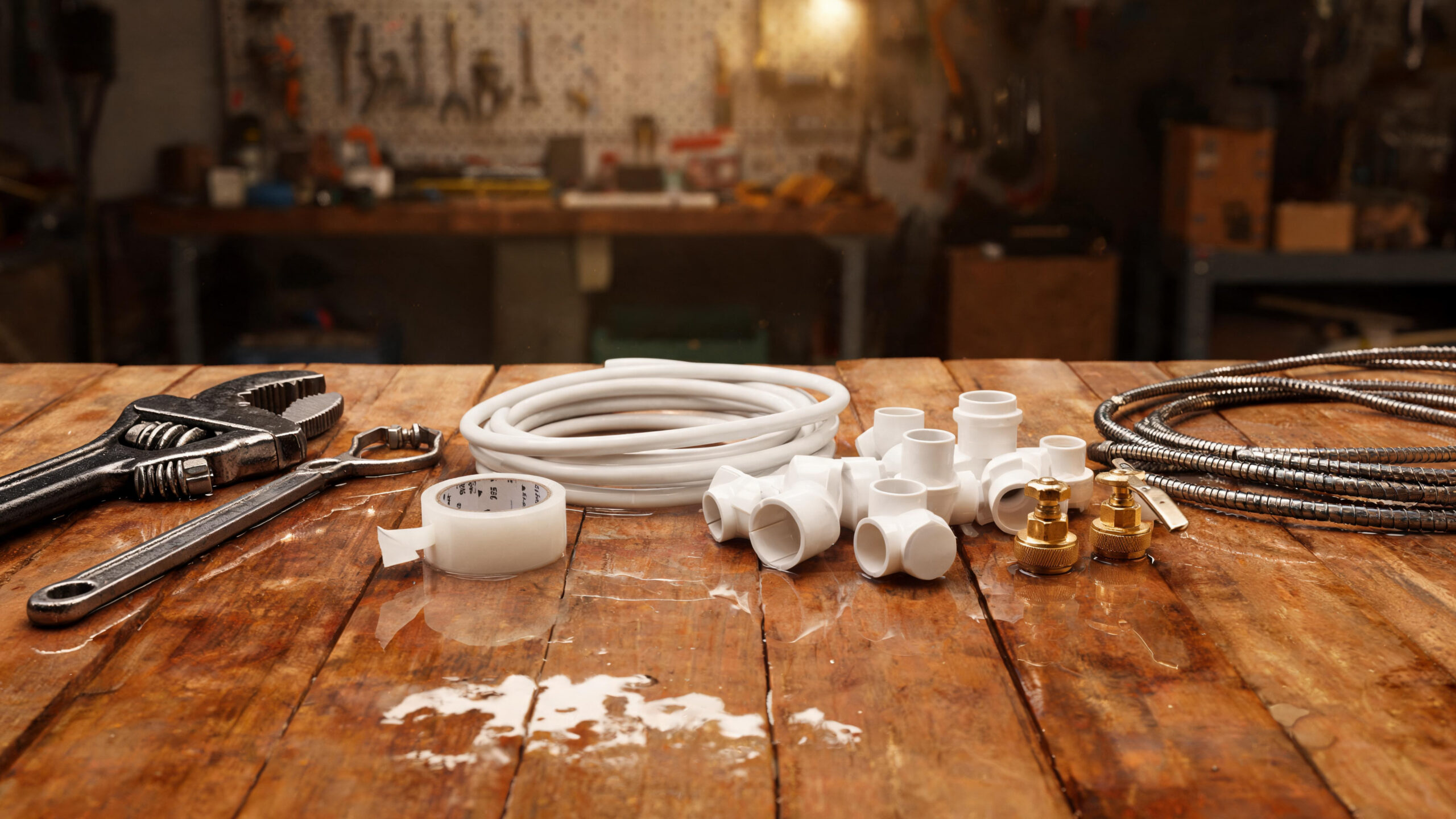
A basic plumbing kit can include tongue-and-groove pliers, an adjustable wrench, basin wrench, plumber’s tape, bucket, rags, flashlight, drain snake, plunger, utility knife, and replacement washers or supply lines. These cover many simple maintenance tasks.
Tools should fit the job. Oversized pliers can crush finishes and deform fittings. A basin wrench reaches faucet nuts that ordinary wrenches cannot. A bucket and towel are tools too because most plumbing work releases some water.
Do Not Overtighten Fittings
Beginners often try to stop leaks by tightening harder. That can crack plastic nuts, crush washers, strip threads, deform compression fittings, or make a future repair harder. Many plumbing seals rely on washers, gaskets, ferrules, or thread design, not brute force.
Tighten carefully, test, and inspect. If a joint leaks after reasonable tightening, take it apart and look for a damaged washer, crooked thread, wrong part, dirty surface, or misalignment. More force is not always the fix.
Understand Traps
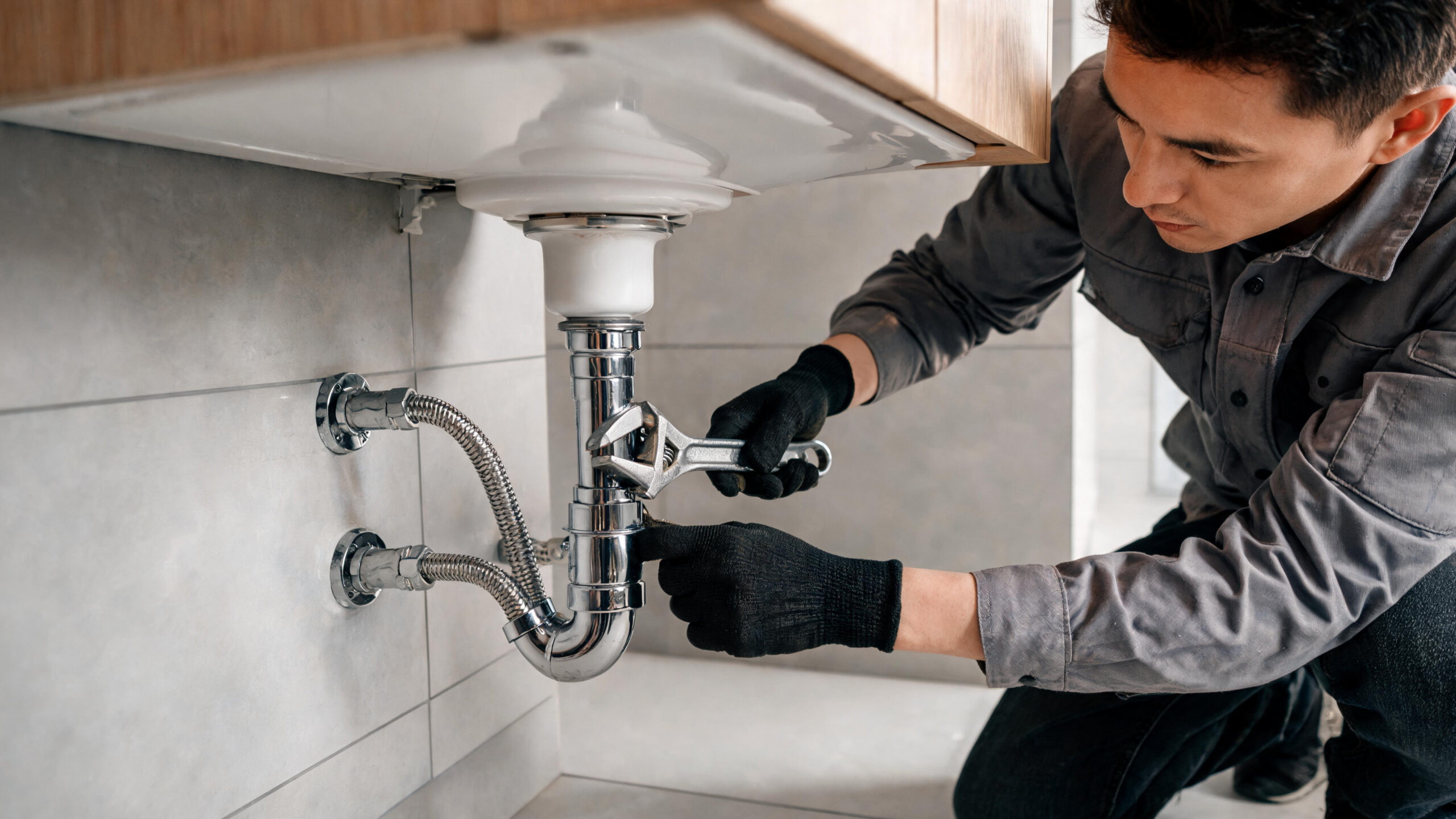
The curved pipe under a sink is the trap. It holds water that blocks sewer gas from entering the room. Traps also catch some debris, which is why they are common clog points. A dry trap can cause odors even when no pipe is broken.
When working on a trap, place a bucket underneath and take a photo first. Plastic slip-joint parts can usually be disassembled carefully by hand or with light tool pressure. Reassemble with washers facing the right direction and check for drips after running water.
Notice Venting Clues
Drain vents help air move so water can flow smoothly through the drain system. Beginners do not need to redesign vent piping, but they should recognize warning signs. Gurgling, siphoned traps, sewer odors, and slow drains in several fixtures can point beyond a simple clog.
If one sink is slow, the trap or branch drain may be the issue. If several fixtures gurgle or back up together, stop treating each drain separately. Venting and main-line problems need proper diagnosis.
Use the Right Plunger
There are different plungers for sinks and toilets. A cup plunger works on flat sink or tub surfaces. A flange plunger works better in toilets because the flange helps seal the bowl outlet. Using the wrong plunger makes the job messier and less effective.
Plunge with enough water to cover the rubber cup and create a seal. Avoid chemical drain cleaners before plunging or disassembly because splashing caustic liquid is dangerous. Mechanical methods are often safer and more predictable for beginners.
Clear Drains Without Making Them Worse
Slow drains can come from hair, soap, grease, food, mineral buildup, poor venting, or deeper line problems. Start with simple checks: remove visible debris, clean the stopper, plunge, or use a small hand snake when appropriate.
Do not force a snake aggressively through fragile or unknown piping. Do not pour grease down drains. If multiple fixtures back up at once, stop treating it as a simple sink clog. A main line or venting problem may need professional equipment.
Know Faucet Basics
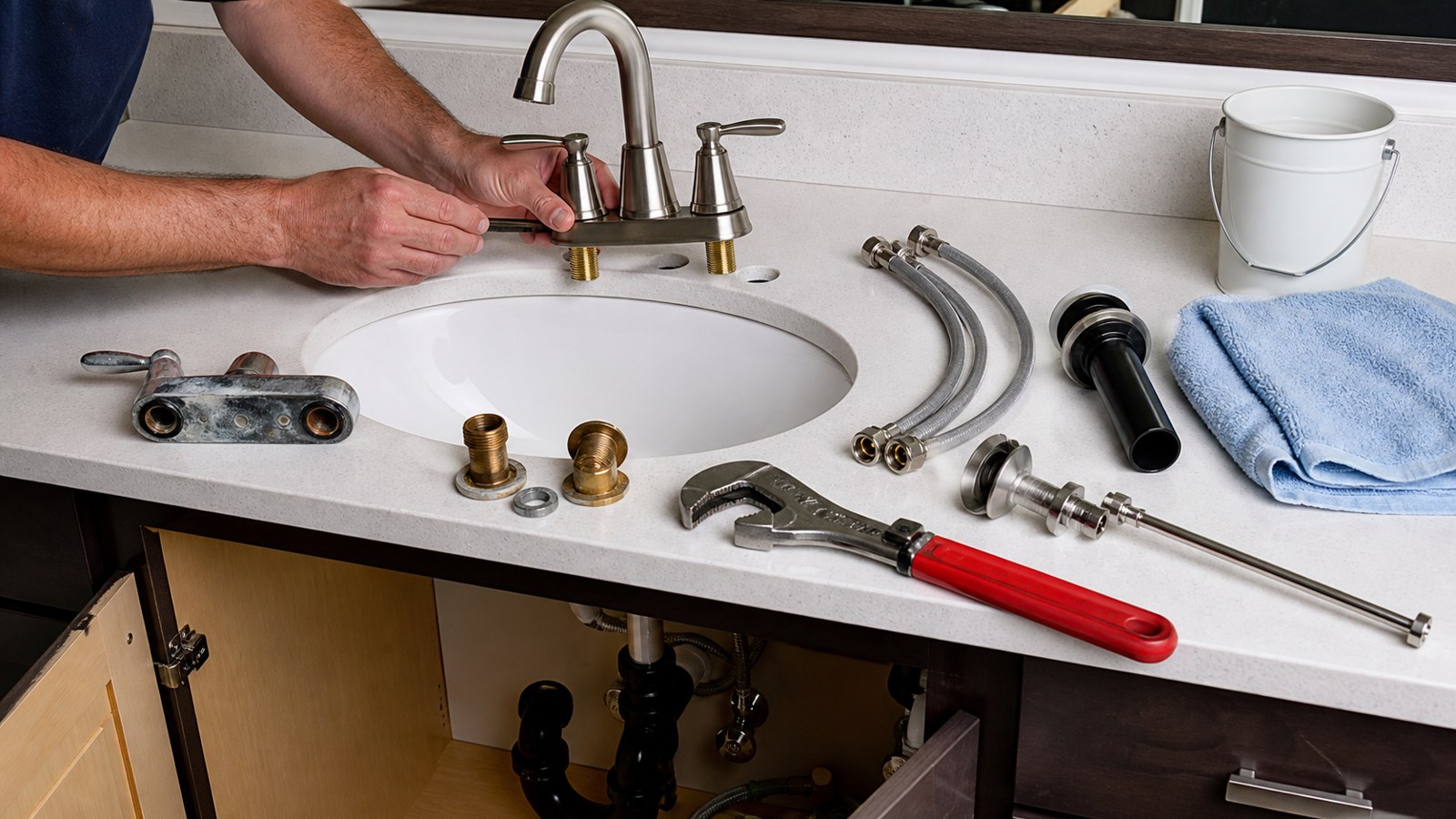
Faucets usually leak because of worn cartridges, washers, seals, O-rings, or seats. The repair depends on the faucet type. Single-handle cartridges, compression faucets, ball faucets, and ceramic disc faucets use different parts.
Shut off water before disassembly and cover the drain so small parts do not disappear. Lay parts out in order and take photos. Bring the old cartridge or washer to the store because similar-looking parts may not fit.
Know Toilet Basics
Toilets have a tank side and a bowl side. Common beginner repairs include flappers, fill valves, handles, chains, supply lines, and wax ring symptoms. A running toilet wastes water and is often caused by a bad flapper, wrong chain length, or fill valve issue.
Water around the base is different from water in the tank. Base leaks can mean wax ring failure, condensation, loose bolts, or a cracked toilet. If the floor feels soft, stop and investigate before simply tightening the toilet.
Replace Supply Lines Proactively
Flexible supply lines connect fixtures and appliances to shutoff valves. Old, kinked, corroded, or cracked supply lines can fail suddenly. Replacing questionable lines during a faucet or toilet repair is often smart.
Match length and connection type. Do not twist or stretch the line to make it fit. After installation, turn water on slowly and check both ends with a dry paper towel. Some leaks are too small to see at first glance.
Watch Appliance Connections
Dishwashers, washing machines, ice makers, water heaters, and filtration systems all create plumbing risk because they combine water with hidden connections or moving appliances. Hoses, valves, and fittings should be visible enough to inspect.
Replace old washing machine hoses, keep appliance pans or leak sensors where appropriate, and know how to shut off each appliance. If moving an appliance strains a line, stop and adjust the connection instead of forcing it back into place.
Prepare for Freezing Weather
Cold climates add another beginner plumbing lesson: pipes can freeze and burst. Exterior hose bibbs, crawl spaces, garages, poorly insulated walls, and vacant homes are common risk areas. Disconnect hoses before freezing weather and know whether your home has frost-proof sillcocks.
Keep vulnerable areas warm enough, seal drafts, and learn where exposed pipes run. If a pipe freezes, do not use open flame to thaw it. If a pipe bursts, shut off water immediately and call for help if the damaged section is not easy and safe to isolate.
Use Plumber’s Tape Correctly
Thread seal tape is useful on certain threaded pipe connections, but it does not belong on every plumbing joint. Compression fittings, flare fittings, and many gasketed connections seal differently. Tape on the wrong joint can interfere with the seal.
When tape is appropriate, wrap it in the correct direction so tightening the fitting does not unwind it. Use only enough to seal the threads. Too much tape can crack fittings or make assembly misleadingly tight.
Know What Caulk Can and Cannot Do
Caulk seals gaps where water might splash, such as around tubs, sinks, backsplashes, and some fixtures. It is not a pipe repair. It should not be used to hide a leak, stabilize a loose fixture, or trap water behind a surface.
Remove failed caulk fully before applying new caulk. Clean and dry the surface. Choose the right sealant for wet areas. If water is coming from behind the caulk line, fix the source before resealing.
Document Before Taking Things Apart
Photos are a beginner’s best plumbing helper. Take pictures before loosening fittings, removing traps, opening faucet handles, or moving appliances. The photo helps you return parts to the same orientation and explain the issue if you need help.
Keep notes on valve locations, part numbers, washer sizes, cartridge models, and repairs made. Plumbing becomes easier when the house has a record. Future you will be grateful when the same fixture needs attention again.
Make a Simple Plumbing Map
A basic map can show the main shutoff, water heater, fixture shutoffs, hose bibbs, washing machine valves, appliance connections, cleanouts, sump pump, pressure regulator, and any known problem areas. It does not need to be fancy to be useful.
Walk the house with a flashlight and label what you find. Store the map with home maintenance records or near the main shutoff. During a leak, a clear map can save minutes that matter.
Know When to Call a Plumber
Call a plumber for hidden leaks, water heater work, main line backups, sewer odors that do not resolve, gas lines, frozen burst pipes, old corroded supply pipes, low pressure across the whole house, repeated clogs, or anything requiring permits beyond your comfort level.
Also call when a valve will not shut off, a pipe starts moving in the wall, water damage appears below a fixture, or the repair requires cutting into finished walls without knowing what is inside. Good DIY judgment includes stopping early.
Final Plumbing Basics Review
Beginner plumbing starts with control: know the shutoffs, understand supply versus drain, identify pipe materials, use the right tools, and test every repair before walking away. Small habits prevent large water damage.
Work slowly, keep towels and a bucket nearby, take photos, avoid overtightening, and respect any problem that spreads beyond one fixture. When the system is understood, simple maintenance becomes manageable and bigger plumbing risks are easier to recognize before they become emergencies.