Useful DIY plumbing is not about taking risks behind walls. It is about knowing how to stop water, recognize a simple visible repair, clean a fixture, replace a worn part, and test the work before a small issue becomes damage. The best homeowner repairs are isolated, accessible, and easy to verify.
A careful homeowner can handle many small plumbing tasks: toilet parts, faucet aerators, showerheads, visible supply lines, sink traps, loose handles, washer hoses, and basic clog cleanup. The line is just as important as the skill. Hidden leaks, sewer backups, gas water heaters, main lines, and repeated failures belong with a plumber.
A: Consider a documented accessible task such as cleaning a removable aerator or replacing a compatible toilet seal, provided the necessary isolation and testing are understood.
A: Match the flush-valve design and toilet requirements as well as size; attachment and performance settings can differ.
A: No. Follow the fitting's sealing instructions, particularly when a washer, compression feature, or another mechanism provides the seal.
A: Resolve reliable isolation first; a connector change should not begin with an uncontrolled or deteriorated shutoff.
A: Use the fixture maker's approved cleaning approach so screens, seals, and decorative finishes are not damaged.
A: Compare other fixtures and supplies; the head is only one possible restriction in the water path.
A: Stop treating it as a seat-only repair and have the mounting, seal, and floor condition evaluated.
A: Use controlled flow after reassembly, inspect the joints while draining, and check again for seepage before restoring cabinet storage.
A: Keep the installed part's model, instructions, and a note of the fixture it serves so the next replacement is easier to identify.
A: Stop when isolation fails, parts are fragile or incompatible, damage is concealed, several fixtures are affected, or the work exceeds what you can safely verify.
Start With Shutoff Control
Every plumbing repair begins with water control. Find the main shutoff and the fixture stops under sinks, behind toilets, at the washing machine, near the water heater, and at any appliance with a water line. Take photos and label valves that are easy to confuse.
Test shutoffs on a calm day. Old valves can freeze, seep, or fail to close completely. Turn them gently, watch for drips, and do not force a brittle handle. A valve that does not work is its own repair priority because it decides how stressful the next leak becomes.
Before starting any fixture repair, know what you will do if the local stop fails. If the toilet stop will not close, you need the main valve. If the main valve is unreliable, simple plumbing work becomes much less simple.
Replace a Toilet Flapper
A worn flapper can waste water quietly. The toilet may refill at random, run after flushing, or fail a dye test when coloring placed in the tank appears in the bowl. This is one of the best beginner repairs because all the parts are visible.
Turn off the toilet stop, flush to lower tank water, unhook the chain, and remove the old flapper from the flush valve ears. Match the size and style, then install the new flapper so it sits flat. Leave a little chain slack when the handle rests.
After the repair, flush several times and watch the tank. Too much chain tension can hold the flapper open. Too much slack can make the flush weak. A few small adjustments usually solve it.
Adjust or Replace a Toilet Fill Valve
If tank water rises too high, it can spill into the overflow tube and keep the fill valve running. Most modern fill valves have a float cup or adjustment screw. Older ball-float valves adjust differently. The goal is for the tank to stop below the overflow tube and near the marked waterline.
Make small adjustments, then flush and watch a full cycle. Do not force plastic parts. If the valve hisses, sticks, fills slowly, or refuses to shut off after adjustment, replacement is usually better than endless tweaking.
When replacing a fill valve, sponge out the tank, disconnect the supply line, and loosen the locknut carefully so the tank is not stressed. Set the new valve height according to the instructions and check below the tank for drips after several flushes.
Clean a Faucet Aerator
Weak or uneven flow at one sink is often caused by sediment in the aerator. Unscrew the aerator by hand or with the proper tool. Protect the finish if pliers are needed. Lay the screen, washer, and housing on a towel in order.
Rinse grit, brush mineral buildup, and soak parts only if the finish and material allow it. Reassemble gently and run both hot and cold water. If flow improves, the repair cost almost nothing.
If only hot or only cold remains weak, the issue may be in the stop valve, supply line, cartridge, or faucet body. That pattern matters because it tells you the aerator was not the only restriction.
Swap a Showerhead
Replacing a showerhead is simple, but the wall connection deserves care. Hold the shower arm steady so twisting force does not transfer into the wall. Remove the old head, clean the threads, and remove old tape or debris.
Install the new head according to its instructions. Some showerheads seal with a washer and need little or no tape. Hand-tighten first, then test. If a small leak appears at the threads, tighten slightly or redo the seal.
Do not crank down on the shower arm. A visible drip at the head is easy to fix. A cracked fitting behind the wall is not.
Replace a Visible Supply Line
Flexible supply lines under sinks and behind toilets can age, kink, corrode at the braid, or leak near the crimp. Replacing a visible connector is reasonable when the shutoff works and the connection is accessible.
Measure the line, note the connector sizes, and buy a replacement that routes without twisting, stretching, or rubbing against sharp edges. Turn off the valve, relieve pressure, place a towel below the connection, and remove the old line.
The rubber washer inside the connector does the sealing. Overtightening can damage it. After turning water back on, dry the area and check again later with a tissue or paper towel.
Open and Clean a Sink Trap
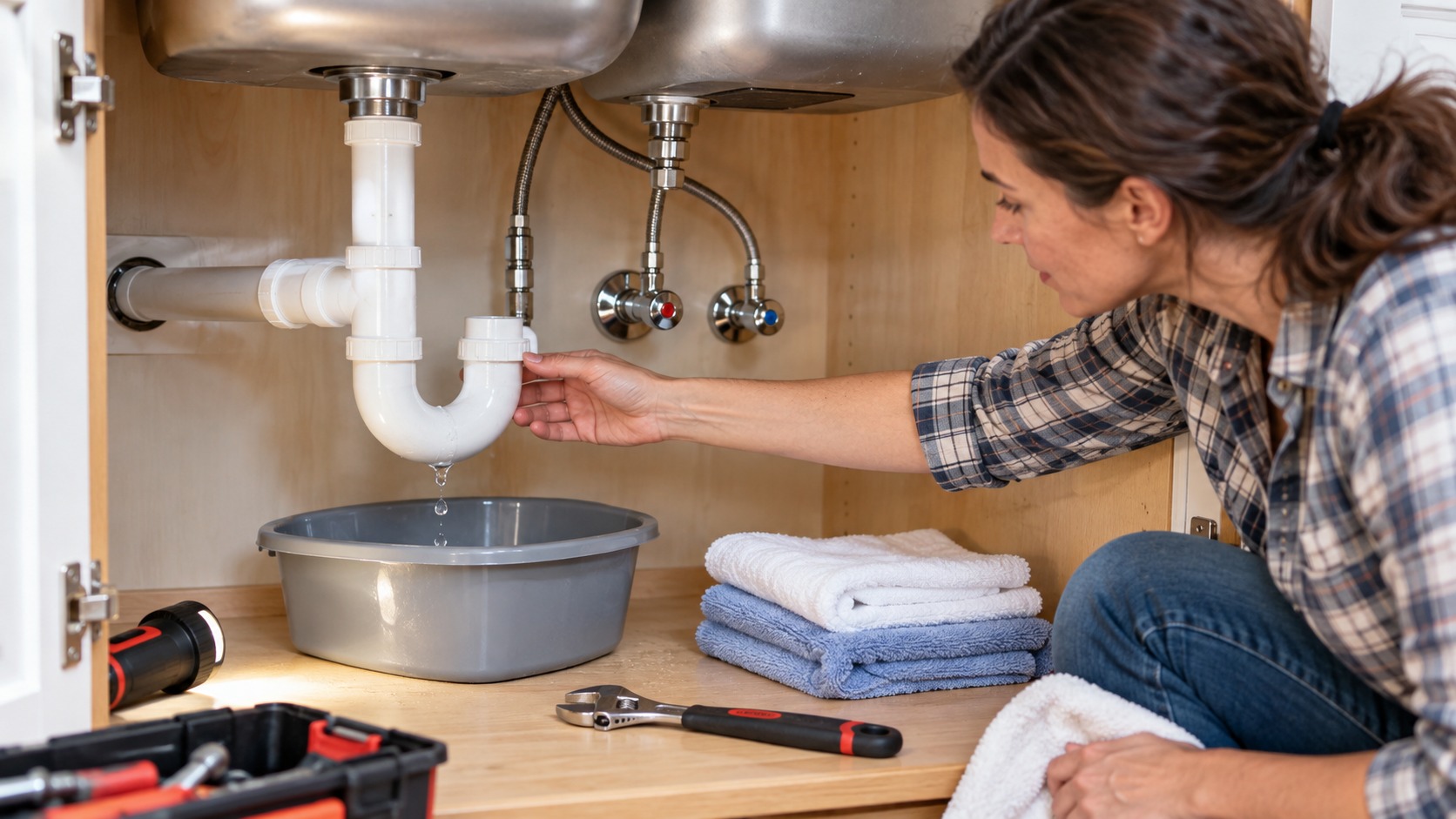
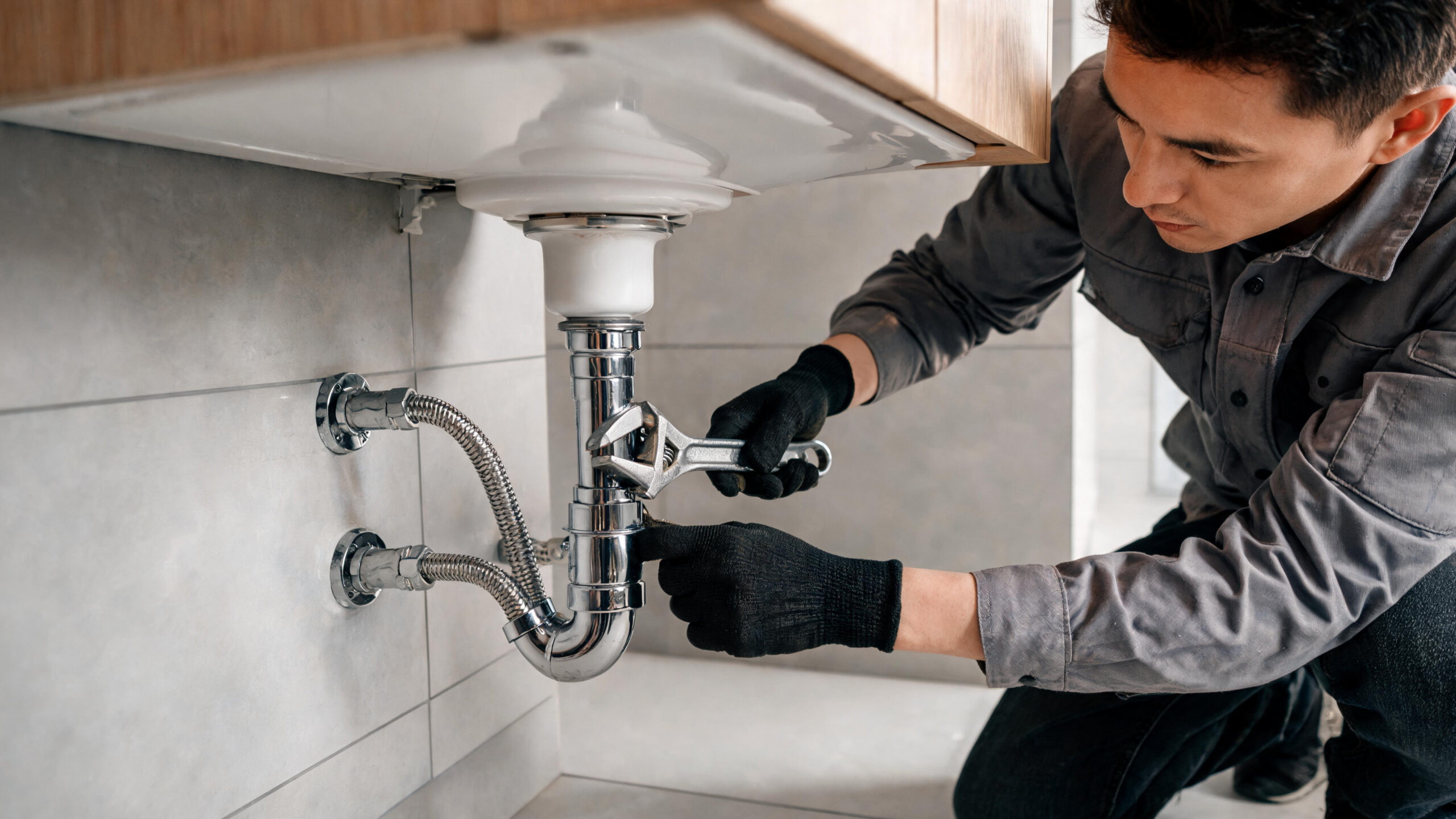
A sink trap collects sludge, hair, grease, and small lost objects. Put a bucket below it before loosening anything. Take a photo so the trap, wall arm, nuts, and washers go back in the right order.
Plastic slip-joint nuts usually need hand pressure plus a modest final snug. Crushing them can create leaks. Clean the trap outside the cabinet, then check the wall arm for buildup before reassembling.
After reassembly, fill the basin and release it all at once. That test checks drainage and leaks better than a slow trickle. Wipe the trap dry and check again after a few minutes.
Clear a Bathroom Sink Stopper
Many bathroom sink clogs sit around the stopper before they reach the trap. Hair and soap collect around the stopper body and pivot rod. Depending on the drain style, you may lift the stopper directly or loosen the pivot rod behind the drain.
Work slowly and keep a towel under the area. Clean the stopper, wipe the drain opening, and reassemble the pivot connection if it was removed. Test both drainage and stopper movement.
If the sink drains well but no longer holds water, the stopper linkage needs adjustment. A drain repair is not finished until the fixture works both ways.
Reset a Garbage Disposer Safely
A disposer that hums, jams, or stops should be handled with power safety first. Turn off the switch and, when appropriate, unplug the unit or turn off the breaker. Never put your hand inside the disposer.
Use the manufacturer’s wrench socket underneath if the model has one. Use tongs only for visible loose objects when power is safely off. Press the reset button only after the jam is cleared.
If the disposer leaks from the bottom, smells electrical, trips repeatedly, or will not turn after a safe reset, stop. That unit likely needs service or replacement.
Fix a Loose Toilet Seat
A loose toilet seat is simple, but it teaches a useful habit: inspect while you are already there. Most seats are held by bolts hidden under small caps. Tighten the nuts underneath while holding the bolt steady above.
If the hardware is corroded or stripped, replacing the seat is easier than fighting old plastic or metal. Do not overtighten and crack the bowl.
While you are at the toilet, check the base, supply valve, tank bolts, and floor. A rocking toilet is not the same as a loose seat. A moving bowl can break the wax seal and damage flooring.
Tighten a Loose Faucet Handle
A loose handle can make a faucet feel broken even when the valve is fine. Look for a set screw under a cap, behind the handle, or along the side. Use the correct hex key or screwdriver so the fastener does not strip.
Tighten gently and confirm the handle moves normally. If it keeps loosening, the screw, adapter, cartridge stem, or handle may be worn. Do not keep forcing it tighter.
When a faucet also drips, grinds, or resists movement, the repair may involve a cartridge or valve part rather than only the handle. Shut off water before going deeper.
Clean a Shower Drain Screen
Hair often collects just below a shower drain screen. Remove the cover according to its style and keep screws away from the drain opening. Pull out hair and buildup with gloves or a small tool.
Avoid scratching the tub or shower finish. Do not push the clog deeper with random objects. After cleaning, run water and watch the drain speed.
If water still stands, the clog may be deeper. If several nearby fixtures are slow, the shower is probably not the whole problem. Stop treating it as a surface clog and consider professional drain service.
Replace Washing Machine Hoses
Washing machine hoses carry pressurized water and can fail suddenly. Turn off both valves, move the machine only as far as the hoses allow, and avoid straining old connections. Have towels ready because water will remain in the hoses.
Install new hoses without kinks or sharp bends. Braided stainless hoses are common upgrades, but they still need proper routing and periodic inspection. Leave enough space behind the machine so the hoses are not crushed.
After reconnecting, turn valves on slowly and check both ends. Run a short cycle and inspect again. A hose replacement is not complete until the area stays dry under pressure.
Check Repairs for Slow Leaks
A plumbing repair can look dry for the first minute and still seep later. After any supply-line, trap, faucet, toilet, or hose repair, dry the area completely and check again with a paper towel. Touch the underside of fittings, not just the cabinet floor.
Look again after the fixture has been used normally. A sink trap may stay dry during a trickle but leak when the basin is filled and released. A toilet supply line may seep only after the valve is reopened fully. Slow checks prevent hidden cabinet and flooring damage.
Treat Water Heaters Conservatively
Homeowners can inspect around a water heater, know where the cold-water shutoff is, and recognize warning signs, but many water heater repairs are not beginner work. Water heaters involve pressure, heat, electricity or gas, and sometimes venting.
Call for help if there is water from the tank, repeated relief valve discharge, scorch marks, gas odor, breaker trips, rusted fittings, or water near wiring. Do not ignore a pan that keeps filling. The safe repair is often stopping water and calling service, not experimenting at the heater.
Document Fixture Parts
Plumbing repairs get easier when you know what you own. Take photos of faucet brands, toilet model numbers, supply-line sizes, showerhead connections, washer hose lengths, and shutoff locations. Save manuals when you have them.
That information helps at the hardware store and helps a plumber if the repair grows. It also prevents buying three almost-right parts when one correct part would have solved the issue.
Know the Repairs to Avoid
Some plumbing work is not a good DIY starting point. Avoid hidden pipe repairs, main line work, sewer backups, gas water heater work, soldering near combustible materials, work inside walls, and anything involving unknown pipe materials or active water damage.
Also stop when valves fail, threads are damaged, corrosion is severe, water appears under flooring, or a repair changes from visible parts to concealed plumbing. The cost of calling a plumber is often lower than the cost of opening a wall after a mistake.
DIY plumbing should reduce risk, not create it. A careful stop line is part of being handy.
Build a Basic Plumbing Kit
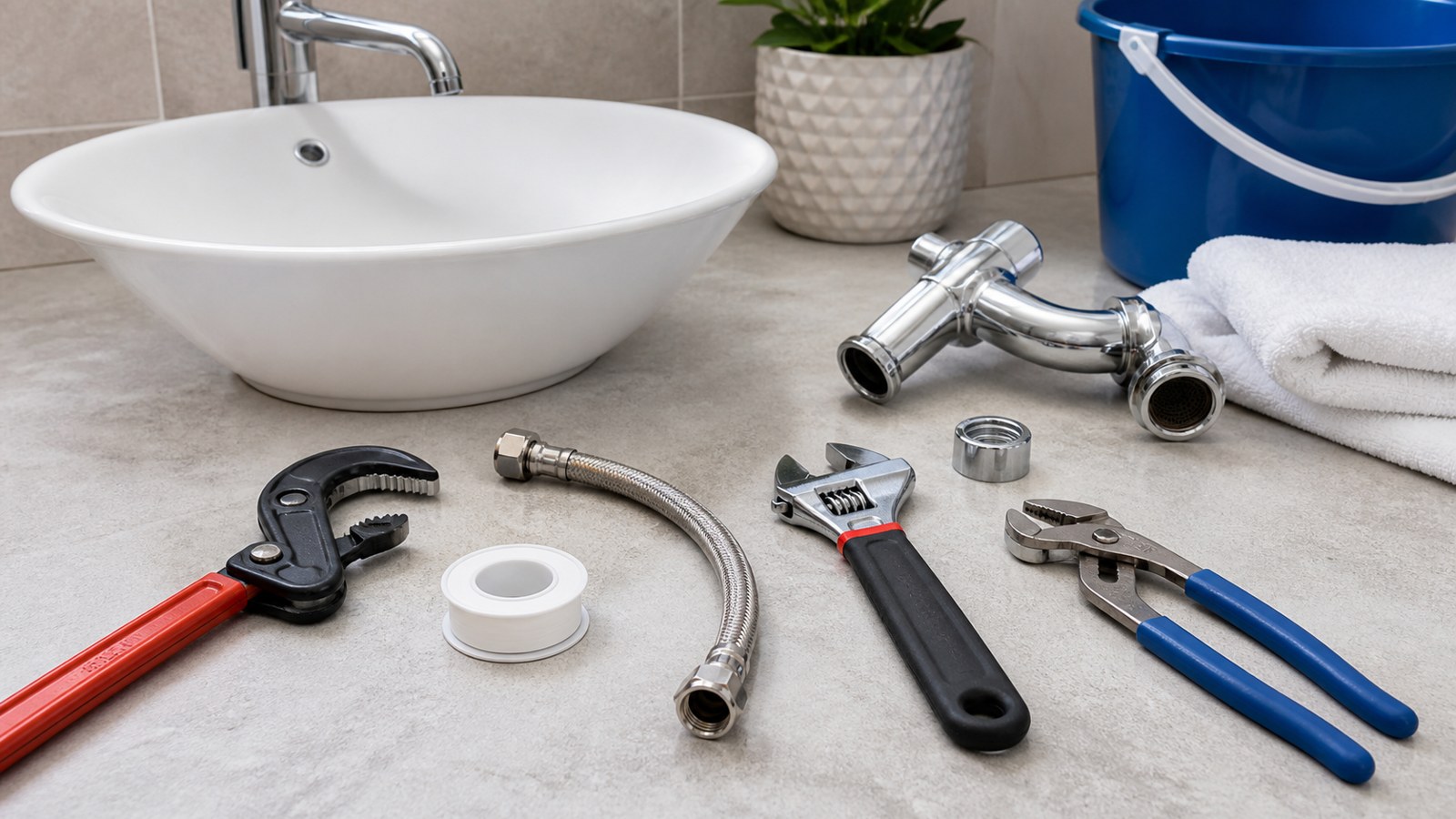
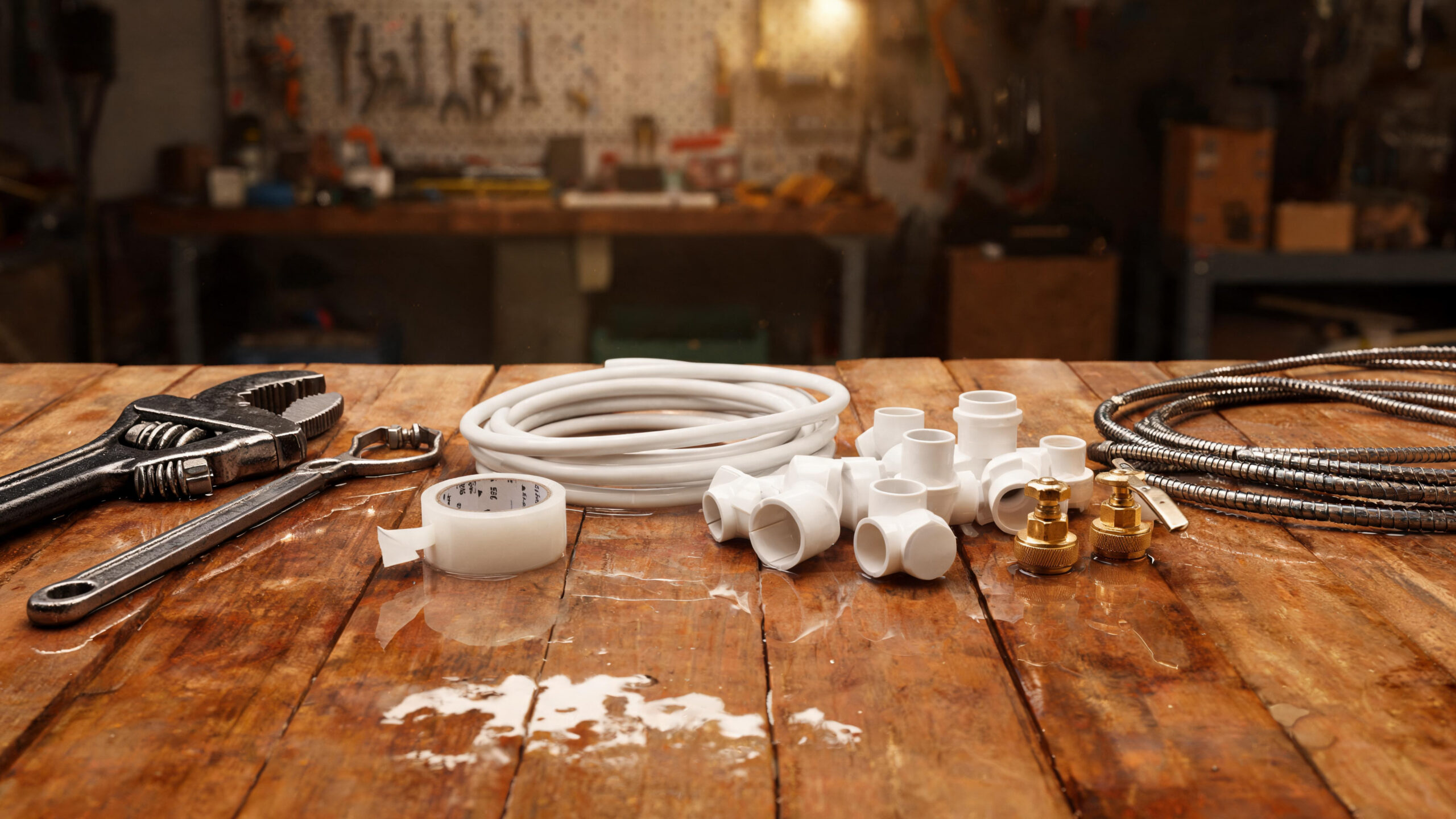
A small plumbing kit can handle many visible repairs. Include adjustable pliers, an adjustable wrench, basin wrench, bucket, towels, flashlight, plumber’s tape, replacement washers, a small drain tool, gloves, a utility knife, and a few common supply lines or toilet parts if your fixtures use them.
Keep model numbers and photos for faucets, toilets, showerheads, and appliances. Plumbing aisles are much easier when you know the part size and fixture brand before you arrive.
Store plumbing tools where they can be found during a leak. A shutoff photo and a bucket are more useful in an emergency than a perfect tool collection buried in the garage.
Final DIY Plumbing Review
The plumbing repairs every homeowner should know are visible, isolated, and testable. Find shutoffs, replace toilet parts, clean aerators, swap showerheads, replace accessible supply lines, clean traps, clear simple drain screens, and inspect washer hoses.
The bigger skill is judgment. Stop when water cannot be controlled, the problem is hidden, corrosion is severe, multiple fixtures are affected, or safety is uncertain. Good DIY plumbing keeps simple repairs simple and brings in a plumber before a small problem becomes damage.