Most homes should have professional HVAC service at least once a year, but that answer is only the starting point. A heat pump that runs in both summer and winter, a gas furnace that needs combustion checks, an older system with repair history, or a dusty home with pets may need attention more often.
The right schedule should match the equipment, climate, runtime, safety risk, warranty expectations, and how much trouble the system has already shown. Good service timing is not about collecting stickers on the furnace cabinet; it is about catching wear before the house needs heating or cooling most.
A: It is a common baseline, but the manufacturer's guidance, equipment type, conditions, and service findings determine the appropriate plan.
A: It can serve both heating and cooling, so seasonal checks can evaluate each mode before its busiest period.
A: Confirm the written scope; equipment inspected during one seasonal visit may not include every cooling task.
A: Not necessarily. Discuss unusual loading or performance changes while maintaining the prescribed homeowner filter routine.
A: Normal comfort does not replace recommended inspection, especially where safety checks and developing wear are involved.
A: Follow the installation handover and manufacturer requirements, keeping early inspection and commissioning records available.
A: Book an appropriate baseline assessment and use its findings to establish your own schedule.
A: Compare the actual per-unit visit scopes, included work, exclusions, booking terms, and any repair benefits rather than price and visit count alone.
A: Active symptoms such as recurring shutdowns, icing, abnormal odors, water near electrical equipment, or other safety concerns need prompt appropriate attention.
A: Use the equipment guidance and documented findings, with any recommended follow-up date and seasonal demand clearly recorded.
Use Once a Year as the Minimum
Annual service is the basic baseline for most HVAC systems. It gives a technician a chance to inspect electrical components, airflow, filters, drains, coils, motors, controls, thermostat operation, and visible wear before small issues become seasonal emergencies.
Skipping a year may not create an instant failure, but it removes the opportunity to spot gradual changes. HVAC problems often build quietly: a capacitor weakens, a blower wheel gets dirty, a drain starts clogging, a contactor wears, or a furnace ignition sequence becomes less reliable. Annual service creates a record of those changes.
Twice a Year Is Often the Better Schedule
Many homes are better served by two visits: one before cooling season and one before heating season. Air conditioning and heating stress different parts of the system. A spring visit can focus on cooling performance, condensate drainage, outdoor coil condition, refrigerant clues, and airflow. A fall visit can focus on heat operation, combustion safety, ignition, defrost, auxiliary heat, and safeties depending on the equipment.
This schedule is especially sensible when the system runs hard, the home depends on reliable heat during freezing weather, or the equipment has both cooling and fuel-burning heating components. The point is not more appointments for their own sake. The point is checking each mode before it becomes urgent.
Heat Pumps Usually Deserve Two Visits
A heat pump may run during both cooling and heating seasons, so it often works more months of the year than a straight air conditioner. Outdoor coils, reversing operation, defrost control, refrigerant behavior, blower airflow, and backup heat all affect comfort and efficiency.
If the heat pump is the home’s primary heat source, schedule service before cold weather. A fall visit gives time to catch defrost problems, auxiliary heat issues, weak airflow, or unusual operation before the system is asked to carry the house through winter.
Gas, Oil, and Propane Furnaces Need Safety Checks
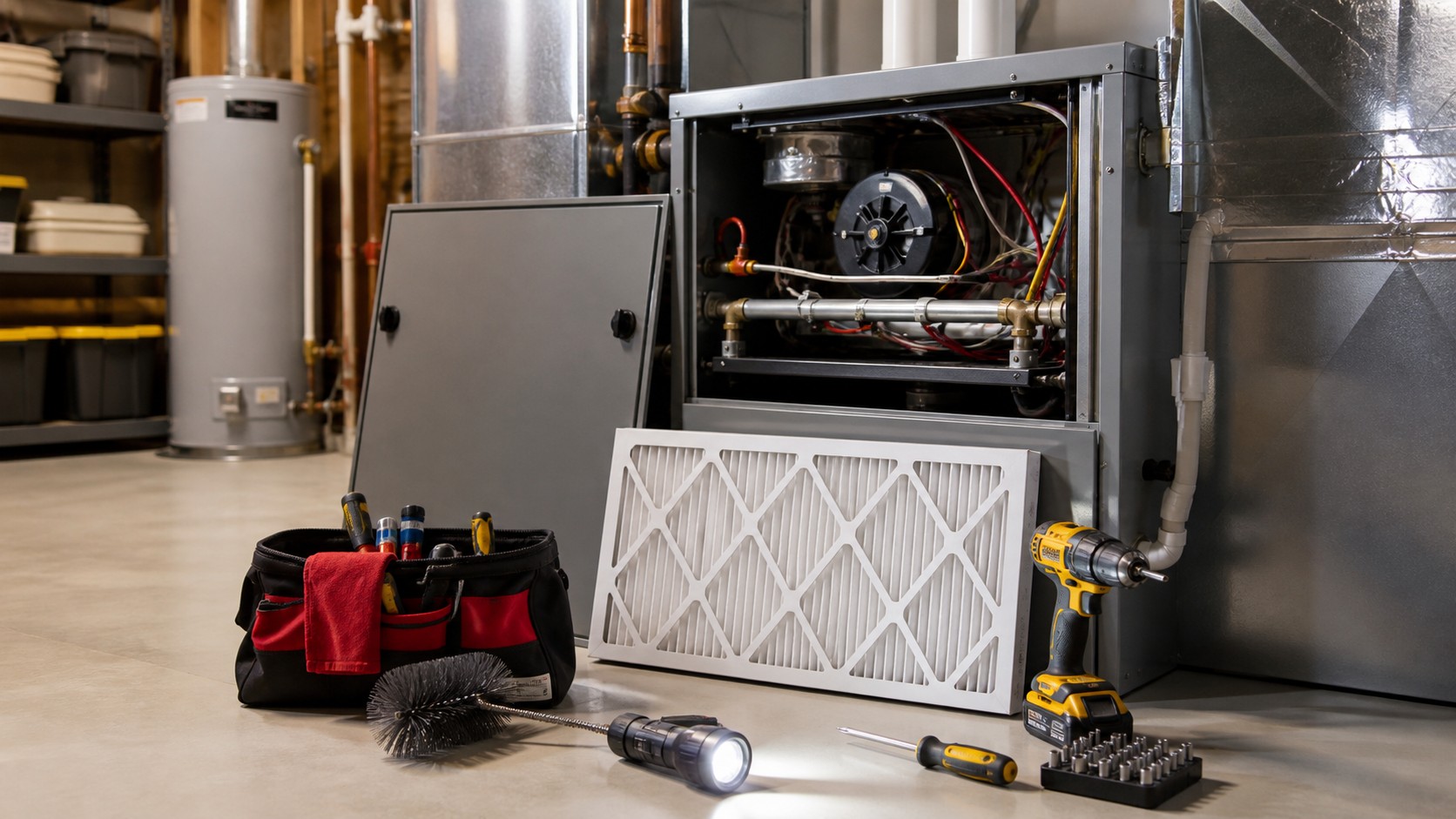
Fuel-burning equipment brings safety concerns beyond comfort. Burners, ignition, flame behavior, venting, rollout protection, gas pressure, heat exchanger condition, and carbon monoxide risk are not homeowner guesswork items. They deserve trained inspection.
A homeowner can change filters, keep the area clear, and notice symptoms, but combustion safety belongs in professional service. For gas, oil, or propane heat, yearly professional inspection should be treated as a minimum. In many homes, a fall service visit is the most logical timing.
Central Air Alone May Need Spring Service
If the home has a separate air conditioner that rests through winter, spring service is usually the best timing. That appointment can check the outdoor unit, indoor coil clues, blower performance, refrigerant-side indicators, wiring, capacitors, contactors, thermostat cooling call, and condensate drainage before hot weather arrives.
Waiting until the first heat wave is a bad strategy. Contractors are busiest when everyone’s air conditioner fails at once, and a minor issue can become uncomfortable quickly. Spring service gives more scheduling flexibility and fewer emergency decisions.
Older Systems Need Closer Monitoring
Age changes the maintenance conversation. Motors, capacitors, bearings, contactors, control boards, burners, inducer assemblies, blower wheels, coils, and heat exchangers all live through heat, vibration, dust, moisture, and electrical stress. The older the system gets, the more valuable a documented service history becomes.
An older unit may not need replacement just because it is old, but service should include planning. Ask what parts are showing wear, whether efficiency or airflow has changed, and whether repair money still makes sense. Maintenance is also a budgeting tool.
New Systems Still Need Early Service
A new HVAC system is not maintenance-free. Installation details, thermostat setup, drain slope, airflow balance, filter choice, duct restrictions, and early part issues can show up during the first year. Early service helps confirm that the system is operating the way it was intended to operate.
Ask the installer what schedule protects the warranty and when the first service should happen. Keep records from the beginning. A clean first-year baseline makes later changes easier to recognize.
Dust, Pets, and Remodeling Can Shorten the Interval
Homes with pets, heavy dust, woodworking, nearby construction, dirt roads, open windows, or frequent remodeling can load filters and coils faster than a standard schedule assumes. Dust affects airflow, heat transfer, blower cleanliness, and indoor comfort.
That does not always mean professional service every time a filter looks dirty. It does mean filters should be checked more often, and the homeowner should be quicker to schedule inspection if airflow drops, coils get dirty, or dust keeps returning around registers.
Filter Changes Are Not Full Service
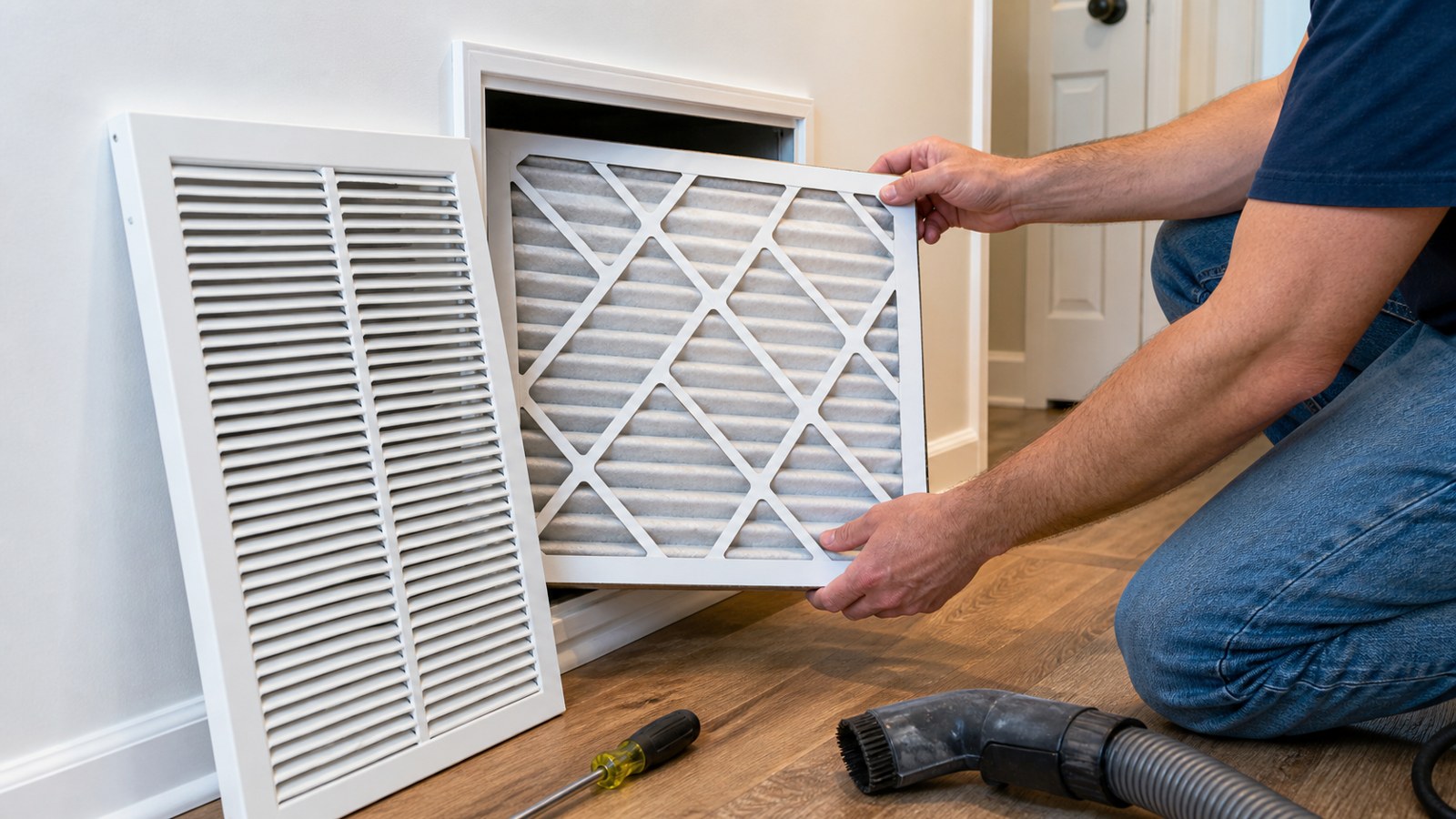
Changing the filter is important, but it is not the same as HVAC service. A clean filter does not test electrical parts, inspect condensate drains, evaluate combustion, check blower condition, verify safeties, inspect coils, or catch developing mechanical wear.
Think of filter changes as between-visit maintenance. They help protect the system, and they make professional service more effective, but they do not replace a trained inspection. A system can have a new filter and still be operating poorly.
Climate Changes the Calendar
A system in a mild climate may rest for long periods. A system in a hot, humid, cold, dusty, coastal, or wildfire-prone region may run hard for months. Runtime matters because wear accumulates with use, not just with age.
Service should happen before the hardest season. In a cooling-heavy climate, spring matters. In a heating-heavy climate, fall matters. In a home with both heavy cooling and heavy heating, two visits are easier to justify.
Humidity Makes Drainage More Important
Air conditioners and heat pumps remove moisture as they cool. In humid climates, condensate drains, pans, pumps, float switches, and wet indoor coils deserve close attention. A clogged drain can shut the system down or send water into ceilings, walls, or floors.
If the home has had drain backups before, do not wait two years between checks. Drain maintenance is one of the clearest reasons a cooling system may need seasonal attention even when it seems to cool normally.
Warranty Requirements May Set the Floor
Some equipment warranties expect regular maintenance. The details vary, but service records are valuable even when the warranty language is not strict. If a major part fails, documentation can help show that the system was not neglected.
Save invoices, dates, findings, filter sizes, and recommended repairs. A folder or digital note is enough if it is easy to find. Warranty protection is not the only reason to keep records, but it is a good one.
Symptoms Override the Calendar
The schedule is for prevention. Active symptoms need attention now. Do not wait for the next planned visit if the system has ice, repeated breaker trips, burning odors, gas smell, water near electrical parts, loud mechanical noise, weak airflow, short cycling, or trouble reaching temperature.
Strange behavior is not made safer because a service appointment is already on the calendar. If the system is warning you, the right interval is sooner.
Rental Homes Need a Set Schedule
Rental properties often need scheduled HVAC service because the person using the system may not recognize early warning signs or may not report them quickly. Filters may be neglected, vents may be blocked, and small drainage problems may go unnoticed until damage appears.
Landlords should create a maintenance schedule that does not depend entirely on tenant memory. Regular service protects the equipment, the property, and the comfort expectations built into the lease.
Second Homes Need Pre-Season Checks
Vacation homes and seasonal properties can sit empty while problems develop. A dead thermostat battery, clogged drain, failed heat, or tripped breaker may go unnoticed for weeks. In freezing weather or humid climates, that delay can cause expensive damage.
Service before the season of use and before long vacancies. If the house will be empty through winter, confirm heat operation, freeze protection, monitoring, and water-related risks. If it will sit through summer, confirm cooling, drainage, and humidity control.
Air Quality Concerns Can Change the Plan
Allergies, asthma, pets, smoke exposure, and heavy dust may justify more frequent checks. Filters may load faster, blower compartments may get dirty, and homeowners may run the fan more often. The central system is not the whole indoor air quality answer, but it is part of the picture.
During service, ask whether coils, blower surfaces, return air, and filter fit look clean. Pair HVAC maintenance with source control, cleaning, sealing, and room-level filtration when needed. More frequent filter checks may matter more than more professional visits, depending on what the technician finds.
Major Repairs Deserve Follow-Up
If the system recently had a compressor, blower motor, control board, gas valve, heat exchanger, refrigerant repair, or major airflow correction, ask when it should be checked again. A follow-up can confirm the repair is holding under normal load.
Major repairs also affect replacement planning. If expensive failures keep arriving close together, the question may shift from service frequency to whether the equipment is reaching the end of its useful life.
Newly Purchased Homes Need a Baseline Visit
When you buy a home, schedule HVAC service even if the system seems to work. You may not know the filter history, repair history, duct condition, thermostat settings, drain behavior, or whether the prior owner delayed repairs.
A baseline visit tells you the equipment age, visible condition, filter size, service needs, and likely near-term concerns. It also starts your records with facts instead of guesses from the inspection report.
Ask What the Technician Actually Checked
A service visit should leave you with useful information. Depending on the system and season, ask about electrical readings, airflow clues, coil condition, drain function, thermostat operation, visible wear, combustion safety, safeties, filter fit, and any parts worth monitoring.
You do not need to become a technician, but you should understand whether the system is healthy, dirty, marginal, unsafe, or aging. Clear findings make the next service interval easier to choose.
Do Simple Homeowner Checks Between Visits
Between professional appointments, check filters, keep outdoor units clear, listen for new noises, watch for water, keep supply and return vents open, and write down unusual behavior. These checks take little time and help catch problems between scheduled visits.
When you can tell a technician what changed and when, the visit starts with evidence. That can shorten diagnosis and reduce guesswork.
Do Not Overservice a Stable System
More appointments are not always better. A newer system in a mild climate, with clean filters, normal runtime, no fuel-burning concerns, no repair history, and consistently clean service reports may be fine on annual service.
The goal is the right interval, not the most frequent interval. If every visit finds nothing meaningful, the home may not need extra appointments. If every visit finds a developing issue, the system, environment, or service plan needs closer attention.
Budget for Service Before Breakdowns
Planned maintenance is easier to budget than after-hours calls during a heat wave or cold snap. Even when service does not prevent every failure, it can reduce surprise and give you time to plan repairs or replacement.
For older systems, keep a separate repair and replacement fund. Maintenance can extend useful life, but it cannot make equipment last forever. A planned decision is almost always better than choosing a new system while the house is uncomfortable.
Put the Next Visit on the Calendar
The easiest schedule is the one you do not have to remember from scratch. After each service visit, schedule the next one or place a reminder far enough ahead of the busy season. Spring and fall are common because they come before the hardest cooling and heating periods.
If the system is annual-only, choose the season before its most important job. If cooling failure would be the bigger problem, service before summer. If heating failure could risk frozen pipes or safety, service before winter.
Final HVAC Service Frequency Review
Most HVAC systems should be serviced at least once a year. Many homes should use a twice-yearly schedule, especially if they have heat pumps, gas or oil furnaces, older equipment, heavy runtime, dusty conditions, humidity concerns, or a history of repairs.
The right schedule is preventive, documented, and adjusted to the actual house. Use annual service as the floor, add seasonal visits when equipment or climate justifies them, and call sooner whenever symptoms show up between appointments.