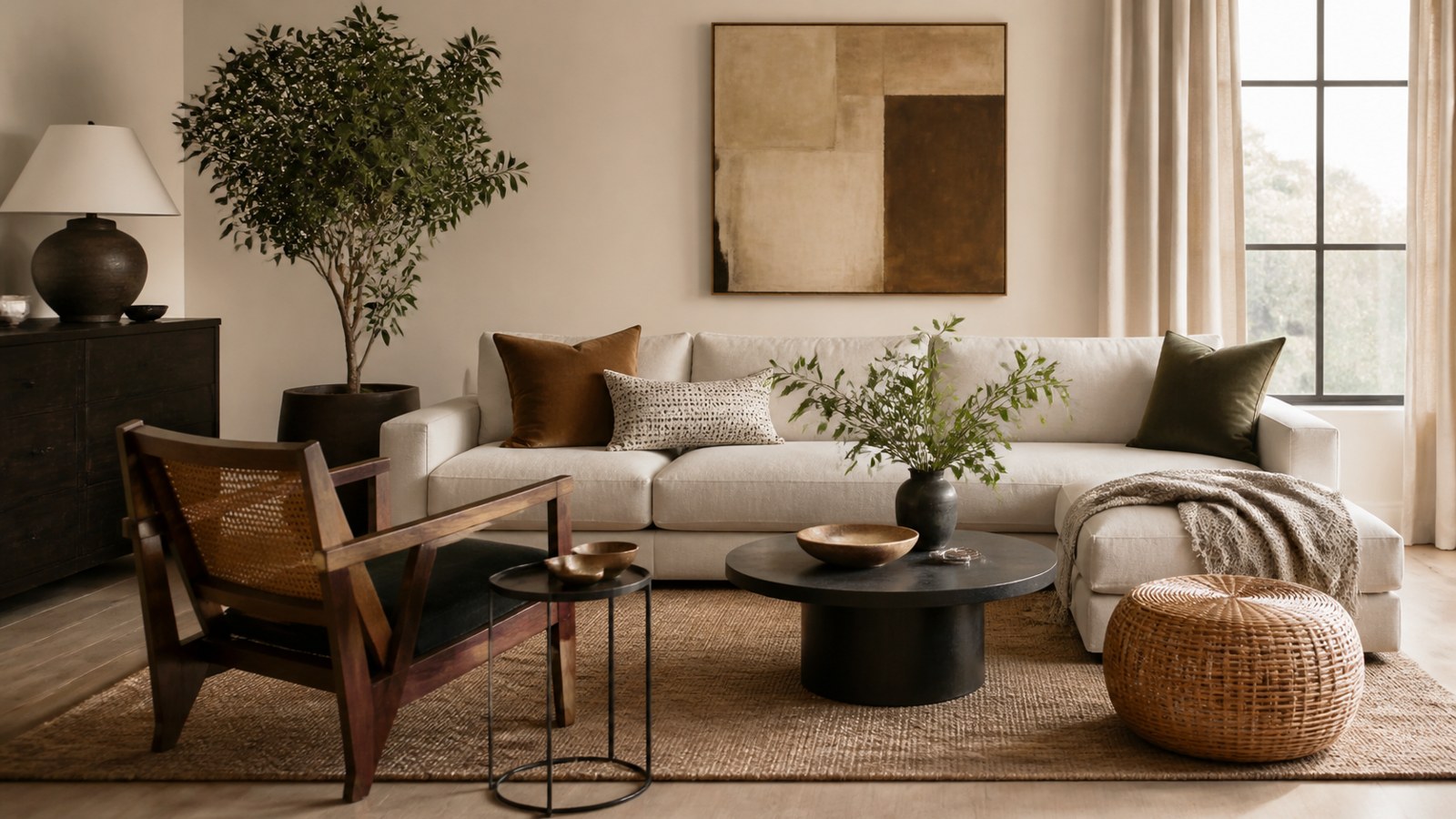
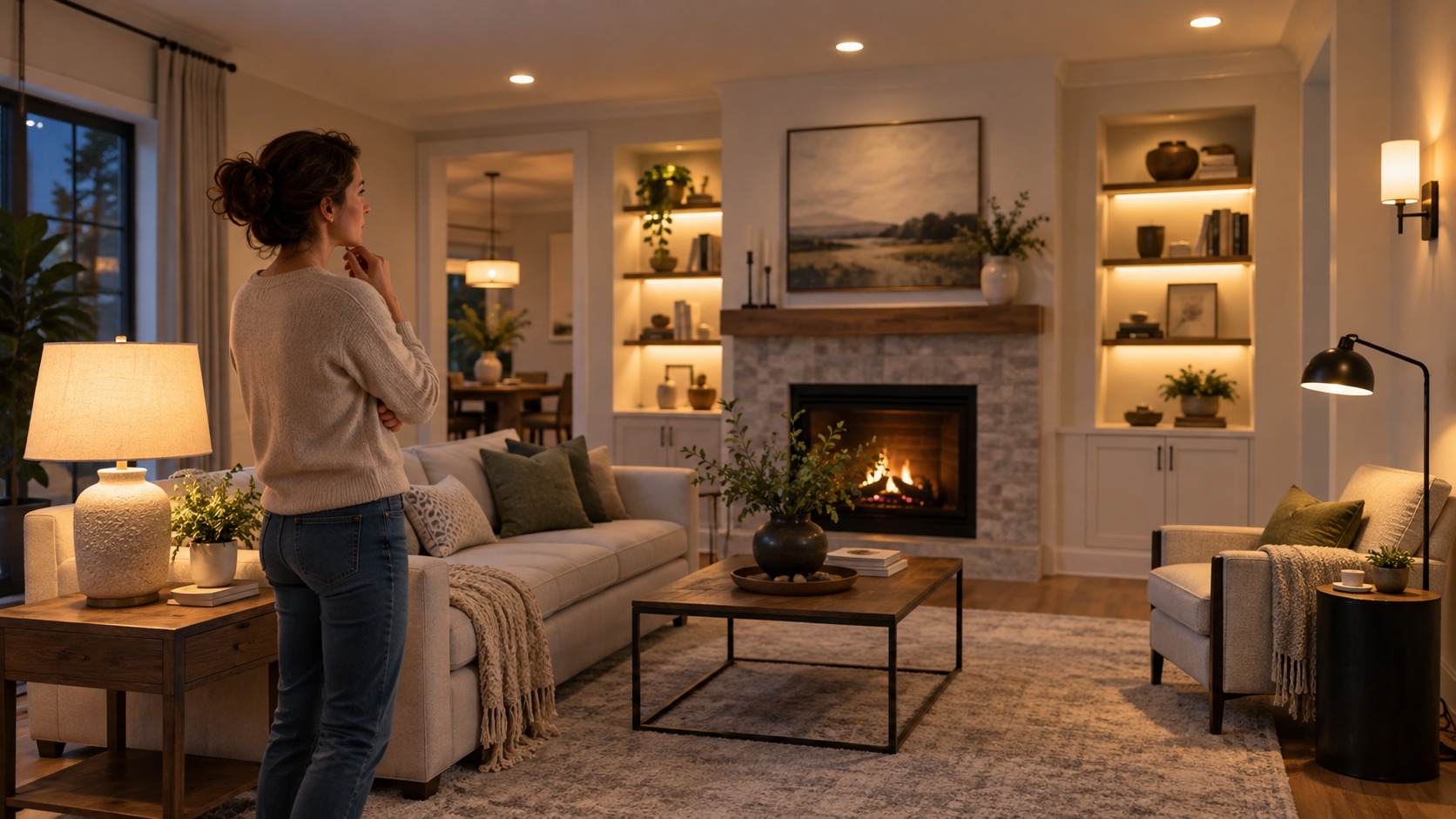
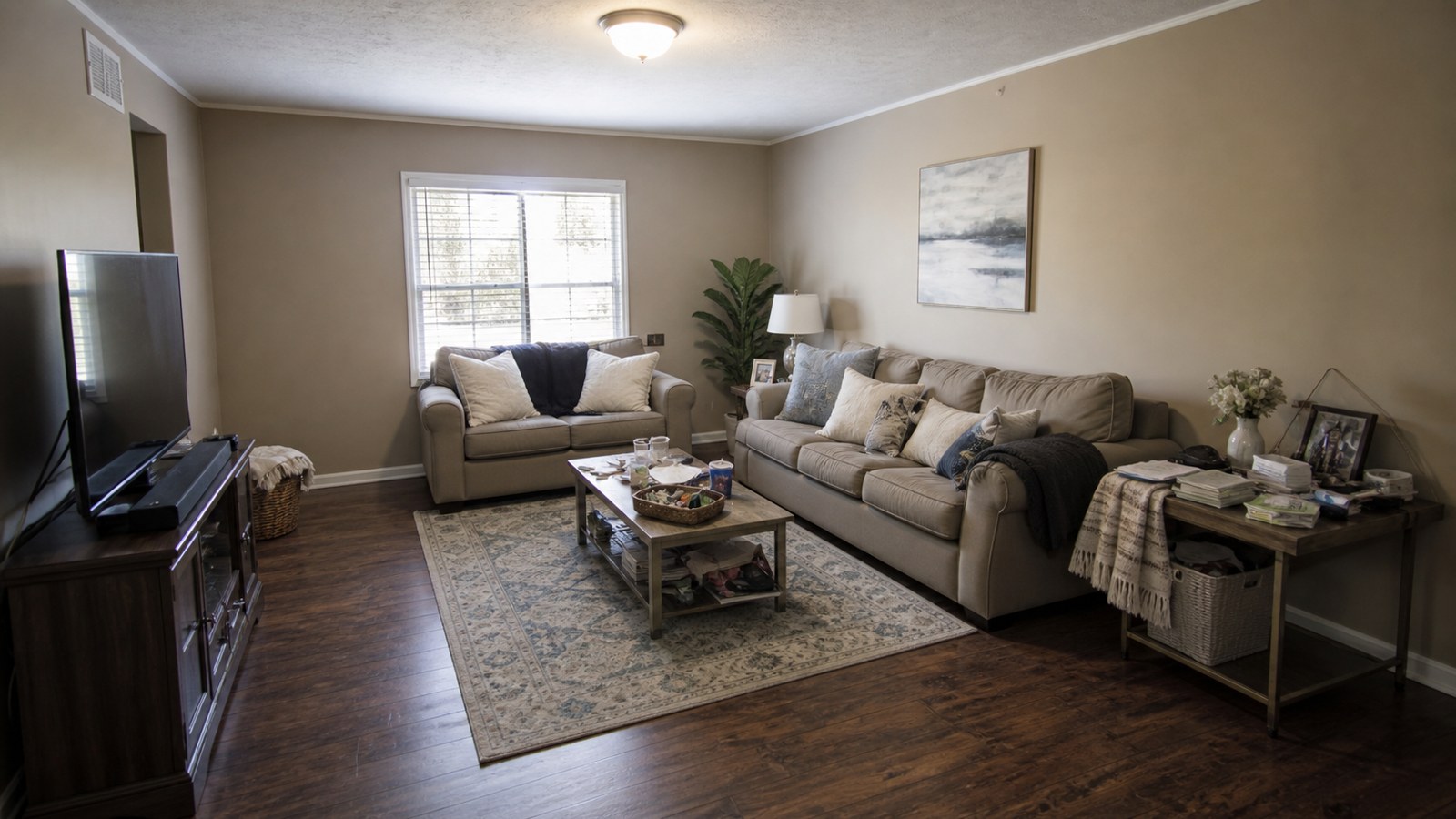
Interior design principles are not rules meant to make every room look the same. They are tools for making choices feel intentional. Scale, balance, proportion, rhythm, contrast, emphasis, and harmony help explain why one room feels calm and complete while another room with nice furniture still feels unfinished.
For homeowners, the goal is not to memorize design vocabulary. The goal is to use these principles in practical ways: choosing furniture that fits, arranging pieces so the room feels stable, repeating colors with purpose, adding contrast where the room feels flat, and leaving enough space for real life. When the basics are understood, decorating becomes less like guessing.
A: Start with function, because the room has to support daily use before style can succeed.
A: Scale is how the size of a piece relates to the room and the people using it.
A: Proportion is how pieces relate to each other inside one arrangement or furniture group.
A: No. Balance means the visual weight feels steady from the main viewpoints.
A: Repeat selected colors, lines, shapes, textures, or materials in a controlled way.
A: Use enough contrast to define the room without making every surface compete.
A: Choose the feature people naturally notice first, then support it with layout and lighting.
A: Empty space gives furniture, art, and walkways room to feel intentional.
A: Yes, if you vary pattern scale and keep the palette connected.
A: The room is finished when function, scale, balance, rhythm, contrast, lighting, and editing all hold together.
Start With Function
Good design begins with how the room is used. A room can follow every visual principle and still fail if it does not support daily life. Before choosing a sofa, rug, paint color, or lamp, decide what the room must do and who uses it most often.
Function includes seating, storage, traffic flow, lighting, durability, privacy, acoustics, and maintenance. A family room with pets and snacks needs different choices than a formal sitting room. A bedroom used for reading needs different lighting than one used only for sleep. A dining room that doubles as homework space needs stronger practical planning than a room used twice a year.
When function comes first, the design has direction. Each later choice can be judged by whether it helps the room work better or only adds visual noise.
Understand Scale
Scale is the size of an object compared with the room and the people using it. A tiny coffee table in front of a large sectional looks weak. A massive sofa in a small room can make every path feel squeezed. A delicate lamp on a heavy console may look lost even if the lamp is attractive by itself.
Use the room’s dimensions to guide choices. Ceiling height, wall length, doorway width, window size, and the amount of open floor all affect scale. Large rooms usually need larger or more substantial pieces. Small rooms need pieces that fit without feeling fragile or underpowered.
Scale also applies to patterns, art, rugs, and lighting. A small print on a large wall may disappear. A chandelier that is too small for a dining table can look accidental. A rug that barely reaches the coffee table can make a seating group feel disconnected.
Use Proportion Within the Furniture Group
Proportion is about how pieces relate to each other. A sofa, chairs, coffee table, side tables, lamps, and rug should feel like they belong in the same conversation. If one piece is much taller, heavier, smaller, or more delicate than the others, the group may feel unsettled.
Check seat heights and table heights. A side table should usually be close to the height of the sofa arm. A coffee table should be comfortable to reach from the seating. Nightstands should relate to mattress height. These small relationships make a room easier to use and better to look at.
Proportion does not mean everything matches. It means the differences feel controlled. A chunky chair can work with a slim sofa if another piece repeats its weight or shape. A tall cabinet can work if the opposite side of the room has enough visual height to balance it.
Create Balance
Balance is the feeling that visual weight is distributed well. A room with all the heavy furniture on one side can feel like it is tipping. Balance can be symmetrical, with matching pieces on both sides, or asymmetrical, with different pieces carrying similar weight.
Symmetry is useful in bedrooms, formal living rooms, dining rooms, entries, and spaces with a strong center. Matching lamps, nightstands, chairs, or artwork can make a room feel calm quickly. Asymmetry feels more relaxed and collected, but it still needs intention.
Visual weight comes from size, color, texture, height, shape, and contrast. A dark chair can feel heavier than a pale chair of the same size. A tall plant can balance a floor lamp. A large artwork can balance a cabinet. Train your eye to read weight, not just measurements.
Build Rhythm Through Repetition
Rhythm is what moves the eye through a room. Repetition creates rhythm by bringing back a color, shape, material, or texture in more than one place. Without rhythm, a room can feel like a collection of unrelated purchases.
Repeat with variation. A black metal curtain rod, black picture frame, and black lamp base can connect without matching exactly. A warm wood tone can appear in a table, picture frame, and chair leg. A blue from a rug can return in art and a pillow.
Rhythm should be noticeable but not mechanical. Repeating the same item everywhere can feel stiff. Repeating a few related details in different forms feels more natural.
Add Contrast
Contrast keeps a room from feeling flat. It can come from light and dark, rough and smooth, old and new, soft and hard, matte and glossy, warm and cool, or simple and detailed. A room with no contrast may look safe but dull.
Contrast does not have to be extreme. A cream room can gain contrast from wood, linen, brass, black frames, plants, and a textured rug. A dark room can gain contrast from pale art, reflective metal, or warm lamps. The goal is to give the eye something to notice.
Use contrast where the room needs energy. If a space feels too busy, reduce contrast. If it feels sleepy or unfinished, add it in controlled ways. Contrast is most effective when it supports the focal point or the room’s mood.
Choose an Emphasis Point
Emphasis gives a room a main moment. It might be a fireplace, bed, view, artwork, dining table, built-in, chandelier, or seating group. Without emphasis, everything may compete equally and the room can feel restless.
Choose one primary emphasis point in most rooms. A living room may have both a television and fireplace, but one should usually lead. A bedroom usually emphasizes the bed. A dining room often emphasizes the table and light fixture. An entry may emphasize a console and mirror.
Support the emphasis point with layout, lighting, scale, and color. If the focal wall matters, do not clutter it with unrelated pieces. If the view matters, arrange furniture so people can enjoy it. Emphasis is about guiding attention on purpose.
Create Harmony Without Making Everything Match
Harmony means the room feels connected. It does not mean buying a matching set. In fact, too much matching can make a room feel flat or showroom-like. Harmony comes from repeated undertones, compatible materials, related shapes, consistent scale, and a clear mood.
A room can mix modern and traditional pieces if the colors, proportions, or materials connect. A rustic table can work with clean-lined chairs if the wood tone appears elsewhere. A bright artwork can work in a neutral room if one or two accents repeat its color.
When a room feels off, look for the piece that has no relationship to anything else. It may need a companion color, a different location, or removal. Harmony often comes from editing as much as adding.
Use Negative Space
Negative space is the empty area around furniture, art, and objects. It gives the eye a place to rest. Rooms without negative space can feel crowded even when every item is attractive.
Leave room around important pieces. A strong artwork needs wall space around it. A coffee table needs room for use. Shelves need gaps between objects. A seating group needs walking paths. Empty space is not wasted; it is what lets the design breathe.
Small rooms need negative space too. Cramming every corner with storage or decor usually makes a small room feel smaller. Choosing fewer, better-scaled pieces can make the room feel more generous.
Control the Color Palette
Color is one of the easiest ways to create unity, but it needs discipline. Start with fixed finishes, then choose a base color, supporting colors, and accents. If every color appears only once, the room may feel scattered.
Repeat colors in different amounts. A color can appear strongly in a rug, quietly in art, and lightly in a pillow. Neutrals also need coordination. Whites, grays, beiges, and woods have undertones that should work together.
Test colors in the real room. Natural light, artificial light, flooring, trim, and furniture all change how color reads. A principle is only useful if it survives the actual conditions of the room.
Mix Materials Thoughtfully
Materials add depth. Wood, metal, glass, ceramic, stone, leather, linen, wool, velvet, rattan, paper, and plants all bring different qualities. A room with too many similar materials can feel flat. A room with too many unrelated materials can feel chaotic.
Choose a few materials to repeat. Wood can add warmth. Metal can add structure. Fabric can soften. Stone or ceramic can add weight. Plants can bring life. Repeating a material in several places helps the room feel intentional.
Think about maintenance too. A high-gloss table, pale fabric, delicate shade, or rough natural material may be wrong for a room with heavy use. Good design includes how the material will age and clean.
Use Pattern With a Plan
Pattern can make a room feel alive, but it needs structure. A patterned rug, floral pillow, striped curtain, plaid chair, and busy artwork can all be beautiful separately and overwhelming together. The key is to vary scale and repeat color.
Mix large, medium, and small patterns rather than several patterns of the same size. A large botanical print can pair with a small stripe or subtle texture. A geometric rug can work with a softer organic fabric if the colors relate. Pattern mixing feels easier when one pattern clearly leads and the others support it.
Quiet rooms can still use pattern. A tone-on-tone weave, ribbed fabric, small check, or textured wallpaper can add interest without making the palette louder. Pattern is not only about bold color; it is also about movement and surface.
Layer Lighting
Lighting is a design principle because it changes everything else. A room with only overhead light can feel flat, even with good furniture. Layered lighting gives the room function, depth, and mood.
Use ambient light for general visibility, task light for specific activities, and accent light for atmosphere or features. Lamps, sconces, ceiling fixtures, picture lights, under-cabinet lights, and dimmers all serve different roles.
Good lighting also supports balance and emphasis. A lamp can balance a tall cabinet. Picture lighting can emphasize art. A dimmer can change the room’s mood. Light should be planned as part of the design, not added after everything else is done.
Edit the Room
Editing is one of the most important design skills. A room often improves when something is removed, moved, or simplified. Too many small objects, too many colors, too many patterns, or too many furniture pieces can weaken the main idea.
Stand in the doorway and ask what the room is trying to say. If several pieces compete for attention, choose the strongest one and let the others quiet down. If the room feels empty, add scale, texture, or lighting before adding clutter.
Take photos to edit more clearly. Photos reveal uneven balance, awkward height, small rugs, crowded shelves, and disconnected colors. Designers use their eyes, but they also use distance. A photo gives you that distance quickly.
Apply Principles to Real Life
Design principles should make a room more livable, not more precious. A balanced room still needs storage. A harmonious palette still needs durable fabric. A beautiful focal point still needs lighting. A well-scaled layout still needs paths people can use.
Do not sacrifice the household for a principle. If children need toy storage, build it into the room. If pets use the sofa, choose fabric honestly. If someone works in the room every day, task lighting and outlets matter. A room that ignores daily life will not stay beautiful.
The best rooms use principles quietly. They feel good before anyone names why. That is the real value of design basics.
Final Interior Design Principles Review
Before calling a room finished, check function, scale, proportion, balance, rhythm, contrast, emphasis, harmony, negative space, color, materials, lighting, and editing. If something feels wrong, identify which principle is weak rather than buying more decor immediately.
A room may need better scale, more contrast, a clearer focal point, repeated color, softer lighting, or simply fewer objects. Naming the issue makes the solution easier.
Interior design principles are not a formula. They are a way to make decisions with more confidence. Once you understand them, you can bend them on purpose and still create rooms that feel comfortable, personal, and complete.