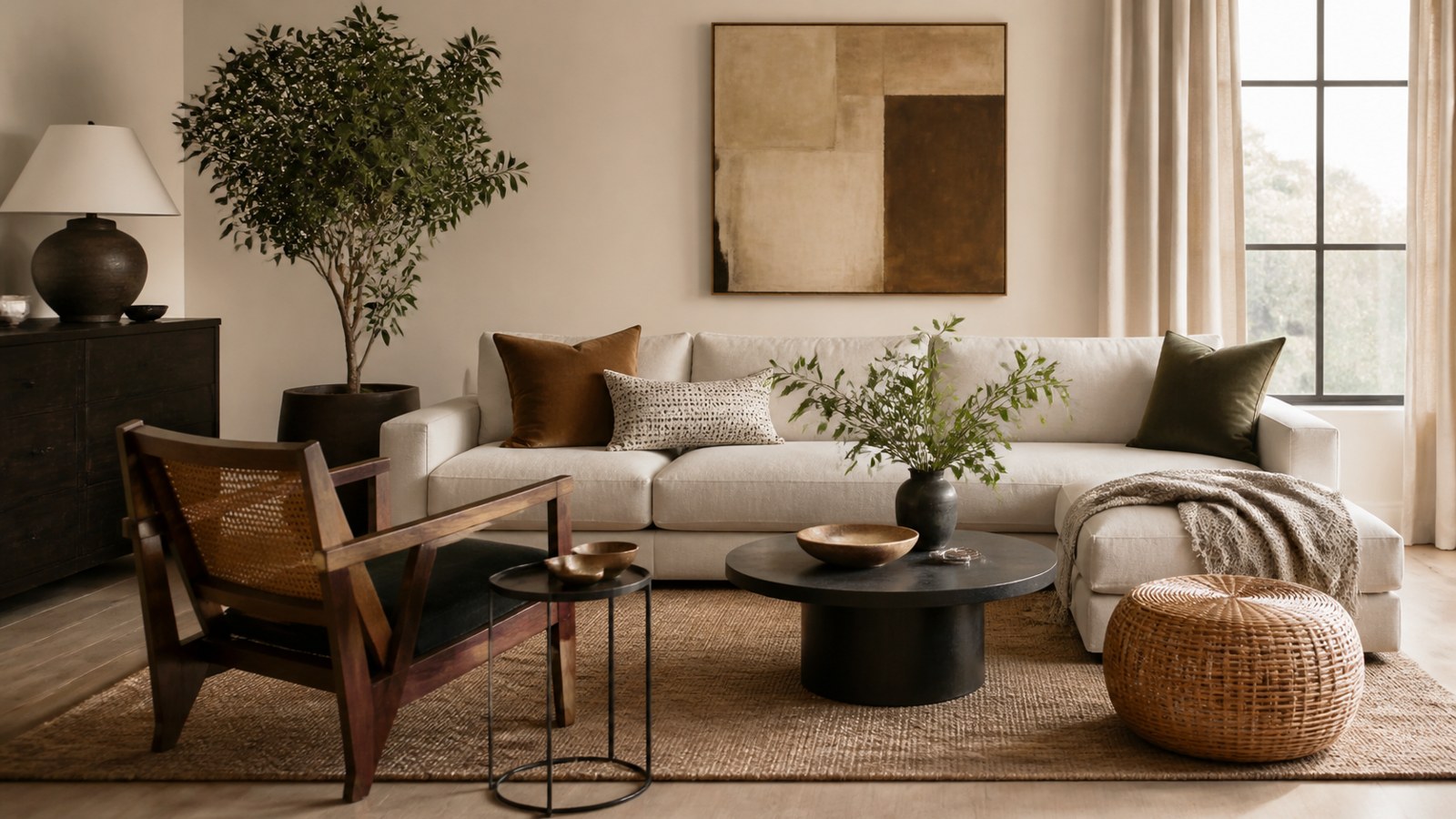
Interior design becomes much less intimidating when you stop treating it like a shopping trip and start treating it like a sequence of decisions. A beginner does not need to know every design term before improving a room. The first step is understanding how the room is used, what must stay, what feels wrong, and which choices will make the space easier to live in.
A good beginner plan moves from practical to decorative: function, measurements, layout, lighting, scale, color, texture, storage, and finishing details. When those basics are handled in order, the room starts to feel pulled together because every piece has a reason to be there.
A: Define the room's function and priority list before buying anything.
A: Measurements prevent furniture, rugs, curtains, and art from looking wrong after purchase.
A: Walk through the room and confirm the main path is comfortable and clear.
A: Use the feature the room naturally emphasizes, then arrange furniture and lighting around it.
A: Start with a simple base, one supporting color, and one accent.
A: Undertones decide whether neutrals look clean together or quietly clash.
A: Combine general light, task light, and accent light for a flexible room.
A: Mix fabric, wood, metal, glass, woven pieces, matte finishes, and soft surfaces.
A: Add them after layout, color, lighting, and storage are under control.
A: The room should be easy to use, easy to move through, balanced, comfortable, and personal.
Begin With Function
Function is the reason the room exists. Before choosing a paint color, rug, sofa, lamp, or artwork, decide what the room needs to do. A living room may need conversation, television, toy storage, reading light, and a place for drinks. A bedroom may need sleep, clothing storage, bedside lighting, and a calm feeling. A home office may need focus, video-call light, files, and power.
Write down the room’s main jobs. Then write down what currently makes those jobs harder. Maybe the room has no storage, the seating faces the wrong direction, the light is too dim, or the furniture is too large. Those problems should guide the design more than a trend photo.
Beginners often skip this step because buying decor feels more exciting. But a room that does not function will not feel designed for long. Function gives every later choice a purpose.
Set a Simple Priority List
Most rooms have more possible improvements than the budget can handle at once. A priority list keeps the project from turning into scattered purchases. Separate needs from wants. A broken layout, missing storage, poor lighting, or worn-out sofa may matter more than new accessories.
Choose the top three improvements that would change daily life the most. For one room, that might be a better rug, brighter reading light, and closed storage. For another, it might be paint, curtains, and a smaller coffee table. Priorities make shopping less reactive.
This also helps avoid the half-finished feeling. When the important pieces are handled first, the room can function while the smaller decorative layers are added over time.
Measure Everything
Measurements protect you from expensive mistakes. Measure wall lengths, ceiling height, doorways, windows, closets, outlets, vents, radiators, and the path furniture must travel to reach the room. Measure existing furniture too, especially pieces that will stay.
Keep the measurements in your phone or notebook. When you find a table, sofa, cabinet, rug, or bed you like, compare it to the actual room before buying. A piece can look perfect online and still be wrong by six inches.
Use painter’s tape to mark furniture footprints on the floor. Walk around the tape, open doors, pull out drawers, and sit where people will sit. This simple test teaches more than guessing from a product photo.
Solve the Layout Before Decorating
Layout is the arrangement of furniture and open space. A good layout lets people enter, move, sit, reach tables, open storage, and use the room without awkward detours. The layout should support the room’s main function before it tries to look impressive.
Start with the largest pieces. In a bedroom, place the bed first. In a living room, place the sofa or main seating. In a dining room, place the table. In an office, place the desk. Once the large pieces make sense, smaller pieces are easier to choose.
Do not push every piece against the wall automatically. In some rooms that works. In others, pulling seating inward creates a better conversation area. The best layout is the one that fits the room’s shape and daily use.
Respect Traffic Paths
Traffic paths are the spaces people use to move through the room. They matter as much as the furniture. A beautiful chair in the wrong path becomes annoying every day. A coffee table that is too close to the sofa makes the room feel cramped. A dresser that blocks a closet is a layout problem, not a storage solution.
Walk through the room as you normally would. Notice the path from door to seat, seat to table, bed to closet, kitchen to dining area, or hallway to exterior door. Keep these paths clear and natural.
Small rooms may not have wide paths everywhere, but the main routes should still feel intentional. If a room feels hard to move through, remove or resize furniture before adding more decor.
Learn Scale and Proportion
Scale is the size of something compared with the room. Proportion is how pieces relate to each other. Beginners often struggle here because a piece that looks normal in a store may feel huge at home. The room decides what scale works.
A large room can handle bigger furniture, larger art, taller lamps, and more substantial rugs. A small room may need slimmer arms, lower profiles, raised legs, or fewer pieces. A tiny rug under a big sofa usually looks wrong because the scale is off.
Proportion matters in everyday details. A side table should be useful beside the sofa arm. A nightstand should relate to mattress height. A coffee table should be reachable from seating. These relationships make the room look better and work better.
Choose a Focal Point
A focal point is the place the room naturally emphasizes. It might be a fireplace, window view, bed, television, artwork, dining table, built-in shelves, or the seating group itself. A room without a focal point can feel scattered because nothing has visual priority.
Choose the focal point based on how the room is used. If the television is used every night, plan for it honestly. If the room has a beautiful window, let the layout acknowledge it. If the bed is the main piece, make the bed wall feel intentional.
Once the focal point is chosen, support it with furniture placement, lighting, art, and scale. Avoid adding several unrelated focal points that compete for attention.
Build a Simple Color Palette
A beginner-friendly palette usually has a base color, one or two supporting colors, and a small accent. The base may be walls, large upholstery, flooring, or cabinetry. Supporting colors show up in rugs, curtains, bedding, chairs, or art. Accents appear in smaller pieces.
Start with fixed finishes: floors, tile, countertops, trim, cabinets, or furniture that will stay. Those colors are already part of the room. Choose new colors that work with them instead of fighting them.
Repeat colors in more than one place. A blue pillow by itself may feel random. Blue repeated in art, a rug, and a vase feels planned. Repetition is one of the easiest ways to make a beginner room feel cohesive.
Understand Undertones
Undertones are the hidden warmth or coolness in a color. White can be creamy, gray, blue, or pink. Beige can lean yellow, green, pink, or gray. Wood can be orange, red, brown, or ash. Ignoring undertones is why two neutral colors can look wrong together.
Compare samples next to the materials that will stay. Hold paint beside trim, flooring, tile, and upholstery. Look at it in daylight and at night. A color that looks neutral alone may look too cool or too yellow beside the room’s fixed finishes.
You do not need to become a color expert. You only need to compare colors in the actual room before committing.
Use Lighting in Layers
Lighting is one of the fastest ways to make a room feel designed. Most rooms need more than one overhead fixture. Ambient light gives general visibility. Task light helps with reading, cooking, grooming, or working. Accent light adds depth and highlights art, shelves, or architecture.
Begin with the room’s activities. A reading chair needs a lamp. A desk needs task light. A bedroom needs reachable bedside light. A dining room needs light over the table. A living room usually needs lamps or sconces in addition to ceiling light.
Use consistent bulb color in connected spaces. Mixed warm and cool bulbs can make a room feel accidental. Dimmers are useful because rooms often need different moods at different times.
Add Texture
Texture is how surfaces look and feel. Wood, linen, velvet, leather, wool, ceramic, glass, metal, rattan, stone, and plants all add texture. A room can use very little color and still feel rich if the textures are varied.
Texture matters most in neutral rooms. A white sofa, white wall, pale rug, and smooth table can feel flat if every surface is similar. Add woven shades, a wool rug, a ceramic lamp, a wood table, or a nubby throw and the room gains depth.
Balance texture with maintenance. Some rough, pale, or delicate materials may not be right for heavy-use rooms. Design should look good and survive the way the household lives.
Mix Old and New Pieces
Rooms often feel more personal when not everything comes from the same store. A vintage table, inherited chair, handmade bowl, older artwork, or refinished dresser can make new pieces feel warmer. Mixing old and new helps a room avoid the showroom look.
Connect mixed pieces through color, scale, material, or shape. An old wood table can work with modern chairs if another wood tone appears nearby. A traditional lamp can work in a simple room if the color or finish repeats somewhere else.
Beginners do not need to mix wildly. Start with one or two pieces that add character, then keep the rest of the room calm enough for them to belong.
Choose Rugs With Purpose
Rugs are one of the easiest pieces to get wrong because they are chosen by color first and size second. Size should come first. A rug should connect the furniture group, soften the room, and support the layout. If it is too small, the whole room can feel disconnected.
In a living room, at least the front legs of the main seating pieces often need to sit on the rug. In a bedroom, the rug should extend beyond the bed enough to be useful. In a dining room, chairs should stay on the rug when pulled out.
Pattern and material matter too. A patterned rug can hide wear and guide the palette. A flat rug may work better under chairs. A soft rug may be better beside a bed. Choose for use as much as appearance.
Plan Storage Early
Storage is not separate from design. It decides whether the room stays usable. A living room may need space for blankets, games, remotes, toys, and chargers. A bedroom may need clothing, shoes, laundry, and bedside items. An entry may need coats, bags, keys, and shoes.
Choose storage close to where items are used. Closed storage hides busy objects. Open storage works best for books, baskets, ceramics, plants, and pieces worth seeing. If everything is open, the room can look cluttered even when it is organized.
Good storage makes the design easier to maintain. A room that only looks good after a deep cleanup is not finished yet.
Edit Before Adding More
When a room feels wrong, beginners often buy more decor. Sometimes the better move is removing something. Too many small objects, too many colors, too much furniture, or too many patterns can make a room feel less designed.
Stand in the doorway and look for the pieces that compete. Clear one surface. Remove one extra chair. Simplify one shelf. Take a photo and compare before and after. Editing helps the strongest choices stand out.
Empty space is part of design. It gives the eye a place to rest and makes the pieces you keep feel more intentional.
Finish With Personal Details
Personal details should come after the room works. Art, books, family photos, travel pieces, plants, textiles, and collections make the room feel like yours. They are easier to place once the layout, lighting, color, and storage are settled.
Group smaller objects so they feel organized. A tray, stack of books, framed photo, and small bowl can make a table feel styled without clutter. Shelves look better when objects vary in height and have breathing room.
Do not rush the final layer. Rooms often become better over time as you find pieces that actually mean something.
Final Beginner Design Review
Before calling the room finished, check the basics: function, measurements, layout, traffic, scale, focal point, color, lighting, texture, storage, editing, and personal details. If the room feels off, identify which basic is missing instead of guessing.
A beginner room does not need to be perfect. It should be comfortable, useful, and visually connected. If the room supports daily life and the choices relate to one another, you are already doing real interior design.
The more you practice these basics, the easier design decisions become. You start seeing why a piece works, why a color feels wrong, or why a room needs less instead of more. That confidence is the real foundation.