Why Choosing the Right Drill Matters
A drill might seem like a simple purchase at first glance. Walk into any hardware store or browse any tool website, and you will see rows of compact cordless models, heavy-duty hammer drills, impact drivers, and specialty tools that all promise power, speed, and convenience. For beginners, the choices can feel overwhelming. For experienced DIYers, the challenge is often different: finding the right drill for the exact kind of work they do most. That decision matters more than many people realize. The right drill makes a project smoother, faster, safer, and more enjoyable. The wrong drill can feel underpowered, awkward, too heavy, or simply unsuited for the task. It may struggle to drill clean holes, drive screws consistently, or handle tougher materials like masonry and metal. Choosing wisely is not just about buying the most expensive option or the one with the highest voltage. It is about matching the tool to the job. Whether you are hanging shelves, assembling furniture, building a deck, drilling into concrete, or tackling weekend repairs around the house, understanding the differences between drill types, power levels, and features will help you make a better decision. Once you know what each drill is designed to do, the confusion starts to disappear.
Understanding the Main Types of Drills
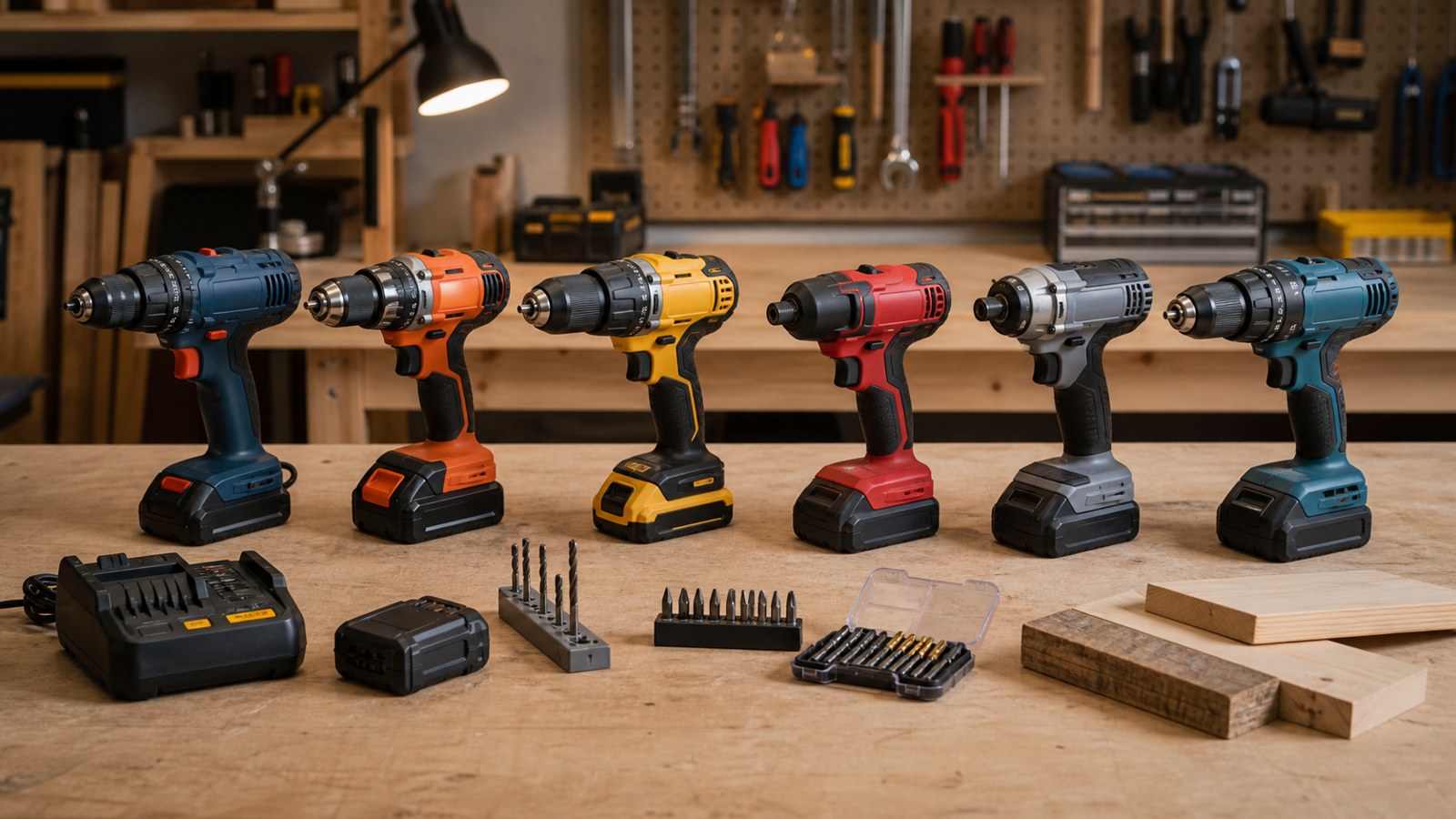
The first step in choosing the right drill is knowing that not all drills serve the same purpose. While many tools in this category look similar, their designs and strengths can be very different.
The standard drill driver is the most versatile option for most homeowners and beginners. It is built for drilling holes in wood, plastic, and light metals while also handling common screw-driving tasks. If someone wants one general-purpose tool for home projects, this is often the best place to start.
An impact driver is technically not the same as a drill, though it is often grouped alongside them. It is designed mainly for driving screws and fasteners with far more rotational force than a standard drill driver. If you regularly install long screws, lag bolts, or work on framing and decking, an impact driver can save time and effort.
A hammer drill adds a pulsing hammering action to the spinning motion. This makes it much more effective for drilling into brick, block, concrete, and masonry surfaces. If your projects include mounting anchors into concrete walls or drilling holes in masonry, a hammer drill becomes far more useful than a standard drill alone.
Then there are specialty tools such as right-angle drills for tight spaces, rotary hammers for heavier masonry work, and drill presses for highly precise shop tasks. These are valuable in the right situations, but most people begin with a drill driver or a combination of a drill driver and an impact driver.
Matching the Drill to the Material
One of the smartest ways to choose a drill is to think about the materials you work with most often. Different materials demand different levels of torque, speed, and drilling action. If most of your work involves wood, drywall, and light household projects, a standard cordless drill driver will usually do the job beautifully. It can drill pilot holes, sink screws, and handle furniture assembly without being overly bulky or complicated. For simple home improvement, this is the tool that covers the widest range of tasks.
If you often work with harder woods, metal brackets, or thicker materials, you may want a drill with more torque and a sturdier chuck. Metal drilling especially benefits from consistent power and variable speed control, since lower speeds are usually better for tougher metals.
If concrete, brick, or block enters the picture, the choice changes quickly. Standard drills can sometimes manage very light masonry work, but it is rarely efficient. A hammer drill is built for this job. The hammering action helps the bit chip through hard mineral surfaces much more effectively.
The material always tells part of the story. Before buying a drill, imagine the jobs you actually plan to do over the next year. That simple mental exercise often points you toward the right category much faster than comparing marketing slogans.
Corded vs Cordless: Which One Fits Your Work Style?
One of the most common decisions buyers face is choosing between corded and cordless drills. Each has clear advantages, and the better choice depends on how and where the tool will be used. Cordless drills are the most popular option today for good reason. They are portable, convenient, and easy to use almost anywhere. There is no power cord to drag across a room, no outlet to hunt for, and no restriction when working outdoors, on ladders, or in tight corners. For everyday DIY work, cordless drills are often the most practical choice.
Modern battery technology has made cordless drills much more capable than they used to be. Many offer excellent runtime, strong torque, and fast charging, making them more than powerful enough for most users.
Corded drills still have a place, especially for long work sessions or jobs that demand continuous power. If you spend extended periods drilling large holes, mixing compounds with attachments, or working in a shop where outlets are always nearby, a corded drill can be dependable and cost-effective. It will not run out of battery mid-project, and it often delivers strong sustained performance. For most homeowners and casual builders, cordless is usually the better fit. For certain shop environments or repetitive heavy-duty tasks, corded can still be a smart choice.
Understanding Voltage, Torque, and Speed
Tool labels often highlight voltage and power numbers, but these specifications only become useful when you understand what they mean in real-world terms. Voltage in cordless drills generally gives you a rough idea of the tool’s power class. Twelve-volt drills are lighter, smaller, and excellent for light-duty tasks such as cabinet hardware, furniture assembly, and everyday repairs. Eighteen-volt or 20-volt class drills offer more power and are better suited for tougher drilling and repeated screw-driving jobs. Torque is the rotational force the drill can apply. More torque helps when driving large screws or drilling through denser materials. However, more is not always better if the tool becomes heavy, bulky, or hard to control. A beginner may find a smaller, balanced drill more useful than a powerful model that feels awkward in the hand.
Speed matters too. Most drills offer variable-speed triggers and multiple gear settings. Lower speeds are better for driving screws and drilling through metal, while higher speeds are useful for quicker drilling in wood and softer materials. A drill with good speed control is often more valuable than one that simply advertises raw power. The best drill is not necessarily the strongest. It is the one with the right balance of power, control, comfort, and versatility for your actual jobs.
The Importance of Size, Weight, and Comfort
Many buyers focus on performance numbers and overlook something equally important: how the drill feels in use. Comfort matters. A drill that is too large, too heavy, or poorly balanced can become tiring long before the work is finished. Compact drills are excellent for overhead tasks, long projects, and working in cabinets or tight corners. They reduce fatigue and feel less intimidating for new users. A lightweight 12-volt or compact 20-volt drill can often handle far more than people expect. Larger drills have their place, especially for demanding work, but they can be harder to maneuver. If you are driving hundreds of screws in a day or drilling through tough stock, the extra power may be worth the additional weight. For occasional household use, though, a comfortable compact model may be the smarter choice. The grip shape, handle texture, trigger feel, and overall balance all influence control. If possible, holding a drill before buying it can reveal a lot. A tool that feels right in your hand is more likely to become the one you reach for again and again.
Key Features That Actually Matter
Modern drills come with long lists of features, but not all of them are equally important. Some genuinely improve usability, while others are less critical for everyday work. A good clutch is one of the most valuable features on a standard drill driver. It helps control torque while driving screws, which reduces the chance of stripping fasteners or damaging material surfaces. For beginners especially, this feature makes screw-driving more precise and forgiving.
A two-speed gearbox is also highly useful. It gives you a lower speed for screw driving and harder materials, plus a higher speed for faster drilling. This flexibility makes the drill more adaptable to different tasks. Built-in LED lights can be surprisingly helpful when working inside cabinets, under sinks, or in dim workshop corners. A sturdy keyless chuck is important too, since it affects how securely the bit stays in place.
Brushless motors are another feature worth considering. They tend to be more efficient, run cooler, and often last longer than brushed motors. They also usually cost more, so the question becomes how often you will use the drill. Frequent users may find the upgrade worthwhile, while occasional DIYers may be perfectly happy with a well-made brushed model.
When You Need an Impact Driver Instead
A lot of buyers assume a drill should handle every fastening task. In reality, there are times when an impact driver is the better choice. If your work involves long construction screws, deck screws, structural fasteners, or repetitive driving into dense materials, an impact driver is often more effective than a standard drill. It delivers bursts of rotational force that make driving difficult fasteners easier while requiring less effort from the user.
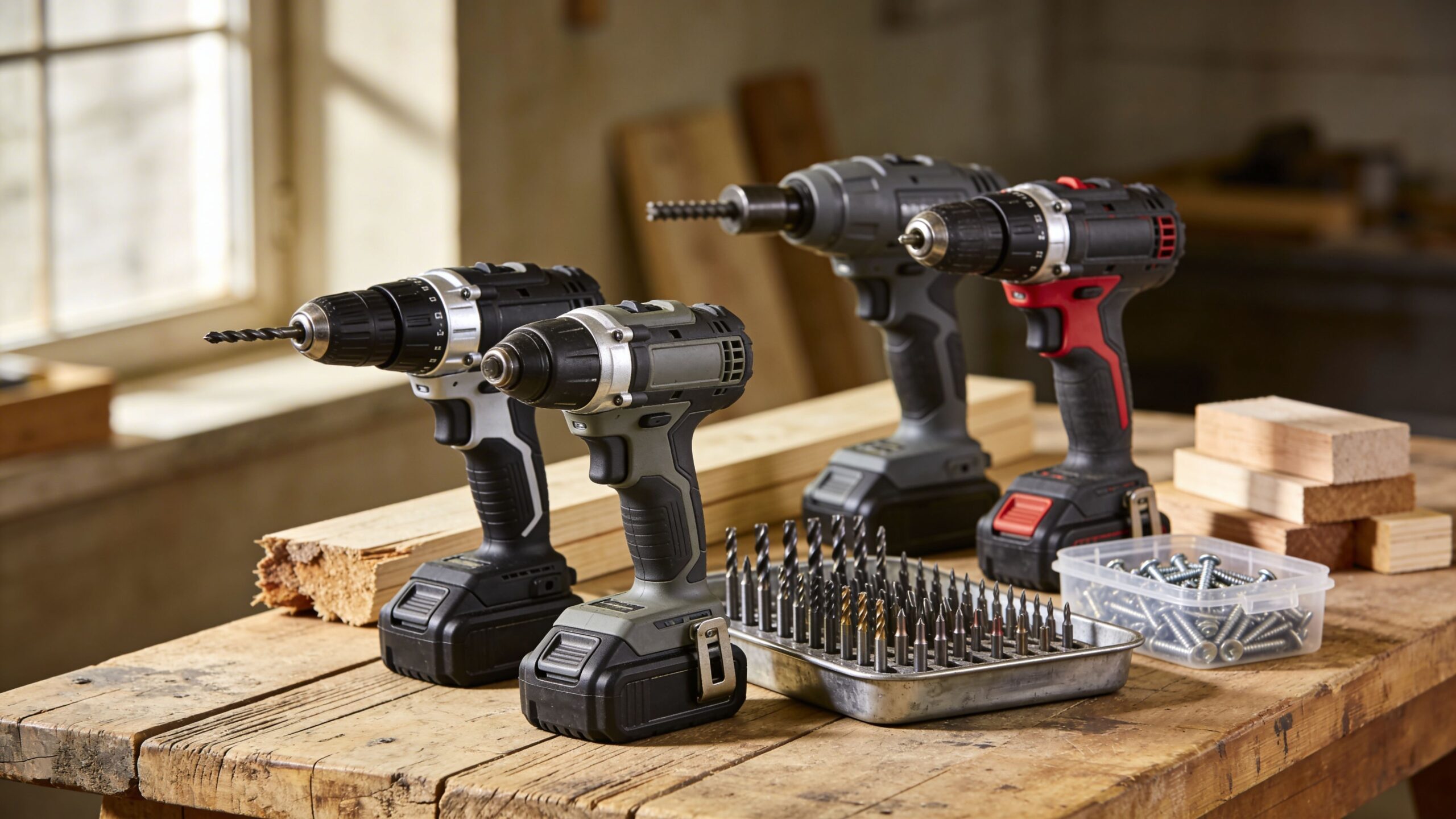
That does not mean it replaces a drill completely. A drill is still better for many precise hole-drilling tasks and more delicate screw-driving jobs. But if your projects involve framing, fencing, decking, or heavy-duty fastening, pairing a drill driver with an impact driver creates a much more capable setup. Many homeowners eventually find that a two-tool combination gives them the best workflow. One tool can hold a drill bit while the other stays loaded with a driver bit, saving time and making projects more efficient.
Choosing the Right Drill for Common Jobs
Thinking in terms of real projects makes drill selection easier. If your goal is furniture assembly, curtain rod installation, hanging shelves, and everyday home repair, a compact cordless drill driver is usually ideal. It is versatile, easy to control, and powerful enough for common household work.
If you are doing deck building, pergolas, fence repairs, or larger woodworking projects, you may want a more powerful 18- or 20-volt drill and possibly an impact driver alongside it. These jobs involve more fasteners, thicker materials, and greater torque demands. If you plan to install concrete anchors, drill into brick walls, or work with masonry surfaces, a hammer drill becomes the right tool. A standard drill may struggle and frustrate you.
If you work in cabinetry, electrical installation, or narrow spaces, a compact drill or right-angle drill may be the most practical choice. Shop users who need exact hole placement for repeated tasks may eventually move toward a drill press. Every project type has a natural tool match. The more clearly you define your typical work, the easier the buying decision becomes.
Don’t Forget the Importance of Bits and Accessories
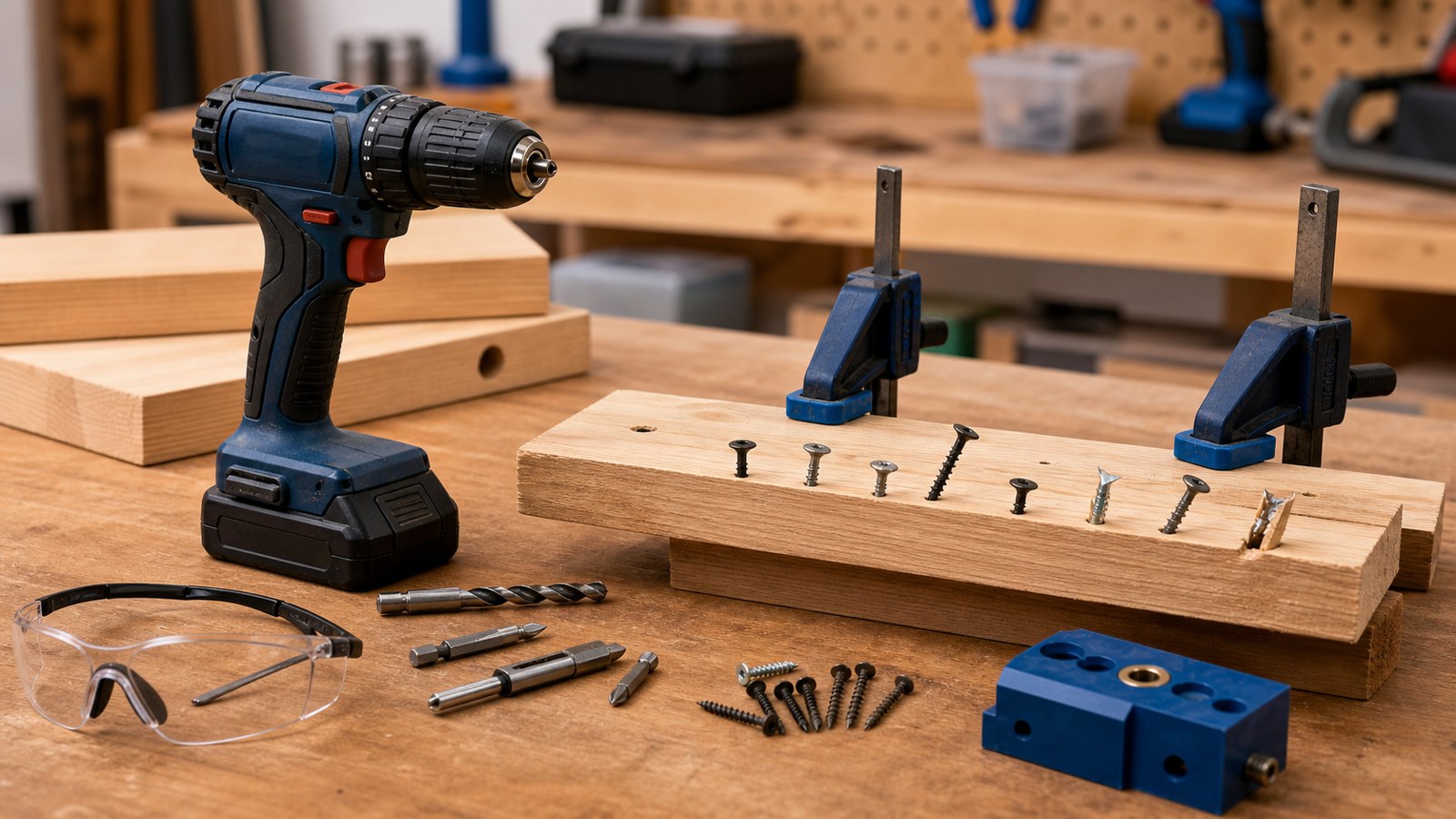
Even the best drill performs poorly with the wrong accessories. Drill bits matter just as much as the tool itself in many situations. Wood bits, masonry bits, metal bits, spade bits, hole saws, step bits, and driver bits all serve different purposes. Using the proper bit improves speed, accuracy, and safety. It also reduces stress on the drill and the material.
A good starter set of quality bits can dramatically improve results. Cheap, dull, or poorly made bits can cause wandering, overheating, stripped screws, and messy holes. That can make a perfectly good drill seem worse than it really is. Accessories such as magnetic bit holders, countersinks, flexible extensions, and clamps also add value. Choosing the right drill should include thinking about the system around it, not just the bare tool in the box.
Buying for Today and Tomorrow
A smart drill purchase solves your current needs while leaving room for future growth. Many buyers either overspend on a heavy-duty tool they will rarely use or underspend on an entry-level model they quickly outgrow.
A balanced approach works best. Choose a drill that comfortably handles your most likely projects while giving you a little extra capacity for the next step up. For many users, that means buying a quality cordless drill from a reputable tool platform with compatible batteries and future expansion options.
Battery ecosystems matter more than they seem at first. If you later add a circular saw, impact driver, oscillating tool, or work light, staying within one battery system can save money and simplify your workshop. The goal is not just to buy a drill. It is to choose a tool that supports the kind of work you want to do, both now and later.
Final Thoughts on Choosing the Right Drill
The right drill is not defined by flashy packaging, the highest number on the box, or the most aggressive marketing language. It is defined by fit. The right drill fits your materials, your projects, your comfort level, and your work style. For many people, a compact cordless drill driver is the best all-around starting point. For heavier fastening, an impact driver becomes a valuable partner. For masonry, a hammer drill is the right answer. When you understand those basic roles, drill shopping becomes far less confusing and much more practical. A good drill should feel like an extension of your hand, not a machine you fight against. It should make your jobs easier, your results cleaner, and your time in the workshop more enjoyable. Choose with purpose, and the right drill can become one of the most useful tools you own.