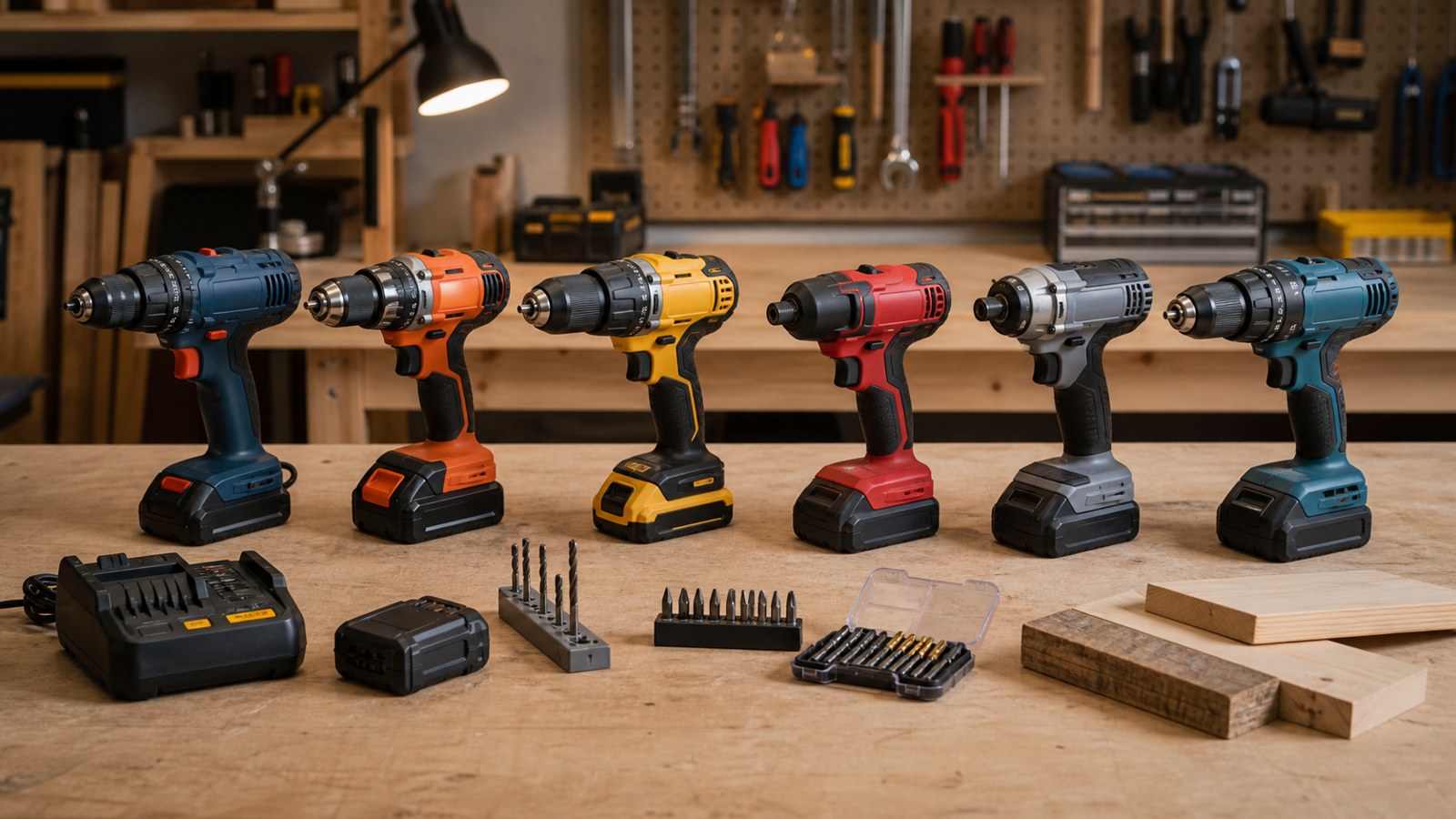
Using a power drill safely starts with the right bit, secure workholding, eye protection, speed control, battery awareness, pilot holes, and a steady stance before the trigger is pulled.
Start With The Real Project Problem
Beginner’s Guide to Using a Power Drill Safely matters because home projects rarely fail at the dramatic step. They usually fail earlier, when the plan is too vague, the material is poorly matched, the measurement is rushed, or the tool choice does not fit the work. A useful guide begins by naming the real project problem before listing steps or products.
The beginner drill problem is usually not power. It is control. A drill can split wood, strip screws, snap small bits, wander off the mark, grab loose material, or damage hidden wiring if the user rushes setup and treats every hole the same way.
That practical frame keeps the project grounded. A saw, board, finish, fence, room layout, or remodel plan only becomes useful when it is connected to the space, budget, skill level, safety needs, and daily use of the home.
What To Know Before You Start
Start by identifying the material, fastener, bit size, depth, and surface behind the work. Mark the hole, check for hidden utilities when drilling walls, clamp loose pieces, and choose drill mode or driver mode before starting. A few seconds of setup makes the tool much less surprising.
Good planning protects both the finished result and the person doing the work. Before cutting, fastening, painting, digging, wiring, sanding, or assembling, the project needs a clear order of operations. That means knowing what can be changed later and what becomes difficult to fix once the next step begins.
Beginners benefit from writing down the sequence in plain language. Measure the space, confirm constraints, choose materials, gather tools, test the risky step, and then commit. That rhythm is slower at first, but it prevents expensive backtracking.
Materials And Tools That Shape The Result
A safe drill kit includes drill bits, driver bits, countersink bits, anchors, screws, painter’s tape, clamps, a square, a level, and eye protection. Masonry, metal, wood, tile, and drywall all need different bits and different pressure.
The best tool is not always the biggest or most expensive one. It is the tool that makes the required action accurate, controlled, and repeatable. For some projects that means a saw with better support. For others it means clamps, layout tools, a better blade, a moisture check, a safer ladder, or a simple scrap test before touching the final piece.
Material choice works the same way. A beautiful finish can fail on the wrong surface. A strong board can twist if it is too wet. A budget product can be perfectly acceptable in a low-wear area and frustrating in a high-use area. The project improves when materials are chosen for the job rather than for a single attractive feature.
Safety, Code, And Hidden Conditions
Power drill safety includes eye protection, secure footing, tied-back hair, no loose sleeves, stable workholding, and careful trigger control. Use a ground-fault protected outlet for corded tools where moisture is possible, and stop immediately if the bit binds or the tool overheats.
DIY work becomes risky when hidden conditions are ignored. Walls can hide wiring, plumbing, ductwork, rot, pests, insulation problems, or load paths. Floors can hide uneven subflooring. Outdoor projects can involve property lines, frost depth, drainage, utilities, or local rules. A careful builder treats those unknowns as part of the work, not an annoyance.
Personal safety matters just as much. Eye protection, hearing protection, dust control, stable work support, sharp blades, correct bits, and clean footing are not extras. They are what make the project repeatable without turning one small job into a painful lesson.
Step Order That Prevents Rework
Choose the bit, mark the location, clamp the work, set speed or clutch, drill a pilot hole where needed, keep the bit square to the surface, clear chips, and drive the fastener without forcing it past the material’s limit.
Most project sequences move from layout to test fit, then from rough work to finish work. Cutting before layout creates waste. Painting before repair traps flaws. Installing finish material before checking the surface can make a good product look bad. The order matters because each step either opens or closes options.
A useful habit is to ask what the next step will hide. If a wall will be closed, document what is behind it. If trim will cover a gap, decide whether the gap is acceptable first. If a finish will seal a surface, make the surface clean, smooth, and dry before coating it.
Common Mistakes And Better Choices
Common mistakes include using the wrong bit, drilling without checking what is behind the wall, applying too much pressure, driving screws at full speed, stripping heads, skipping pilot holes, and holding small workpieces by hand.
The better choice is usually specific. Instead of buying a tool because it is popular, match the tool to the cuts, materials, and space. Instead of choosing a material because it looks good in a photo, test how it handles moisture, wear, fastening, and maintenance. Instead of rushing to the visible finish, make the hidden structure clean and reliable.
Another mistake is treating professional-looking work as magic. Clean projects usually come from ordinary discipline: square lines, sharp blades, dry fits, correct fasteners, controlled adhesive, patient sanding, and enough light to see defects before they become permanent.
How Beginners Can Practice The Skill
Practice is where a project becomes less intimidating. A beginner can rehearse the important step on scrap material, a hidden surface, or a small test area before working on the finished piece. That one rehearsal can reveal whether the blade is sharp enough, the finish color is right, the fastener length is safe, or the layout line needs to move.
The best practice sessions are narrow. Do not try to learn every part of the project at once. Practice one cut, one joint, one paint edge, one layout method, one weld bead, one drill angle, or one fitting. Once that piece feels predictable, the full project becomes easier to manage.
Practice also builds judgment. The goal is not only to make the sample look good. The goal is to learn what failure looks like early: tear-out, wobble, poor coverage, weak fastening, uneven gaps, tool chatter, burn marks, or material movement. Finding those problems on a test piece is a win.
How To Judge Quality
Quality drill work has clean holes, straight fasteners, controlled depth, uncracked material, and hardware that sits where it was planned. The result should look intentional, not chewed into place.
Quality can be judged at several levels. The project has to be safe. It has to function as intended. It has to hold up under normal use. It has to look consistent from ordinary viewing distance. It also has to make sense for the money, time, and skill available.
A homeowner does not need museum-level craftsmanship for every repair, but visible work deserves care. Straight lines, even gaps, flush parts, smooth transitions, and well-chosen finishes make a project feel intentional. Hidden work deserves equal seriousness because it supports everything the eye can see.
Budget And Time Expectations
A beginner does not need the most powerful drill on the shelf. A dependable cordless drill, good bits, a spare battery, clamps, and safety gear usually matter more than high torque numbers for ordinary home projects.
Budget planning needs more than the main material price. Fasteners, blades, adhesive, finish, disposal, delivery, permits, rentals, replacement parts, and mistakes can all change the real cost. Time works the same way. A project that looks like one afternoon online may need setup, drying, cure time, sanding, second coats, inspections, or extra help.
The simplest way to stay realistic is to include a margin. Buy a little extra material where matching matters. Leave calendar space for delays. Confirm lead times before demolition. Keep the project usable overnight when possible, especially in kitchens, bathrooms, bedrooms, and high-traffic areas.
Maintenance And Long-Term Use
A finished project still has a life after installation. Wood moves with humidity, fences weather, finishes wear, caulk cracks, filters clog, hardware loosens, and rooms change as people use them. Planning for maintenance keeps the project honest because it forces the builder to think beyond the reveal photo.
Maintenance does not have to be complicated. Keep extra paint, finish, flooring pieces, fasteners, and product notes when they may be useful later. Photograph hidden work before covering it. Label shutoffs, circuits, spare parts, and special hardware. Small records make future repairs calmer and cheaper.
The best long-term result is a project that can be cleaned, adjusted, repaired, or upgraded without starting over. That is why access, clearance, replaceable parts, and sensible material choices matter during the first build.
Long-term thinking also keeps trends in perspective. A project can look current and still fail if it is hard to maintain, uncomfortable to use, or built from materials that do not match the setting. Durable work respects both the first impression and the tenth year of use.
When To DIY And When To Call A Pro
DIY drill work is reasonable for shelves, hardware, pilot holes, anchors, and assembly. Call a professional when drilling involves electrical panels, tile waterproofing, structural concrete, gas lines, or unknown hidden conditions.
DIY is a good fit when the work can be practiced, inspected, corrected, and completed without creating hidden danger. It becomes a poor fit when mistakes affect structure, major electrical, gas, roofing, waterproofing, permits, or health hazards. Calling a pro is not failure; it is often the decision that protects the rest of the project.
A hybrid approach can work well. A homeowner might handle demolition, painting, hardware, simple carpentry, or finish choices while hiring licensed help for technical or high-risk work. That keeps control over the project without pretending every task carries the same level of risk.
Practical Example
Installing a wall shelf safely means finding studs or choosing proper anchors, marking level holes, drilling pilot holes, driving screws with clutch control, and checking that the bracket is tight before loading weight.
The example matters because it shows how planning turns into action. A project is not just a collection of tips. It is a chain of decisions where the next choice depends on what was measured, tested, and confirmed in the previous choice.
When a project feels confusing, return to the physical facts: size, weight, moisture, level, square, support, clearance, access, and wear. Those facts usually make the next decision easier.
What A Strong Finished Result Looks Like
The finished hole or fastener should be straight, secure, and clean. Good drill work often disappears because the screw head, bracket, anchor, or hardware simply sits correctly.
The finished result should feel calm. Doors open without rubbing. Cuts meet where they are meant to meet. Paint covers evenly. Fixtures feel secure. Boards are supported. Fasteners are placed with intention. The work looks like it belongs in the room rather than like it was forced into place.
That calm result comes from patience in the unglamorous steps. Layout, prep, checking, sanding, cleanup, and adjustment are not separate from the build. They are the build.
Simple Checklist Before Calling It Done
Before cleanup, walk the project from the user’s point of view. Touch the parts people will touch. Open and close moving pieces. Look at the work in daylight and at night. Check the edges, corners, fasteners, seams, clearances, and transitions. A few minutes of inspection can catch the small issues that make a finished project feel rushed.
Then look at the project from the maintenance point of view. Ask how it will be cleaned, tightened, repainted, repaired, or adjusted later. If the answer is unclear, add a note, save a spare part, or make the access point easier to find. Good work does not end at installation; it remains understandable after the tools are put away.
Bottom Line
A power drill is safe when the user controls the setup. Match the bit to the material, secure the work, and let the tool cut instead of forcing it.
The best DIY and home improvement guidance helps people make better decisions before they spend money, cut material, or open a wall. Skill grows when each project teaches a repeatable habit: measure carefully, choose materials honestly, use tools safely, test the risky step, and finish with patience.