A furnace that will not heat needs a careful first pass, not random part replacement. The useful clues are where the system stops: the thermostat may not be calling, the furnace may have no power, airflow may be restricted, ignition may fail, the burners may light and then shut off, or the blower may run without delivering warm air.
Homeowner troubleshooting should stay outside the sealed, high-voltage, combustion, and gas parts of the system. You can confirm settings, power, airflow, filters, panels, vents, and visible symptoms. Gas odor, repeated shutdowns, burner problems, electrical faults, or safety-switch warnings should move the job to a trained HVAC technician.
A: Record thermostat settings, filter condition, the visible fault sequence, startup behavior, and any recent changes to the equipment.
A: Fan settings, startup timing, failed ignition, or a protective response can cause that symptom; it needs context rather than a single assumed cause.
A: Raising it once can confirm a normal heat request, but a higher setting does not repair a furnace that cannot complete its cycle.
A: Some models use a panel interlock. Refit the panel as instructed, without defeating the switch or operating with the cabinet open.
A: No. Flame proving can fail for several reasons and requires qualified diagnosis before selecting replacement parts.
A: Never bypass that protection. Venting, inducer, pressure sensing, and related faults require proper service diagnosis.
A: Not necessarily. Compare airflow and temperature in other rooms; delivery or room conditions may be the main issue.
A: Use an approved replacement instead of leaving the system unfiltered as a heating workaround.
A: Move everyone to fresh air, call emergency responders, and stay out until they authorize re-entry.
A: Stop when external checks do not resolve the problem or when repeated faults, gas odor, unsafe electrical conditions, combustion concerns, or an alarm require professional help.
Start With What the Furnace Is Doing
Do not begin by guessing which part failed. Stand near the furnace from a safe distance during one call for heat and observe the sequence. Does nothing happen at all? Does an inducer motor start? Does the furnace click? Do burners light briefly and then stop? Does the blower run with cool air?
Those differences matter. A completely silent furnace points toward thermostat, power, switch, breaker, door switch, or control issues. A furnace that starts and stops may be seeing an ignition, flame-sensing, pressure, limit, venting, or airflow problem.
Write down what you hear and see. A short symptom note helps if service is needed, and it keeps the homeowner checks organized.
Confirm the Thermostat Call
The thermostat is the easiest place to make a wrong assumption. Set it to heat, raise the setpoint several degrees above room temperature, and make sure the schedule, hold setting, or eco mode is not overriding the call.
If the thermostat uses batteries, replace weak batteries before blaming the furnace. A dim screen, blank display, or thermostat that will not click into a heat call can stop the system before the furnace ever gets instructions.
Also check whether the thermostat controls the right equipment mode. Heat pump, auxiliary heat, fan-only, and furnace settings can be confusing on some controls. If the thermostat was recently replaced, wiring or setup may be part of the problem.
Check Power Without Repeated Resets
Most furnaces have a nearby service switch that can look like an ordinary light switch. It may be turned off during storage, cleaning, filter changes, or work in the mechanical room. Confirm that it is on.
Next, check the breaker. One reset is reasonable if the breaker is tripped and there is no obvious burning smell, water, or damage. If it trips again, stop. Repeated breaker resets are not troubleshooting; they are a warning that the electrical side needs proper diagnosis.
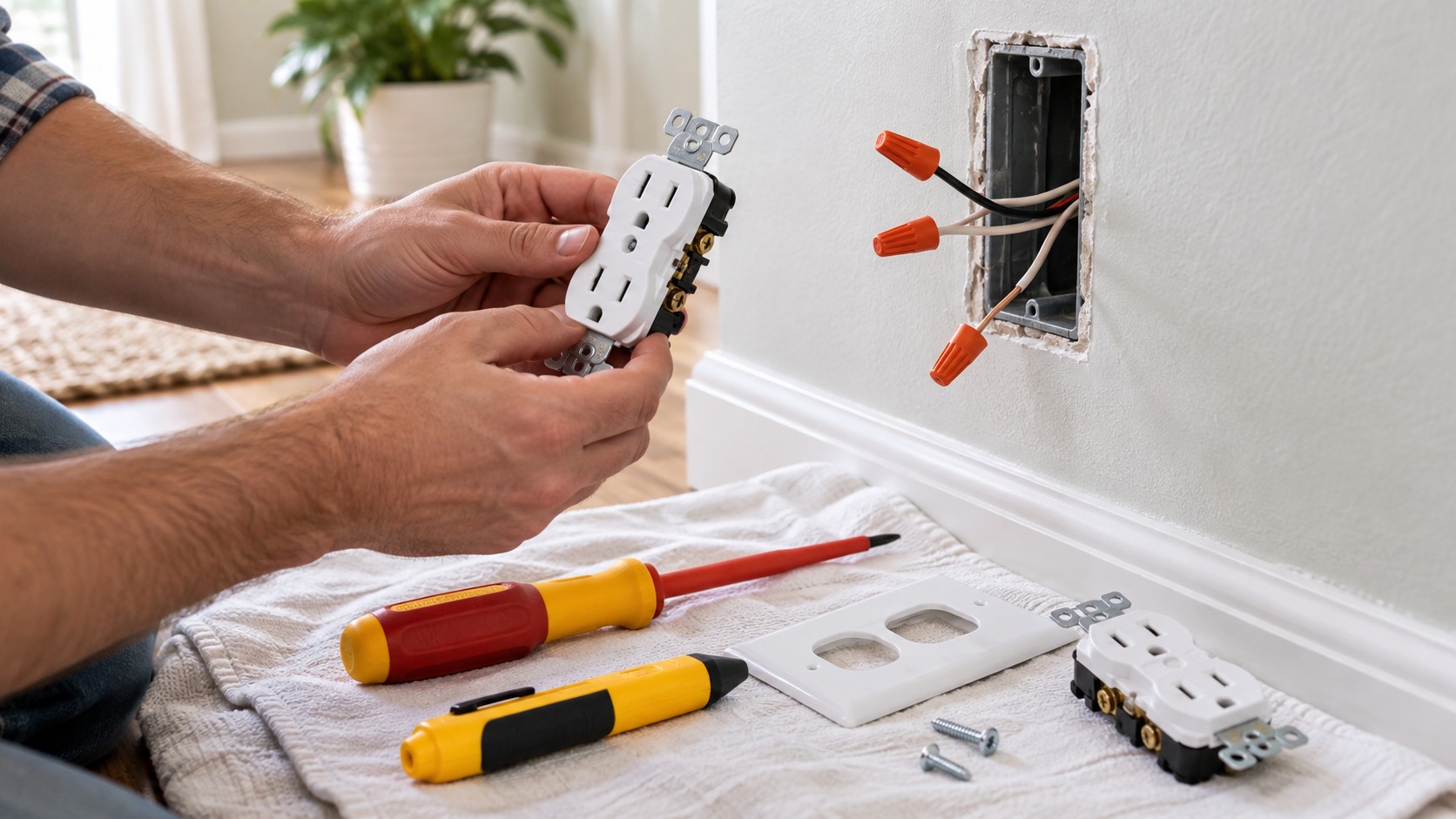
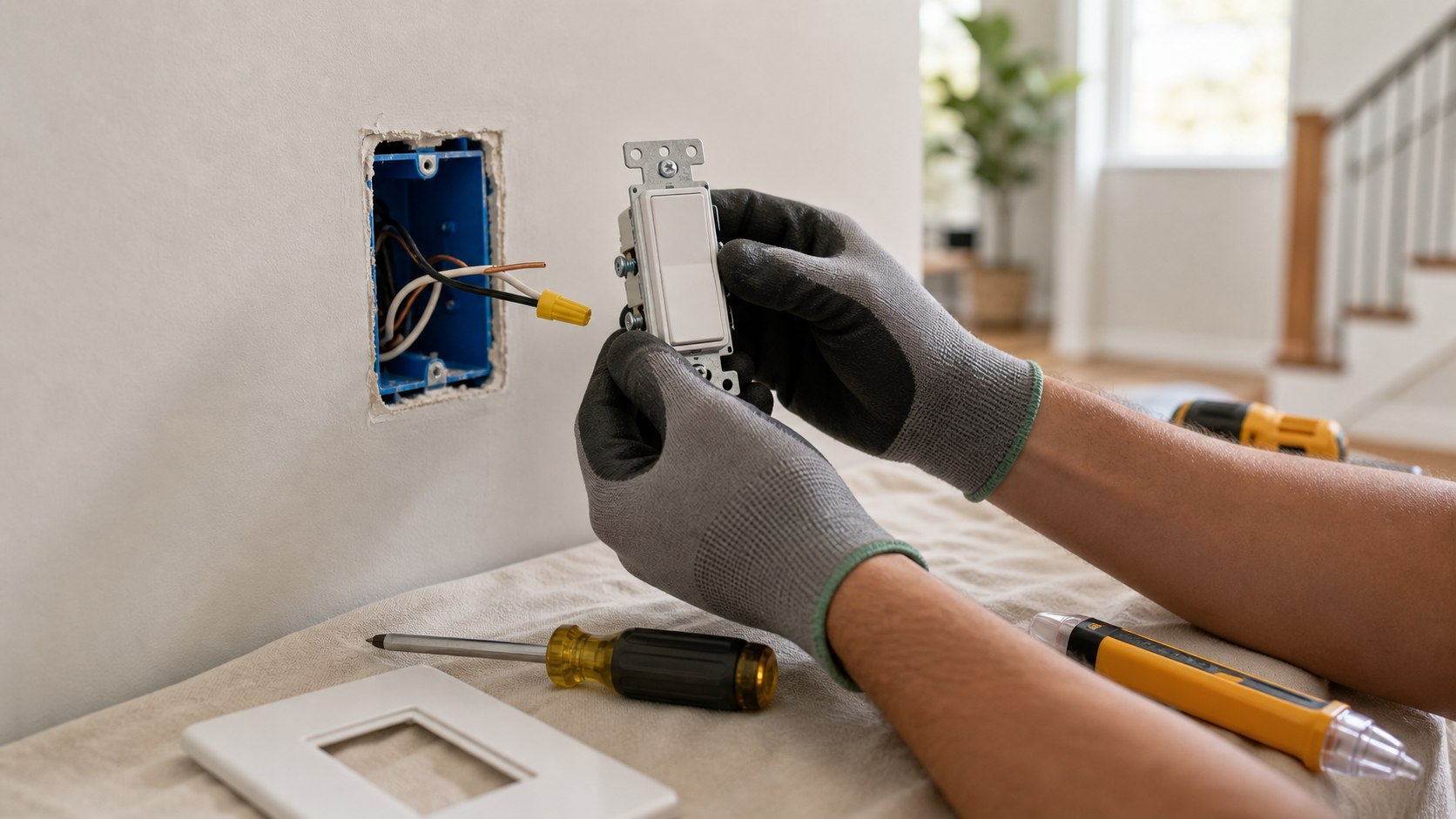
Some systems also have a fuse on the control board or low-voltage circuit. Homeowners should not probe live furnace wiring unless they are trained for that work. Treat electrical faults with respect.
Make Sure the Door Panel Is Seated
A loose blower door can make a furnace appear dead because many units have a safety switch behind the panel. If the panel was recently removed for a filter change, confirm it is seated fully and latched correctly.
Do not tape the switch down or defeat it. The furnace is designed to operate with its panels in place so airflow and safety controls work as intended.
If the panel will not close, look for the cause. A wrong filter size, bent cabinet, wire in the way, or poorly seated panel should be corrected rather than bypassed.
Inspect the Air Filter
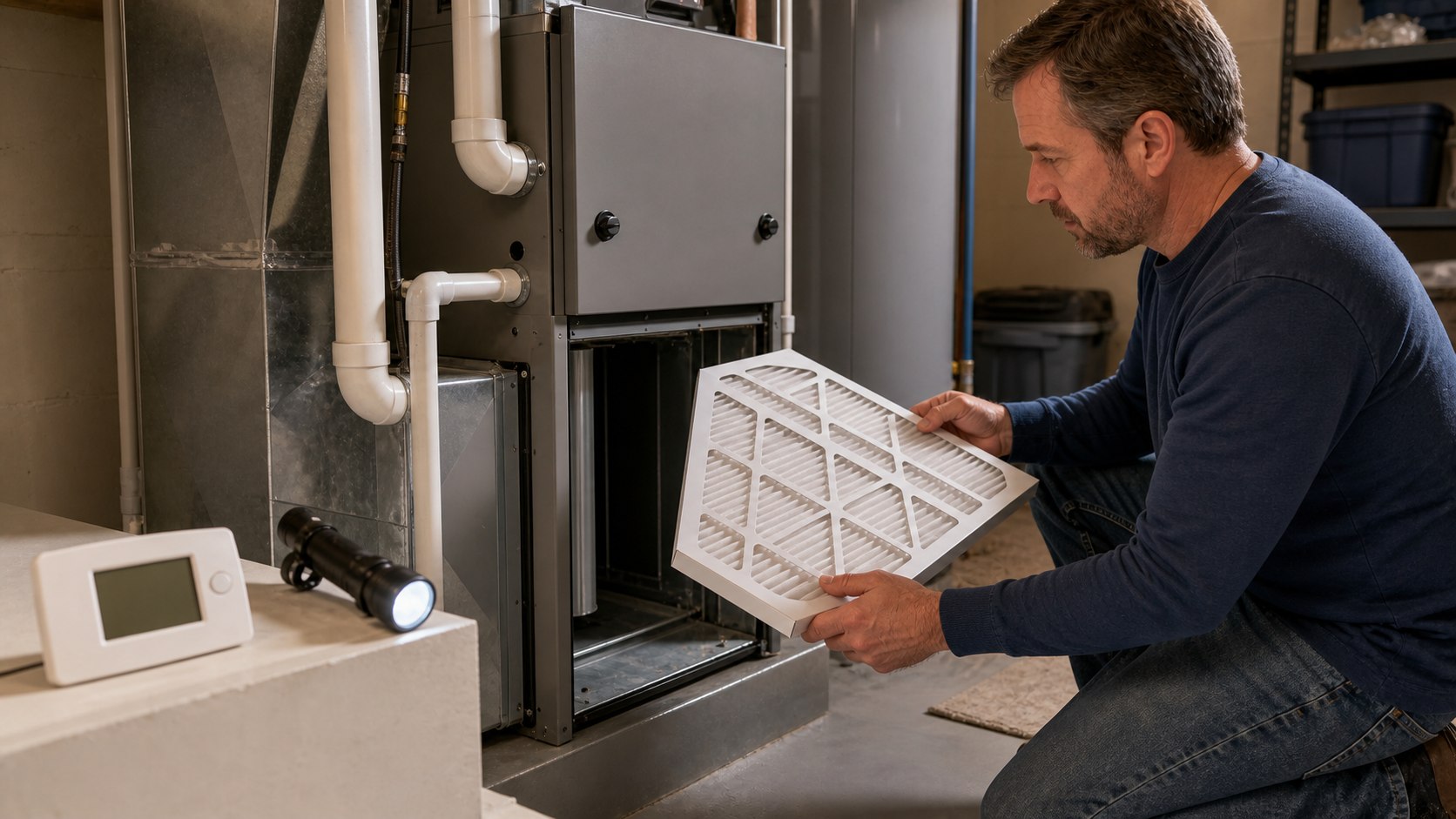
A clogged filter can reduce airflow enough to make the furnace overheat and shut down on a limit control. Pull the filter and inspect the actual media. If it is packed with dust, bowed, damp, or the wrong size, replace it with a compatible filter.
Do not run the furnace without a filter as a normal workaround. A brief inspection is different from leaving the system unprotected. Dust can collect on the blower wheel, heat exchanger area, and coil surfaces.
If problems began right after installing a more restrictive filter, go back to a filter type the system can handle and schedule an airflow check before moving to high-resistance options again.
Check Return and Supply Airflow
A furnace needs enough air coming back through the returns and enough supply registers open to move heated air into the house. Blocked return grilles, furniture, rugs, closed doors, dirty grilles, and closed registers can all contribute to overheating or weak heat delivery.
Walk the house and open supply registers. Make sure returns are not covered. Do not close a large number of vents to force heat elsewhere; that can raise duct pressure and reduce system airflow.
If some rooms heat and others do not, the furnace may be working while the duct system has a delivery problem. Room-by-room patterns are important evidence.
Read the Status Light
Many modern furnaces show a blinking status light through a small window. Count the flashes before turning power off because some fault codes clear after a reset. The furnace panel or manual may explain the code pattern.
A code is not a direct instruction to buy a part. It tells you what condition the control board detected. A pressure switch code, limit code, ignition code, or flame failure code can have several causes.
Write down the exact code and the behavior that happened with it. That information saves time for a technician and helps prevent parts guessing.
If the Furnace Is Completely Silent
A silent furnace during a heat call may point to the thermostat, service switch, breaker, door switch, control power, transformer, wiring, or board. Homeowner checks are limited to visible and safe items: thermostat settings, batteries, switches, breaker position, and panel seating.
If those checks do not wake the system, do not keep cycling power repeatedly. A furnace that has no response may need voltage testing inside the cabinet, and that belongs to trained service work.
Also consider whether any safety device or accessory is interrupting operation, such as a condensate overflow switch on high-efficiency equipment. If water is present, stop and inspect the drain area before forcing another cycle.
If the Blower Runs but Air Is Cool
A blower running without warm air can mean the thermostat fan setting is on, the burners are not lighting, a safety limit has opened, or the furnace is in a lockout or purge sequence. Start at the thermostat and make sure the fan is set to auto unless you intentionally want constant circulation.
If the blower runs after a failed heat attempt, the furnace may be clearing heat or responding to a safety condition. Watch whether the burners ever light. Cool airflow by itself does not identify the cause.
If burners never light, stop at observation. Igniters, gas valves, flame sensors, pressure switches, and control boards are not casual homeowner replacement items.
If Burners Light and Then Shut Off
Burners that light briefly and then shut down often suggest the furnace is not proving flame correctly or is detecting an unsafe condition. A dirty flame sensor is one possible cause, but it is not the only one.
Do not assume every short cycle is a flame sensor. Venting, gas pressure, grounding, wiring, burners, control faults, and airflow problems can create similar behavior. Replacing parts without testing can mask the real issue.
Note how many times the furnace tries before locking out. That retry pattern, along with any flash code, is useful service information.
If the Furnace Overheats or Short Cycles
A furnace that heats briefly, shuts off, then tries again may be short cycling. Causes can include restricted airflow, oversized equipment, a clogged filter, blocked ducts, dirty blower wheel, dirty coil, failing limit control, thermostat placement, or combustion-related trouble.
Start with airflow items you can see: filter, returns, supply registers, and blocked grilles. If those are clear and the problem continues, do not keep running the system through repeated limit trips.
Safety controls are there to prevent damage and danger. A furnace that repeatedly overheats needs proper diagnosis, not another reset.
High-Efficiency Furnace Condensate Problems
Condensing furnaces produce water during operation and need that condensate to drain. A clogged drain line, backed-up trap, failed condensate pump, or full safety pan can stop the furnace or trigger an overflow switch.
Look for water around the furnace, pump, drain tubing, or floor drain. If the furnace stopped during freezing weather, check whether an exterior drain termination or nearby line may be frozen or blocked.
Do not ignore condensate water. It can damage floors, shut down the furnace, or indicate a drain arrangement that needs service.
Venting and Intake Problems
Modern furnaces need clear exhaust venting, and many high-efficiency units also need a clear combustion-air intake. Snow, leaves, nests, debris, ice, or exterior obstructions can interfere with operation.
Check accessible outdoor terminations from the ground if it is safe. Keep snow and debris away from intake and exhaust pipes. Do not disassemble venting or operate the furnace with vent pipes disconnected.
Venting problems can involve carbon monoxide risk. If the furnace shows rollout warnings, soot, exhaust smell, unusual flame behavior, or repeated pressure-switch codes, call for service.
Gas Supply and Pilot Issues
For gas furnaces, you can check whether other gas appliances are working and whether an accessible, clearly labeled furnace gas valve appears to be in its normal open position. Do not loosen fittings or experiment with gas components.
Older furnaces may have a standing pilot. Follow the instructions printed on the furnace exactly if relighting is allowed. If the pilot will not stay lit, the problem may involve a thermocouple, gas valve, draft, or safety control.
If you smell gas, leave the area and follow local utility or emergency guidance. Do not operate switches, relight equipment, or continue troubleshooting inside the space.
Heat Pumps and Dual-Fuel Confusion
Some homes use a furnace with a heat pump or have thermostat settings that make the system harder to interpret. A heat pump may blow air that feels cooler than furnace air even when it is heating normally. Auxiliary or emergency heat settings can also change behavior.
If the outdoor unit, furnace, and thermostat are tied together, note which equipment runs during a heat call. A furnace problem may actually be a heat pump control issue, thermostat setup issue, or dual-fuel staging problem.
Do not change advanced thermostat installer settings unless you know what they control. Wrong staging settings can make equipment behave strangely.
Recent Maintenance Clues
Think about what changed before the heat failed. A new thermostat, filter upgrade, duct cleaning, humidifier service, roof work near vent pipes, storage moved around the furnace, or a recent power outage can all point toward the cause.
If the furnace stopped shortly after a filter change, recheck the filter size, airflow arrow, door panel, and whether the old filter left debris in the rack. If service was recently performed, look for simple visible items such as a switch left off, a panel not seated, or a condensate line moved out of place.
This timeline is not about assigning blame. It helps separate random failure from a problem introduced during recent work, and that can shorten the diagnostic path.
Comfort Clues Around the House
The rooms can tell you whether the furnace is failing to make heat or whether the heat is not being delivered well. No warm air anywhere is different from one cold bedroom, a weak upstairs, or a basement that overheats while the main floor stays chilly.
Uneven heating may involve ducts, dampers, returns, insulation, closed doors, dirty registers, or balancing rather than the furnace itself. Check whether airflow is strong at nearby registers and whether the cold room has a return-air path.
If the furnace produces hot air but the house never catches up, note outdoor temperature, runtime, filter condition, and whether the system used to perform better. That information helps distinguish equipment trouble from duct or building-envelope problems.
When a Reset Is Reasonable
One power reset can be reasonable after you have checked the thermostat, filter, panels, vents, and obvious conditions. Turn the system off, wait briefly, restore power, and observe one heat cycle from a safe distance.
Repeated resets are different. If the furnace locks out again, trips a breaker, flashes the same code, or stops during the same part of the sequence, it is telling you the problem remains.
Record the behavior after the reset rather than trying again and again. That information is more valuable than clearing the code repeatedly.
When to Call an HVAC Technician
Call for service when the furnace smells like gas, trips breakers, shows flame rollout, locks out repeatedly, lights and shuts down, overheats, has blocked venting, leaks condensate, runs the blower without heat, or displays pressure, ignition, flame, or limit faults that return after basic checks.
Also call when the furnace is old, the heat exchanger is suspect, carbon monoxide alarms activate, or you are unsure whether the equipment is safe to operate. Heating equipment is not the place to gamble.
A good service call starts with the details you collected: thermostat settings, filter condition, what starts first, where the sequence stops, status codes, and any recent maintenance or changes.
Final Furnace Heating Review
A furnace that is not heating should be checked in a careful order: thermostat call, power, door panel, filter, return airflow, supply registers, status light, startup sequence, condensate, venting, and safe visible gas-supply clues. Those steps solve some simple problems and make the rest easier to diagnose.
Stop before opening sealed combustion areas, testing live voltage, adjusting gas components, bypassing switches, or repeatedly resetting a furnace that keeps shutting down. Warm air matters, but safety comes first when gas, electricity, flame, venting, and carbon monoxide are part of the system.