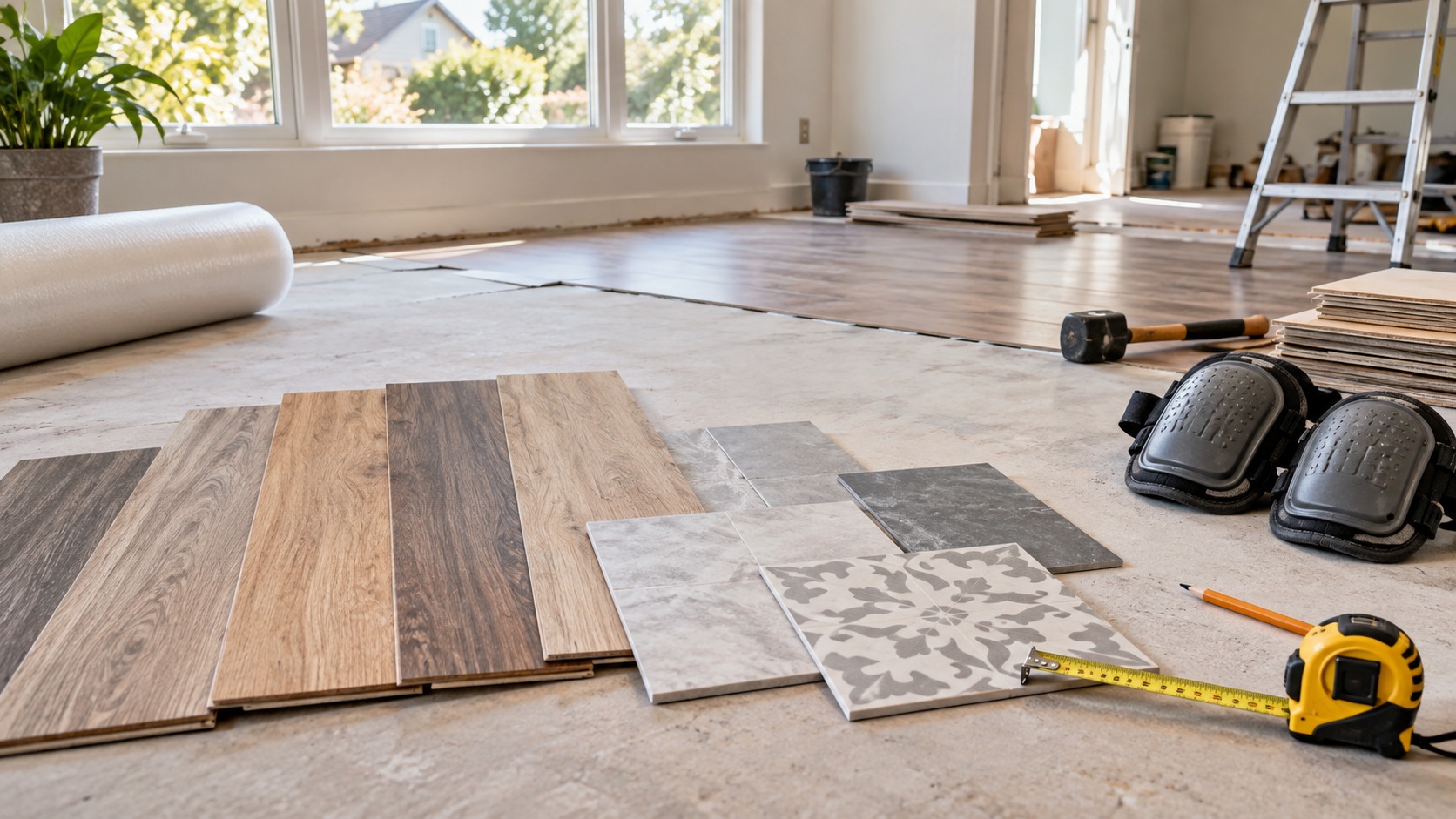
The Modern Evolution of Wood Flooring
Flooring is the foundation of a home’s aesthetic and comfort. It’s what ties together color schemes, defines the atmosphere, and endures daily life. While traditional solid hardwood remains a symbol of timeless beauty, engineered wood flooring has revolutionized the market by offering an appealing balance between authenticity and practicality. Engineered wood looks identical to solid wood from the surface, yet beneath that top veneer lies innovation—a layered structure designed for stability and longevity. As technology and design evolve, engineered flooring has become one of the most popular choices among homeowners and designers seeking a versatile, high-performing, and visually stunning option. Understanding its pros and cons can help you make a confident decision—one that complements both your style and your lifestyle.
What Exactly Is Engineered Wood Flooring?
At first glance, engineered wood flooring looks just like solid hardwood. That’s because its surface layer, called the veneer, is real wood. The difference lies beneath. Instead of a single solid piece of timber, engineered wood features a core made from multiple layers of high-density plywood, fiberboard, or cross-laminated hardwood. These layers are stacked and bonded under heat and pressure, creating a structure that resists expansion and contraction from humidity and temperature changes.
This construction gives engineered wood its defining advantage—stability. Where solid wood might warp or cup in moisture-prone environments, engineered planks remain dimensionally stable. They can be installed in areas where traditional hardwood would struggle, such as basements or over radiant heating systems. The veneer thickness varies between brands, usually ranging from 0.6 mm to 6 mm. Thicker veneers can be sanded and refinished multiple times, extending the floor’s lifespan.
The Appeal: Why Homeowners Love Engineered Wood
One of the biggest reasons homeowners choose engineered wood flooring is its versatility. It merges the visual appeal of genuine hardwood with the practical benefits of modern manufacturing. Whether you prefer the warmth of oak, the sophistication of walnut, or the light tones of maple, engineered wood offers nearly endless design possibilities.
Beyond appearance, engineered floors provide comfort and performance. They deliver the same tactile pleasure as solid wood—a satisfying warmth underfoot and natural grain that tells a story. Yet, unlike traditional wood, they adapt more easily to modern living. Their resistance to seasonal movement makes them suitable for a variety of climates and subfloors, including concrete.
Engineered wood also supports faster installation. Many styles use click-lock or tongue-and-groove systems that allow floating installations, saving both time and labor costs. For renovators, this convenience is a major win.
Pro #1: Authentic Beauty and Variety
Engineered wood is not an imitation—it’s authentic wood. The surface veneer provides the same organic look, texture, and character as solid hardwood. You can choose from a wide range of species, finishes, and colors, whether you’re aiming for rustic farmhouse charm, sleek modern minimalism, or classic timelessness. Manufacturers offer diverse finishes, including wire-brushed textures, matte coatings, and oil-based treatments that accentuate the wood’s grain. Because the veneer is genuine, each plank carries subtle variations that enhance the floor’s natural appearance. This allows homeowners to enjoy the richness of real wood without the challenges associated with solid planks.
Pro #2: Superior Dimensional Stability
Traditional hardwood expands and contracts as humidity fluctuates. Engineered wood’s cross-layered construction minimizes this natural movement. Each layer’s grain runs perpendicular to the next, effectively counteracting the swelling and shrinking that can lead to gaps or warping.
This makes engineered wood ideal for environments with varying humidity—such as coastal regions, upper-floor condos, or homes with radiant heating. It’s also a practical solution for concrete subfloors where solid wood would typically fail. The result is a floor that remains smooth and secure through seasonal changes, offering lasting beauty and reduced maintenance headaches.
Pro #3: Easier and More Flexible Installation
Installation flexibility is one of engineered wood’s standout advantages. Depending on the product, it can be nailed, glued, stapled, or floated over a variety of subfloors. Floating installations—where planks interlock without adhesives—are particularly appealing for homeowners seeking a DIY-friendly option. Because engineered flooring doesn’t require a plywood subfloor, it’s compatible with modern construction and renovation scenarios. Its thinner profile also means it fits seamlessly under doors or alongside existing flooring without major height adjustments. For busy remodels or new builds, this versatility saves both time and money while delivering a high-end finish.
Pro #4: Eco-Friendly Efficiency
Sustainability matters now more than ever, and engineered wood aligns with eco-conscious living. Its layered design uses less solid hardwood overall, making better use of timber resources. The inner plywood or fiberboard core often comes from fast-growing or recycled wood fibers, reducing pressure on old-growth forests.
Additionally, many manufacturers adhere to strict environmental certifications such as FSC (Forest Stewardship Council) or FloorScore, ensuring responsible sourcing and low emissions. Engineered wood thus offers a greener pathway to the warmth and luxury of wood flooring without compromising the planet.
Pro #5: Cost and Value Balance
Engineered wood offers an excellent middle ground between price and performance. While it’s typically more affordable than solid hardwood, it still provides genuine wood luxury—something laminate or vinyl can only mimic. Its value doesn’t end at aesthetics. Because it’s more resistant to warping, homeowners spend less on future repairs or replacements. Plus, premium engineered floors with thick veneers can last decades, making them a sound long-term investment that boosts resale appeal.
Con #1: Limited Refinishing Potential
One key limitation of engineered wood is its refinishing capacity. Because the top veneer is thinner than solid hardwood, sanding too deeply can expose the core layers beneath. Thicker veneers can handle a few refinishes, but thinner options may only allow one—or none at all.
This doesn’t necessarily mean engineered wood lacks longevity. With modern finishes, many engineered floors resist wear for decades without the need for refinishing. Still, homeowners seeking a “forever floor” they can repeatedly restore might prefer solid hardwood.
Con #2: Moisture Resistance, Not Waterproof
Engineered wood resists moisture better than solid wood but is not truly waterproof. Prolonged exposure to standing water can still cause damage, particularly at seams and edges. Bathrooms, laundry rooms, and other wet zones are generally not recommended unless the flooring is specially rated for moisture resistance. Routine spills or minor humidity changes won’t cause immediate harm, but long-term moisture can lead to swelling or delamination of layers. Proper installation and climate control help mitigate these risks, preserving the floor’s appearance and structure.
Con #3: Surface Durability Limitations
While engineered wood performs admirably under normal use, its top layer determines durability. Softer wood species or thin veneers may show scratches, dents, or fading over time. Heavy furniture or high heels can leave marks, just as they would on solid hardwood.
Protective coatings and careful maintenance can extend the lifespan of the surface. Area rugs, felt pads, and gentle cleaning routines are simple ways to prevent premature wear. Still, households with pets or heavy foot traffic may find luxury vinyl or laminate more scratch-resistant.
Con #4: Inconsistent Quality Across Brands
The engineered flooring market is vast, and quality varies widely between manufacturers. Some brands produce premium planks with thick veneers and stable cores, while budget versions may use lower-grade adhesives or thin layers prone to separation. Because of this, it’s essential to research before purchasing. Look for products with multi-ply cores, reputable warranties, and certifications for emissions and sustainability. Buying from established flooring companies or licensed installers ensures consistency and peace of mind.
Con #5: Cost Can Climb for Premium Grades
Though engineered wood is often marketed as a cost-effective alternative to solid hardwood, high-end versions can approach—or even exceed—the cost of traditional wood flooring. Species like walnut or exotic oak, combined with thick veneers and advanced finishes, command premium pricing.
However, for most homeowners, the long-term stability and installation flexibility justify the expense. Understanding where to invest—such as thicker wear layers and quality finishes—helps balance performance and budget effectively.
The Lifespan Equation: Longevity in Perspective
A well-made engineered wood floor can last anywhere from 20 to 50 years, depending on veneer thickness, traffic, and maintenance. While that may not rival a century-old hardwood, it’s impressive given its cost and versatility. Routine care plays a major role in longevity. Keeping floors dry, cleaning with proper solutions, and maintaining climate control all help preserve beauty and structure. For many homeowners, engineered flooring’s combination of resilience and realistic appeal offers the perfect harmony between tradition and technology.
Design Versatility and Home Aesthetics
Engineered wood’s ability to blend into any design language makes it a favorite among interior designers. Its vast palette of colors, finishes, and textures allows homeowners to tailor flooring to specific moods and architectural themes.
Matte finishes convey understated elegance, while high-sheen surfaces add modern brilliance. Wide planks visually expand rooms, and natural stains highlight grain patterns for organic warmth. Engineered wood can adapt to Scandinavian simplicity, rustic farmhouse charm, or contemporary urban minimalism—all with equal grace. Because the veneer is real wood, no two boards are identical, ensuring that every installation feels unique and authentic.
Maintenance Made Simple
Engineered wood is refreshingly easy to maintain. Regular sweeping or vacuuming removes grit that can scratch surfaces. A damp (not wet) mop with pH-balanced cleaner keeps floors gleaming. Because most modern finishes are UV-cured or aluminum-oxide enhanced, they resist stains and fading better than traditional coatings. Avoid soaking, harsh chemicals, or steam mops, which can damage seams and finishes. With mindful care, engineered wood maintains its luster for years while aging naturally, gaining character and depth that enhance its charm.
Eco-Friendly and Indoor Health Benefits
The sustainability advantage of engineered wood extends beyond resource conservation. Many products emit fewer volatile organic compounds (VOCs) compared to other flooring types. Low-VOC adhesives and finishes contribute to healthier indoor air quality.
Additionally, wood’s natural insulating properties help regulate indoor temperature, reducing energy usage in heating and cooling. The floor’s durability also means fewer replacements over time—further minimizing waste and environmental impact. Homeowners seeking style with conscience find engineered wood an appealing bridge between luxury and sustainability.
Installation Options: From DIY to Professional Fit
One of the most attractive aspects of engineered wood is its flexible installation. Floating floors with click-lock mechanisms make it approachable for DIY enthusiasts, while glue-down and nail-down methods suit professionals seeking long-term security. Because engineered planks are thinner and more dimensionally stable than solid wood, they can be installed over radiant heat or concrete—a game-changer in many modern builds. Still, precision is key. Correct acclimation, underlayment, and expansion spacing ensure lasting results. Whether you tackle it yourself or hire a pro, engineered wood offers straightforward installation that complements nearly any home design.
The Verdict: Is Engineered Wood Right for You?
Choosing flooring is as much about lifestyle as it is about design. Engineered wood stands as a near-perfect middle ground—offering real wood beauty, structural stability, and practical installation flexibility. It’s ideal for homeowners who love the warmth and authenticity of timber but want fewer worries about warping or humidity.
However, it’s not invincible. It requires care, thoughtful product selection, and awareness of its refinishing limits. For moisture-heavy rooms or households with intense wear, other materials may prove more durable. For most modern homes, though, engineered wood delivers a satisfying mix of elegance and endurance—a modern reimagining of classic wood flooring that meets today’s design and performance expectations.
Final Thoughts: A Smart Balance of Nature and Innovation
Engineered wood flooring represents the perfect marriage of craftsmanship and technology. It preserves the artistry of natural wood while solving many of the challenges that once limited its use. Whether you’re renovating a cozy cottage, outfitting a city loft, or designing your dream family home, engineered wood offers flexibility, beauty, and long-lasting performance. In an age where homeowners demand both aesthetics and practicality, engineered wood flooring stands tall—a symbol of modern elegance built upon centuries of tradition.