The Flooring Revolution Underfoot
Flooring trends come and go, but few have shaken up the home design world like Luxury Vinyl Plank—better known as LVP. Once viewed as a budget alternative to hardwood, LVP has evolved into a premium, design-forward material that rivals natural wood and stone in beauty while surpassing them in practicality. Its balance of aesthetics, durability, and affordability has made it one of the fastest-growing flooring choices worldwide. In the modern home, LVP doesn’t just imitate wood—it transforms it. With textures that mirror saw marks, knots, and hand-scraped finishes, LVP has become nearly indistinguishable from the real thing. Yet beneath that realistic surface lies a powerful combination of technology and engineering that makes it nearly indestructible. Whether you’re a homeowner seeking elegance, a designer crafting a modern space, or a renovator working with high-traffic areas, Luxury Vinyl Plank has something extraordinary to offer.
What Exactly Is LVP?
Luxury Vinyl Plank is a type of resilient flooring designed to replicate the look and feel of natural hardwood, but with enhanced functionality. It consists of several layers fused together for strength, stability, and water resistance.
At the surface is a transparent wear layer—tough enough to withstand scratches, scuffs, and stains from daily life. Beneath that lies a high-resolution photographic film that captures the intricate grain, color, and detail of genuine wood. Supporting these is a rigid or flexible core, depending on the product type, often made of PVC, WPC (wood-plastic composite), or SPC (stone-plastic composite). Finally, an attached underlayment may add sound absorption and comfort underfoot. The result? A plank that’s warm, quiet, waterproof, and visually identical to wood. It’s a flooring innovation that blends the artistry of design with the science of modern materials.
The Rise of LVP in Modern Homes
LVP’s meteoric rise isn’t accidental—it’s the product of shifting lifestyles and design priorities. Today’s homeowners want spaces that balance elegance and ease of care. Hardwood floors are beautiful but require maintenance, while tile can feel cold and uninviting. LVP bridges that gap beautifully.
Its ability to thrive in moisture-prone environments—like kitchens, bathrooms, and basements—has changed the rules of home design. Now, homeowners can enjoy seamless, consistent flooring throughout the entire house. Designers love this versatility because it unifies open-concept layouts without transitions or breaks.
Moreover, the variety of colors, finishes, and textures available means LVP can complement any style—from rustic farmhouse to ultra-modern minimalism. Its adaptability to different interior aesthetics is one of the reasons it’s seen everywhere—from high-end hotels to suburban homes.
Why Homeowners Are Choosing LVP
Beyond its good looks, the secret to LVP’s success lies in performance. It stands up to kids, pets, parties, and even the occasional plumbing mishap. It’s waterproof, stain-resistant, and scratch-resistant—qualities that make it a go-to choice for families.
LVP also offers an unmatched comfort advantage. While stone and tile can feel hard underfoot, LVP’s slightly resilient surface adds softness and warmth. It’s compatible with radiant heat systems and muffles noise, making it ideal for multi-story homes and apartments. The maintenance is minimal—no waxing, polishing, or refinishing needed. Just sweeping and the occasional damp mop keep it looking new for years. Combined with its affordable cost compared to hardwood, LVP delivers exceptional value for the money.
The Design Edge: Endless Looks and Textures
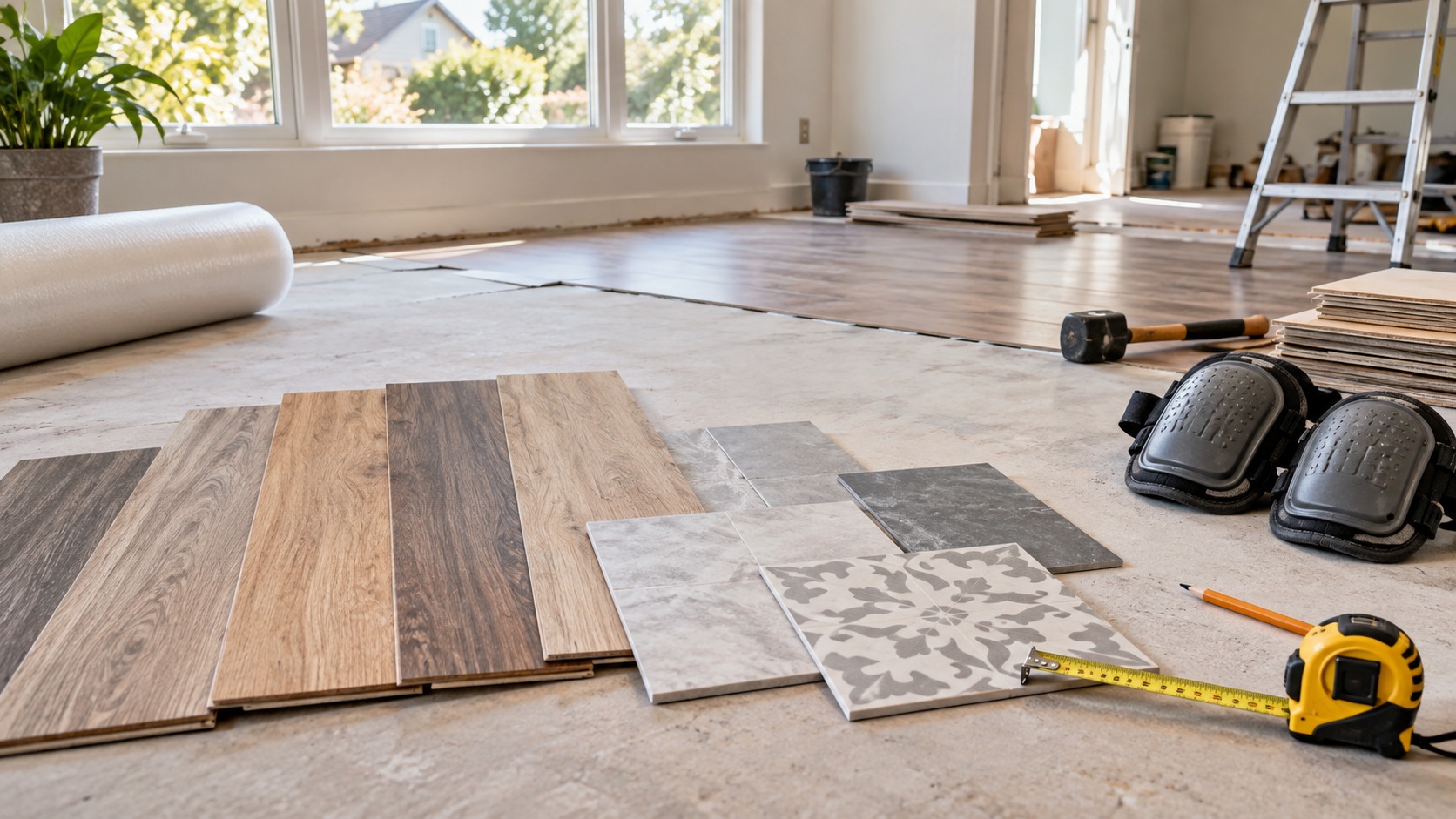
One of LVP’s greatest strengths lies in its chameleon-like ability to adapt to any design aesthetic. Thanks to advanced printing and embossing technology, manufacturers can replicate virtually any wood species or tone—from pale maple and honey oak to deep espresso walnut or weathered barnwood.
Many LVP collections even feature registered embossing, where texture aligns precisely with the printed grain, adding a tactile authenticity that fools even trained eyes. You can choose wide planks for a modern, airy feel or narrower boards for traditional elegance.
And it doesn’t stop at wood. LVP also comes in stone, slate, and ceramic looks, expanding creative possibilities across rooms. This design freedom allows homeowners to craft cohesive interiors that look high-end without breaking the bank.
Waterproof and Worry-Free
Water is hardwood’s natural enemy—but for LVP, it’s no match. Luxury Vinyl Plank is fully waterproof, meaning spills, splashes, or leaks won’t cause swelling, warping, or buckling. This makes it a top choice for kitchens, bathrooms, laundry rooms, and basements—spaces where traditional wood would never survive. Families with pets appreciate the peace of mind, knowing that accidents won’t lead to permanent damage. Even better, many modern LVP systems include tight click-lock edges and waterproof cores, sealing out moisture completely. For homes in humid climates or busy households, this protection turns flooring into a worry-free experience.
Built for Everyday Life
Durability is where LVP shines brightest. The top wear layer acts as a shield against scratches, dents, and stains. High-traffic areas like hallways or living rooms remain pristine even after years of use.
Manufacturers measure this toughness in mils—the thicker the wear layer, the longer the plank will last. Residential-grade LVP usually ranges from 12 to 20 mil, while commercial versions can reach 30 mil or more. Because it’s designed to handle real life—sliding chairs, dropped toys, or pet claws—LVP maintains its finish without the need for refinishing. It’s the kind of flooring that looks new even when life gets messy.
Easy Installation, Instant Transformation
Another reason behind LVP’s growing popularity is its installation flexibility. Unlike hardwood that requires nails, adhesives, and professional sanding, most LVP planks click together effortlessly.
Homeowners who enjoy DIY projects can often install floating LVP themselves with minimal tools. The click-lock systems are intuitive, and many planks include pre-attached underlayment for sound reduction and comfort.
For professionals, LVP saves installation time, allowing large spaces to be completed quickly and cleanly. It can be installed over almost any existing subfloor, including concrete, tile, or plywood, making it perfect for remodels.
Comfort Meets Technology
LVP’s comfort comes from its layered composition and underfoot warmth. Many models feature cork or foam backing, providing subtle cushioning that reduces fatigue—especially important in kitchens where people stand for long periods.
The material’s sound-dampening quality also makes it ideal for open-plan homes and multi-family dwellings, reducing echoes and footstep noise. Combined with its natural temperature neutrality, LVP creates a cozy, quiet, and welcoming atmosphere that feels luxurious without the maintenance burden of natural materials.
Eco-Friendly Innovation
Modern LVP manufacturers are responding to growing environmental awareness. Many brands produce low-VOC (volatile organic compound) flooring to improve indoor air quality. Some use recycled materials in their cores and practice sustainable sourcing for vinyl and adhesives.
Certifications like FloorScore and GREENGUARD ensure that LVP products meet strict emissions standards. And because of its long lifespan and low maintenance, LVP reduces the need for replacement, conserving resources over time.
While vinyl isn’t biodegradable, the flooring industry is evolving toward closed-loop recycling programs that reclaim and repurpose materials. In terms of sustainability per lifecycle, LVP’s durability and energy efficiency make it a responsible choice for eco-conscious homeowners.
LVP vs. Other Flooring Options
When compared to hardwood, laminate, and tile, LVP delivers a powerful combination of benefits. Hardwood offers unmatched prestige but comes with high cost and maintenance. Laminate is affordable but not waterproof. Tile is durable but hard and cold. LVP takes the best attributes of each—warmth, durability, and affordability—and merges them into one material. It looks as rich as wood, feels softer than tile, and handles moisture better than laminate. For many households, it strikes the ideal balance between performance and design, redefining what “luxury” means in flooring.
The Downsides to Consider
No product is without drawbacks. While LVP excels in most areas, it does have limitations. Sharp objects can still puncture it, and heavy furniture can cause dents if left unprotected.
Direct sunlight over many years may fade certain finishes, although UV-resistant coatings are improving. And while LVP mimics wood beautifully, purists may still prefer the tactile authenticity of real hardwood. Finally, though more affordable than hardwood, premium LVP with thick cores and high-end finishes can approach mid-tier wood pricing. It’s a small trade-off for its resilience, but one worth factoring into budget planning.
Maintenance Made Effortless
Few flooring options can claim to be as low-maintenance as LVP. Regular sweeping or vacuuming removes dust and debris. Occasional mopping with a damp mop and neutral cleaner keeps the surface spotless. Because LVP resists stains and moisture, there’s no need for waxing or refinishing. The planks maintain their original luster for years, even in busy households. For pet owners and families, this easy care is a major advantage—one that saves both time and effort without compromising beauty.
The Luxury Factor: Affordable Elegance
What makes LVP truly “luxury” is how it delivers sophistication at a fraction of the cost. It’s the democratization of high-end design—offering everyday homeowners access to what used to be reserved for custom builds.
When paired with today’s minimalist interiors, LVP creates a sleek, seamless backdrop for furniture and decor. Its tactile realism adds warmth and elegance, helping transform ordinary rooms into high-design spaces. That ability to elevate interiors effortlessly has made LVP the darling of both designers and homeowners. It’s not just practical—it’s beautiful, aspirational, and modern.
Where LVP Shines Most
From coastal condos to suburban family homes, LVP proves its worth in every setting. It thrives in busy kitchens where spills are common, in bathrooms where moisture is constant, and in basements that demand durability. In commercial spaces like boutiques or offices, it withstands heavy foot traffic while maintaining a polished, professional appearance. Its versatility means it’s as suitable for cozy cottages as it is for sleek urban apartments. The flooring unifies spaces, adapts to décor, and provides long-term peace of mind—qualities that keep driving its popularity higher year after year.
The Future of LVP: Smarter, Greener, Better
As technology advances, LVP continues to evolve. Expect even more realistic textures, improved recyclability, and integrated features like antimicrobial coatings and click systems that enhance waterproofing.
Manufacturers are also experimenting with hybrid cores that combine comfort, strength, and sustainability in new ways. With ongoing innovation, LVP’s future looks as bright as its polished finish.
Its trajectory suggests that it’s not just a passing trend but a permanent shift in how we think about flooring—an evolution from functional necessity to design statement.
Final Thoughts: The Hottest Trend with Staying Power
Luxury Vinyl Plank isn’t just a flooring choice—it’s a lifestyle upgrade. It brings elegance, comfort, and performance together in one stunning package. Its waterproof resilience, vast design options, and budget-friendly versatility have made it a leader in modern interiors. For homeowners, designers, and builders alike, LVP offers the rare combination of beauty and practicality that defines great design. It’s no wonder that it’s not just the hottest flooring trend—it’s the future under your feet.