HVAC systems usually give warnings before they fail completely. The warning may be a room that no longer keeps up, a new sound at startup, a longer cooling cycle, a burning smell, water near the air handler, or a bill that climbs while comfort gets worse.
The important question is not whether the system still runs. A struggling furnace, air conditioner, or heat pump can run for a long time while damage builds. The better question is whether it is behaving normally for your house, weather, airflow, and usual thermostat settings.
A: Not by itself. Compare weather, settings, equipment type, and previous behavior; a persistent unexplained change deserves assessment.
A: Harsh mechanical or electrical sounds require prompt attention and may warrant stopping operation; an uncertain sound should be described to the service provider rather than ignored.
A: No. Compare consumption, rates, weather, and comfort, then obtain findings about the equipment before deciding.
A: Provide the onset, frequency, conditions, codes, and safely gathered recordings of the intermittent symptom.
A: Persistent nonemergency changes are a reason to schedule diagnosis earlier; safety warnings require immediate action instead of waiting.
A: A change from the system's previous pattern matters more than its mere presence. Weather, settings, defrost behavior, and performance need model-specific review.
A: No. Routine care may remove a contributing condition, but continuing symptoms require diagnosis rather than repeated maintenance alone.
A: Not necessarily. Ask the provider to investigate whether another condition remains or whether the initial diagnosis needs revision.
A: It should identify the supported findings, proposed work, expected benefit, unresolved concerns, and how the repair will be verified.
A: Discuss it when condition, recurring repair needs, parts availability, operating performance, and comfort goals justify comparison, not solely because the unit reaches a particular birthday.
Start With Changes From Normal
Every home has quirks. One bedroom may always run a little warmer, or one basement room may always feel cooler. The repair clue is a change from the pattern you already know. A room that used to be comfortable but now lags behind is more useful information than a room that has always been difficult.
Write down what changed and when. Did the problem begin after a filter change, thermostat adjustment, storm, power outage, duct work, renovation, or extreme weather? HVAC diagnosis is much easier when the symptom has a timeline.
Before calling for service, check simple room causes: blocked registers, closed doors, dirty return grilles, furniture against vents, new curtains over registers, or a thermostat affected by sunlight. If the room is clear and the symptom remains, the equipment may need attention.
Uneven Heating or Cooling
Uneven rooms can point to duct problems, airflow restrictions, blower issues, dirty coils, refrigerant trouble, damper changes, insulation gaps, or return-air problems. The pattern matters. One weak room is different from an entire floor that no longer keeps up.
Compare airflow at several registers while the system is running. A register with weak airflow may suggest a duct, damper, or branch issue. Strong airflow that still does not heat or cool well may point toward temperature, load, or equipment performance.
If a previously comfortable area changes suddenly, do not ignore it just because the system still runs. Uneven comfort is often one of the first signs that the system is working harder than it should.
Longer Run Times
Longer run times are normal during harsher weather. They become a warning when the system runs longer than it used to under similar outdoor conditions. If the thermostat setting is the same but the equipment runs deeper into the evening, something may be changing.
Possible causes include restricted airflow, dirty coils, low refrigerant, weak blower performance, aging equipment, thermostat problems, duct leakage, or added load from air leaks in the house.
Compare similar days rather than relying on memory. Outdoor temperature, sun exposure, humidity, wind, and household activity all affect runtime. A short note in your phone can help separate a true trend from a one-day weather event.
Short Cycling
Short cycling means the system starts, runs briefly, shuts off, and then starts again before the home changes temperature much. That pattern is hard on motors, compressors, controls, ignition parts, and electrical components.
Check simple causes first: dirty filter, blocked vents, thermostat location, thermostat batteries, and whether sunlight, lamps, appliances, or drafts are affecting the thermostat. If those checks do not solve it, schedule service.
Do not let short cycling continue for days because the system technically still turns on. Repeated starts are stressful, and the underlying cause may become more expensive if ignored.
Weak Airflow
Weak airflow may show up as vents that barely move air, rooms that take too long to change temperature, or a system that sounds like it is working but does not deliver comfort. The first check is the filter, because a loaded filter can restrict the entire system.
Use the correct size and type of filter. A very restrictive filter can cause airflow problems even when it is new. Also check return grilles, supply registers, and obvious duct obstructions.
If airflow stays weak with a clean, appropriate filter and open registers, the issue may involve the blower, duct restrictions, coil buildup, static pressure, or a failing component that needs proper testing.
New or Sharper Noises
Noise changes are strong repair clues. Rattling may be a loose panel or duct movement. Screeching can suggest belt or motor trouble on certain systems. Buzzing may point toward electrical components. Scraping, grinding, booming, or repeated clicking deserves quick attention.
Notice when the noise happens. Startup, ignition, blower ramp-up, outdoor fan start, compressor start, shutdown, and defrost cycles all point toward different areas of the system.
Record a short video from a safe distance. Do not remove panels or reach inside energized equipment to chase a noise. A technician can often use the sound and timing to narrow the diagnosis.
Odors That Return
A brief dusty smell at the first heating cycle of the season may clear quickly. A smell that returns every cycle is different. Burning electrical odor, gas smell, musty supply air, sour condensate odor, or hot plastic smell should not be ignored.
Gas odor is an immediate safety issue. Leave the area and follow local utility or emergency guidance. Do not continue troubleshooting inside the space.
Musty odors can point to moisture, dirty coils, clogged condensate drains, duct contamination, or humidity problems. Fragrance does not fix the cause, and the smell can be an early warning of water or indoor air issues.
Water Near Indoor Equipment
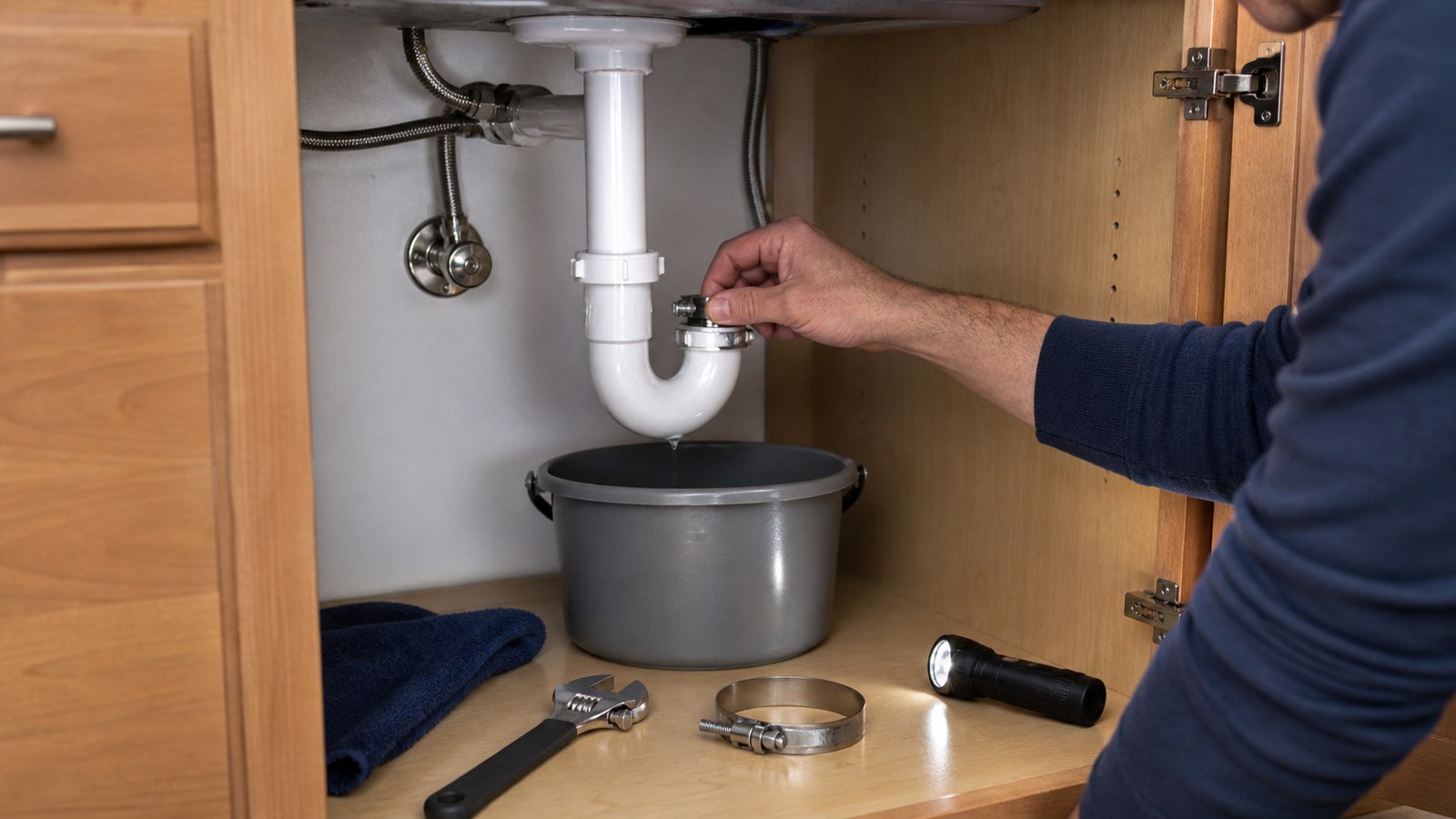
Water around an indoor unit can come from a condensate drain, drain pan, pump, humidifier, frozen coil, or nearby plumbing. The source matters, but the first priority is preventing damage to floors, ceilings, walls, and electrical parts.
If the system has a float switch, do not bypass it. That switch may be stopping the system before water spreads. A system that repeatedly shuts off from condensate trouble needs the drain path inspected.
Look for patterns: water only during cooling, water after long runs, water near a pump, or water after the filter was neglected. Take photos before cleanup if service is needed.
Ice on Cooling Components
Ice on an air conditioner or heat pump is not proof that the system is cooling strongly. It is usually a sign of airflow trouble, refrigerant issues, coil problems, metering trouble, or control problems.
Turn cooling off and allow the system to thaw safely. Check the filter and airflow path. Do not keep running the system while frozen, because airflow gets worse and meltwater can create a second problem.
If ice returns after basic airflow checks, call for service. Adding refrigerant without finding the cause is not a complete repair.
Utility Bills Climb While Comfort Drops
Energy bills can rise because rates change, weather changes, or household use changes. The warning sign is a higher bill paired with worse comfort under similar conditions. That means the system may be working harder for less result.
Look at runtime, thermostat programming, filter history, recent home changes, closed registers, and whether rooms are being helped with space heaters or portable fans. Those clues show whether the problem is equipment, controls, airflow, or building load.
When cost rises and comfort falls at the same time, do not wait for a complete breakdown. That trend is one of the clearer signals that maintenance or repair is due.
Repeated Resets
A system that needs repeated breaker resets, thermostat resets, power cycling, or error-code clearing is not repaired. Resetting may restore operation temporarily, but the cause remains.
Write down what happens before each reset. Does the breaker trip at startup, after a long run, during rain, during heat mode, or when the compressor starts? Does the thermostat go blank? Does the same error code return?
One reset after a clear, minor event may be reasonable. Repeated resets are a service call, especially when electrical protection devices are involved.
Thermostat Behavior Changes
Thermostat problems can look like equipment problems. A blank display, weak batteries, incorrect schedule, poor location, loose connection, or incorrect mode setting can make the system behave strangely.
If the room temperature and thermostat reading do not seem to match, compare with another thermometer nearby. If the thermostat is near sunlight, a lamp, a supply register, a draft, or an exterior wall, it may be reading the wrong version of the room.
Recent thermostat replacement is important context. Incorrect setup, staging, heat pump settings, or wiring can create comfort and cycling problems even when the HVAC equipment itself is not the original cause.
Outdoor Unit Warning Signs
For cooling systems and heat pumps, the outdoor unit can reveal early trouble. Watch for unusual vibration, fan noise, buzzing, repeated starts, debris packed around the coil, ice in the wrong conditions, or a unit that runs while indoor comfort does not improve.
Keep vegetation, leaves, and stored items away from the unit so airflow can move through it. Do not wash or open electrical areas casually. Basic clearance and visual inspection are homeowner tasks; electrical and refrigerant diagnosis are service tasks.
If the outdoor unit sounds different than it used to, capture a short video and note whether it happens at startup, shutdown, or throughout the run.
Heat Pump Defrost Confusion
Heat pumps can behave differently from furnaces. In cold weather, a heat pump may enter defrost mode, steam may rise from the outdoor unit, and auxiliary heat may come on. Some of that can be normal.
The warning signs are excessive defrosting, outdoor ice that does not clear, cold air that never recovers, auxiliary heat running constantly, or a thermostat that cannot maintain the setpoint.
Knowing whether the system is a furnace, air conditioner, heat pump, or dual-fuel setup helps keep the diagnosis realistic. The same symptom can mean different things on different systems.
Age Plus Symptoms
Age alone does not mean the system is finished. A newer system can need repair, and an older system can still be worth maintaining. The combination of age and symptoms is what matters.
A fifteen-year-old system with rising bills, frequent repairs, noise changes, uneven comfort, and long run times deserves a different conversation than a newer system with one clogged condensate drain.
Ask for repair findings in plain language: what failed, why it matters, what caused it if known, and what else the technician observed. Good notes help you decide between repair, maintenance, and replacement planning.
Maintenance History Matters
Repair signs are easier to interpret when you know the maintenance history. A system with regular filter changes, clean coils, clear drains, and documented service gives different clues than a system that has been running for years without attention.
If maintenance has been inconsistent, start by correcting the basics before assuming the worst. Dirty filters, neglected coils, clogged drains, and blocked outdoor units can all make equipment look weaker than it really is.
That said, maintenance is not a magic reset. If symptoms remain after the basics are corrected, the system deserves a proper diagnostic visit rather than another round of guesswork.
Repair or Replacement Signals
Some warning signs point toward a simple repair. Others suggest the system is entering a more expensive stage of life. Repeated major repairs, rising operating cost, obsolete refrigerant, unavailable parts, comfort problems, and age together may justify replacement planning.
Do not make that decision from one symptom alone. Ask what the immediate repair solves, what remains uncertain, and whether the rest of the system was inspected. A clear repair estimate should explain both the failed part and the condition of the equipment around it.
The best time to discuss replacement is before an emergency, when you can compare options calmly. A warning sign caught early gives you that room.
When to Shut the System Down
Shut the system down and call for help when you smell gas, smell electrical burning, see smoke, see ice returning after thawing, find water near electrical components, hear severe grinding or scraping, or have breakers that trip repeatedly.
Also stop if the furnace shows flame rollout, the heat exchanger is suspect, carbon monoxide alarms activate, or the outdoor unit makes violent mechanical noise. Comfort is not worth running unsafe equipment.
If the issue is mild, document and schedule service. If it involves safety, stop first and diagnose second.
What to Tell the Technician
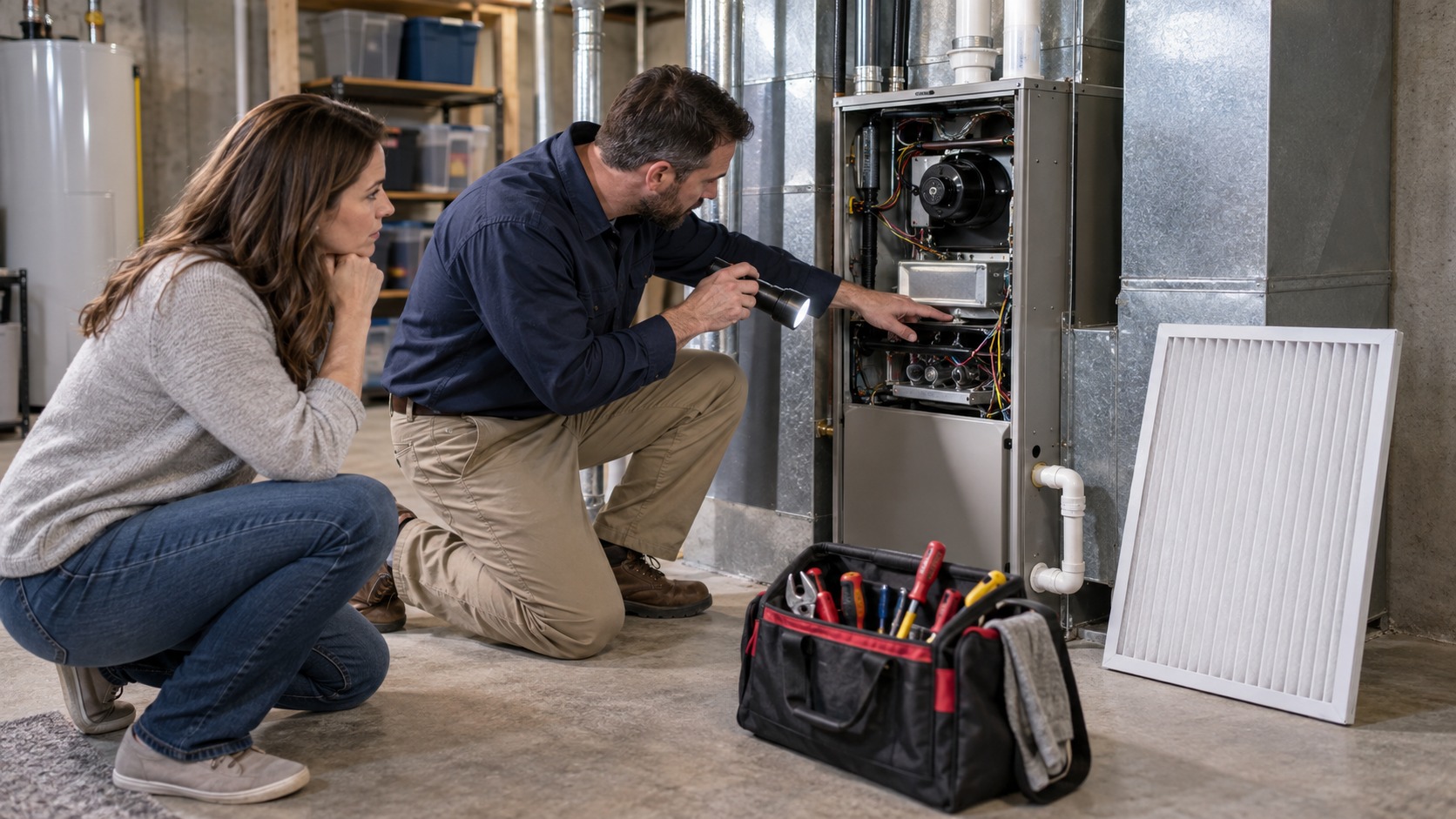
Useful service notes include the symptom, when it started, indoor and outdoor conditions, thermostat setting, filter age, recent work, noises, odors, water, ice, error codes, and whether the problem is constant or intermittent.
Photos and videos can help, especially for noises, leaks, ice, and error codes. If a code appears, write it down before power cycling because some systems clear codes after a reset.
Clear notes save diagnostic time and help the technician avoid chasing a symptom that only happens under certain conditions.
Final HVAC Repair Review
HVAC repair signs usually show up as changes: uneven rooms, longer run times, short cycling, weak airflow, new noises, odors, water, ice, repeated resets, thermostat problems, or rising bills with worse comfort. Each symptom is a clue about where the system is struggling.
Handle simple visible checks first, but do not ignore safety warnings or repeated patterns. Repair is usually easier before the system quits during extreme weather, and the best service call starts with clear notes about what changed.