Look Beyond the Shingle Price When Budgeting a Roof
Angi’s US roof-replacement guide, updated October 22, 2026 and checked November 2, reports a $9,610 average and a usual $5,903–$13,378 project range across 32,999 verified jobs. Its separate broad rate is $4–$11 per square foot of roof surface. The project range combines different roof sizes and scopes; the rate produces a wider $8,000–$22,000 screen when applied to the particular 2,000-square-foot example below. Neither is a material-specific bid or a rate for living area. Removal, deck repairs, underlayment, flashing, ventilation, access, and disposal can change the price substantially. Start with a measured roof, a condition assessment, and a defined replacement assembly. Then compare contractor proposals against that shared description, keeping repair allowances and optional covering upgrades visible. The useful budget explains what work the house needs and who will complete it, rather than presenting the cheapest shingle price as the cost of a finished roof.
A: No. A qualified condition assessment should establish the cause and appropriate scope.
A: No. Slope, overhangs, and roof geometry change the surface quantity.
A: Use measured roof surface, not living area; one roofing square is 100 square feet of roof covering area.
A: The contractor should assess and explain any proposed reuse.
A: Agree on documentation, pricing, and approval before tear-off.
A: No. Evaluate the actual ventilation, air leakage, insulation, and moisture conditions.
A: Product and workmanship coverage can be separate and need individual review.
A: Only the written scope establishes whether interior restoration is included.
A: Compare products, removal, repairs, interfaces, and exclusions first.
A: A measured roof, documented conditions, and comparable current local proposals.
Establish Whether Replacement Is the Right Scope
A leak or missing shingle does not automatically prove that every part of a roof needs replacement. Have a qualified roofing professional assess the condition, cause, and realistic repair options. Consider the roof covering, flashing, penetrations, deck, and accessible attic evidence together. Avoid making a major spending decision from a single stain or an inspection performed only from the driveway.
Where replacement is justified, ask the contractor to explain why and document the relevant findings. Photographs help connect the proposal to actual conditions. Keep structural concerns or significant interior damage visible as separate responsibilities. A roofing contract should not silently assume that every problem below the covering will disappear when new material is installed.
Use Roof Area Rather Than Floor Area
The home’s interior floor area is not the same as its roof surface. Slope, overhangs, garages, porches, and projections affect the quantity being covered. Roofers may describe area in squares, with one square representing 100 square feet of roof surface. Ask how the measured area and waste allowance were established.
Waste changes with the layout and selected material. A straightforward roof plane needs fewer complicated cuts than a roof with many hips and valleys. Compare quantities across quotes and ask about significant differences. A lower material total can reflect a different measurement assumption rather than a genuine discount.
Let qualified professionals obtain roof measurements safely. Do not climb onto a roof to verify a contractor’s quantity without the necessary equipment and expertise. Plans, suitable measurement services, and professional site assessment can inform the estimate. Your role is to understand the scope and ask for an explanation of the quantity, not to take an unnecessary fall risk.
Specify the Covering Precisely
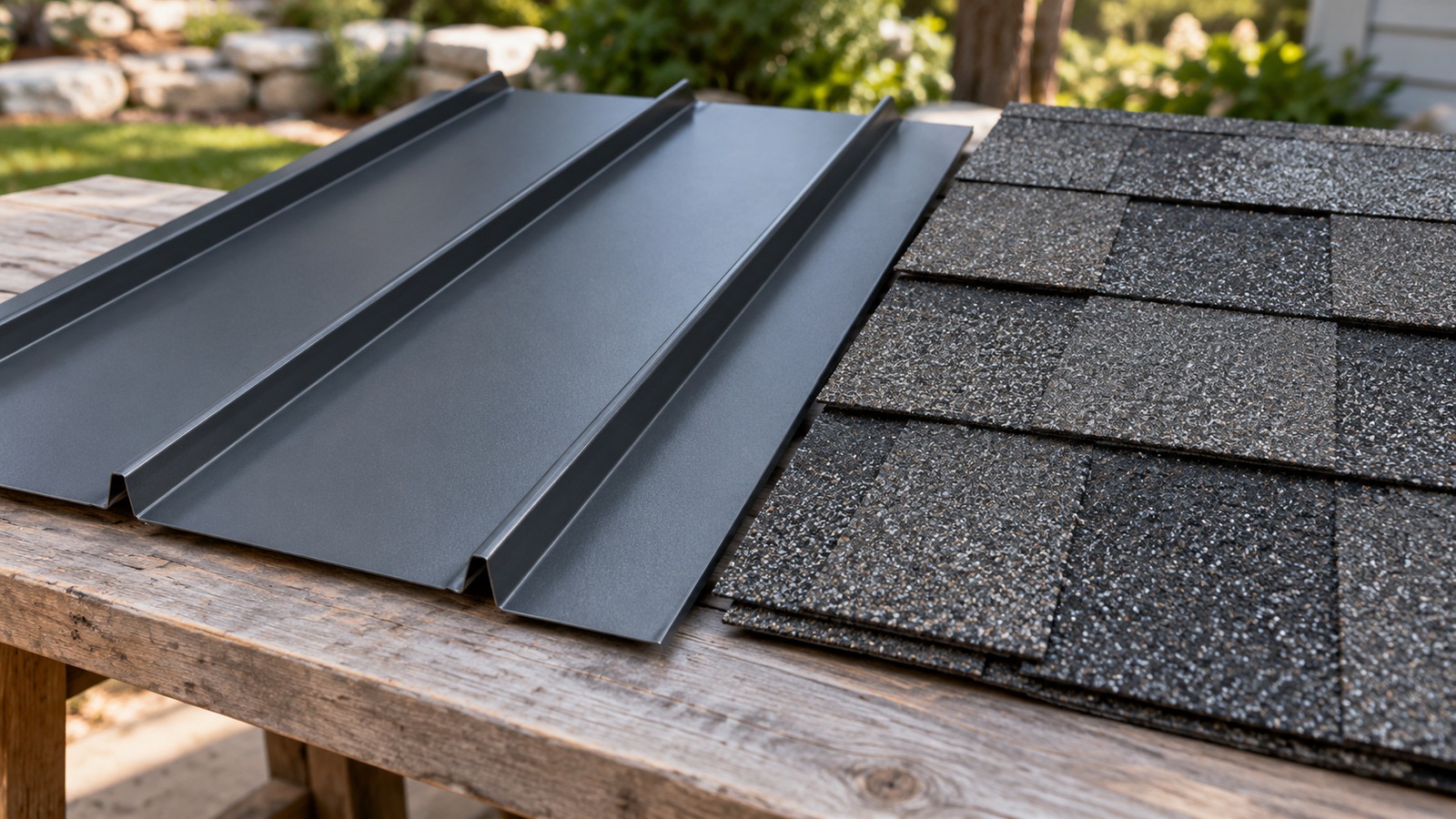
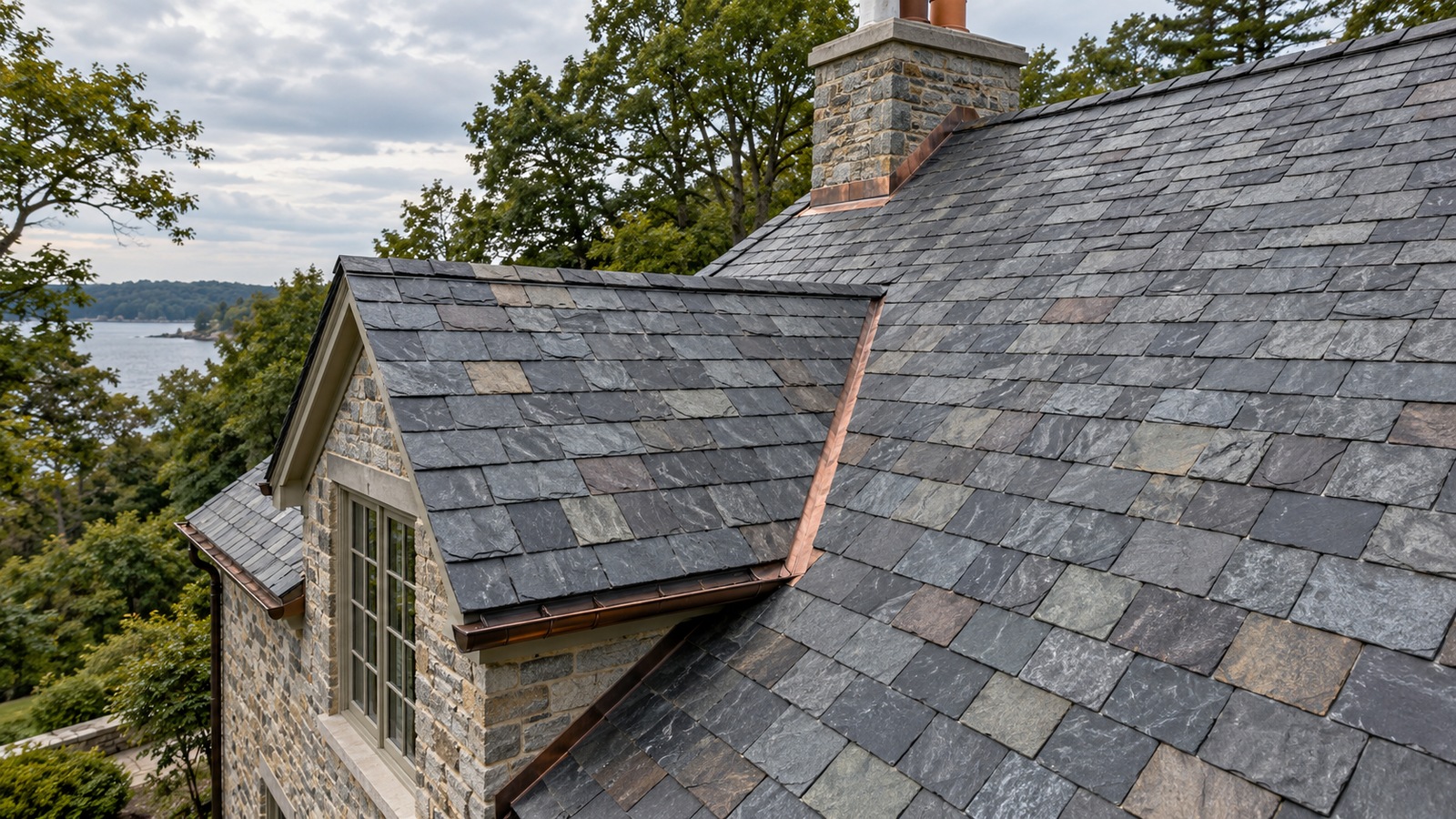
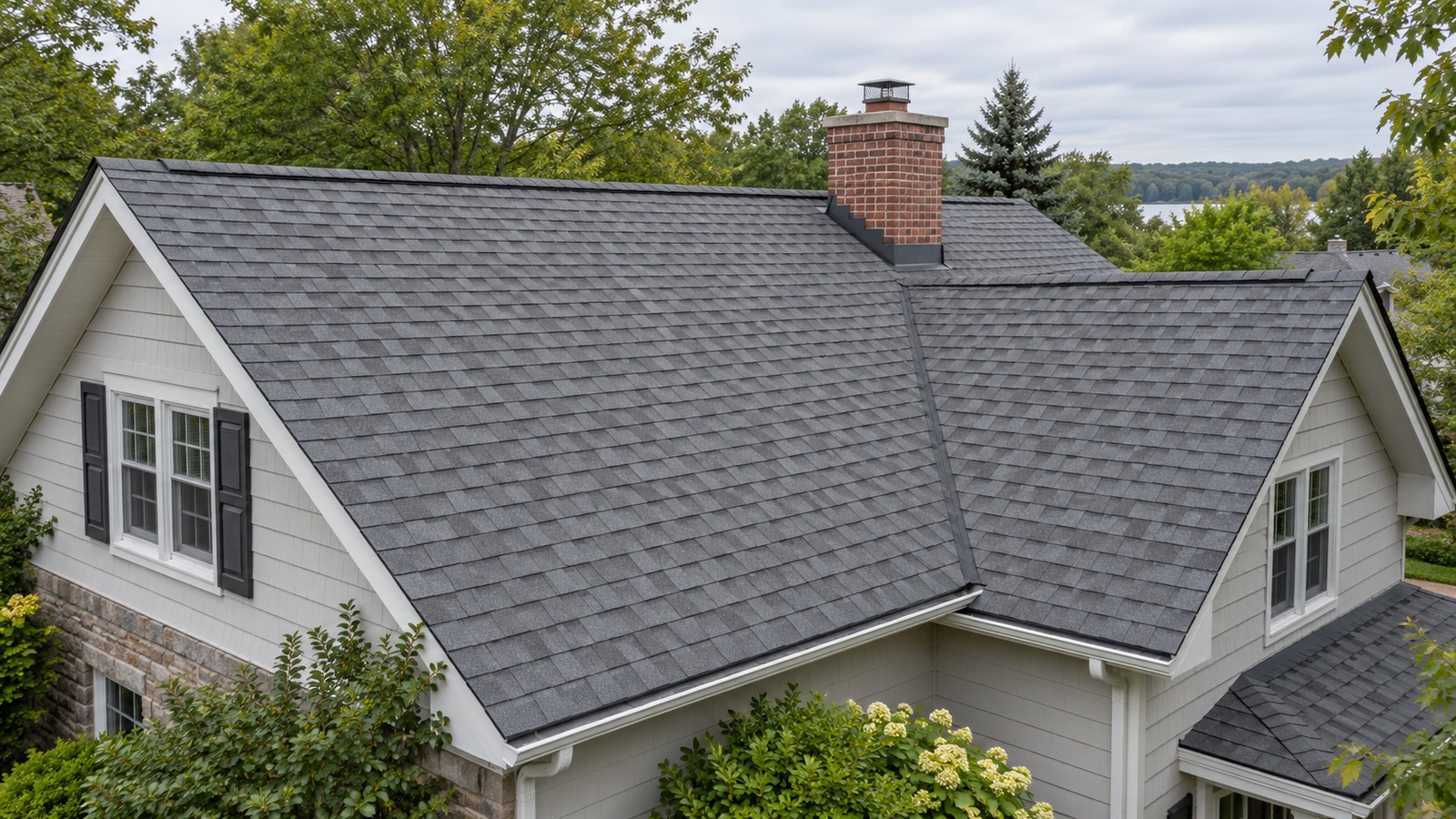
Asphalt shingles, metal systems, tile, slate, and other roof coverings differ in weight, installation details, appearance, and cost. Even within one category, product tiers and configurations vary. Request the manufacturer, exact product line, color, and relevant accessories. If changing to a materially different assembly, obtain the appropriate review of structural support and compatibility. The roof cannot be priced accurately by naming only a broad category such as metal or architectural shingles.
Include Tear-Off and Disposal
Removing old covering creates labor, handling, and disposal costs. Multiple layers or difficult materials can change the work. Ask whether the quote assumes complete tear-off and what happens if the existing conditions differ from that assumption. A recover proposal and a tear-off proposal are different scopes and need separate technical evaluation.
Describe how debris will reach the collection point and how the property will be protected. Driveways, landscaping, decks, and neighboring access may constrain equipment placement. Confirm who arranges containers and removes them after the work. Cleanup should include appropriate attention to loose fasteners and debris around the building, not simply loading the largest pieces into a truck.
Make Deck Repairs an Explicit Allowance
The roof deck provides the base for the new assembly. Its full condition may not be visible until removal, so some uncertainty is reasonable. Ask how the contractor will identify unsuitable areas and document the need for replacement. Repairs should use materials and fastening appropriate to the roof design and applicable requirements.
Establish pricing and authorization for additional deck work in advance. A unit price for a defined repair can be useful when its material, area, and included labor are clear. Avoid an unexplained allowance that gives no indication of what happens when it is exceeded. Keep the distinction between ordinary deck repair and a larger structural problem that needs additional expertise.
Request photographs while the affected areas are exposed. They help explain the extra work and support the project record. A contractor should be able to describe the condition in practical terms rather than relying on a vague claim that the wood was bad. Documentation makes a necessary change easier to assess and avoids disputes after the new covering hides the evidence.
Price Flashing as Essential Roof Work
Valleys, chimneys, sidewalls, roof edges, and penetrations need appropriate water-management details. New shingles around worn or incorrectly integrated flashing may leave the source of a leak unresolved. Ask what will be replaced, what is proposed for reuse, and why that approach is suitable. Flashing is part of the roof assembly rather than a cosmetic add-on. When adjoining wall or chimney work is needed, identify who will perform it and how it fits the schedule.
Review Underlayment and Other System Components
The proposal should describe the specified underlayment, starter components, ridge treatment, edge metals, and any required protective membranes. Their selection and placement depend on the roof system, climate, slope, and applicable requirements. A material brand name alone does not explain the complete installation. Ask the contractor to identify the assembly being priced.
Manufacturer instructions and local requirements should guide the details. GAF’s homeowner roof-cost guidance includes roof system components and site variables among the factors affecting replacement cost. Use that as a reminder to compare complete scopes. Do not infer that every accessory with a premium label is necessary or that the cheapest omitted component is unimportant.
Address Ventilation Without Guessing
Attic and roof ventilation concerns should be evaluated with the actual building assembly. Intake, exhaust, insulation, air leakage, and moisture conditions interact. Adding vents indiscriminately is not a reliable response to every attic problem. Ask what condition the proposed ventilation work is intended to correct.
Some houses use assemblies that need a different strategy from a conventional ventilated attic. Have the contractor identify the existing arrangement and obtain appropriate expertise where the scope requires it. Keep air-sealing or insulation work distinct if it is outside the roofing contract. A clear division of responsibility prevents a roof proposal from making promises about work nobody has agreed to perform.
Also ask whether existing fans and ducts terminate appropriately. A bathroom exhaust issue is not solved merely by replacing the roof covering. If service work is needed, include the responsible trade and the intended detail. Resolve those interfaces while access is available rather than waiting until the new roof is complete.
Account for Steepness, Height, and Access
Steep slopes, upper stories, limited staging space, and complex geometry can increase labor and equipment needs. These costs reflect how the work must be performed, even when the roof area is modest. Explain driveway restrictions and nearby obstacles during the site visit. Ask how the contractor plans to protect occupied areas and maintain necessary access. Comparing your house with a simple low-roof example will not produce a useful expectation unless those differences are included.
Use a Measured Roof to Test the Budget
Consider a contractor-measured 2,000-square-foot roof surface, equivalent to 20 roofing squares, on a straightforward asphalt-shingle project. Applying the broad $4–$11 guide above produces an $8,000–$22,000 screening span. That calculation describes roof area, not a 2,000-square-foot house footprint, and it is not a quote. Record the chosen shingle, roof pitch, number of stories, existing layers, disposal access, valleys, chimneys, and other penetrations before comparing local proposals. This screen is not expected to match the mixed-project usual range: it fixes one roof area and uses the endpoints of a separate broad rate.
Ask the bidder to identify the tear-off, underlayment, flashings, ventilation work, and completion tasks included in the installed total. For damaged sheathing, request a stated unit price and the process for documenting how many units are actually replaced. A clearly priced repair allowance is more useful than assuming every deck is sound or adding an unexplained lump sum after tear-off.
Separate two decisions: what makes the roof serviceable and what upgrades its selected finish. A higher-grade covering should be quoted against the same necessary repair scope. If access equipment, extensive structural repairs, regulated-material work, or a different covering system is required, obtain a fresh scoped price. The national figures cannot resolve those conditions, and a sample sum should not conceal them.
Check the Costs Outside the Roofing Contract
Interior ceiling repairs, painting, damaged insulation, gutters, solar equipment, and chimney work may be outside the main proposal. Confirm each relevant item rather than assuming roof replacement includes every water-related repair. Where solar panels or other equipment must be removed and reinstalled, coordinate qualified service and responsibility. The household’s full budget should include those arrangements even when several companies invoice separately.
Compare Contractor Proposals Before Discounts
Give bidders the same condition information and desired scope. Compare material identification, tear-off assumptions, repair allowances, flashing details, ventilation work, cleanup, and project services. Ask about applicable licensing, insurance, and permit responsibility through appropriate local checks. The aim is a clear, accountable proposal rather than an unexplained price contest.
Read warranty terms carefully. Product coverage and workmanship coverage are different, and remedies may exclude certain costs or conditions. Confirm who will respond if a leak appears and how claims are documented. Retain the signed scope, approved changes, inspection records, and installed product information.
Review payment timing and financing separately. A promotional payment figure can obscure the amount paid over time. Compare the underlying cash scope before evaluating financing terms or discounts. A discount is only meaningful when you understand the work and products to which it applies.
Keep Optional Upgrades Separate From Necessary Repairs
Request optional covering, color, and appearance upgrades as additions to the same complete repair scope. A lower-cost proposal still needs suitable flashings, underlayment, and treatment of documented deck damage. Ask which changes improve a specific roof condition and which mainly alter appearance. Coordinate future equipment or penetrations before the new covering is installed so a later project does not immediately disturb completed work.
Plan the Construction Period and Final Review
Ask how the contractor handles weather interruptions, temporary protection, delivery, and the daily condition of the site. Know which doors or parking areas may be affected. Protect household belongings through the agreed plan and discuss any special concerns before work begins. The schedule should allow for necessary inspections and legitimate repairs without treating them as surprises.
At completion, review the agreed scope and unresolved items with the contractor. Request the appropriate records and maintenance guidance, and inspect accessible cleanup areas from the ground. A roof budget is successful when it produces a complete suitable assembly with clear responsibilities. The most reliable cost guide is therefore a measured roof, a documented condition assessment, and comparable current local proposals.