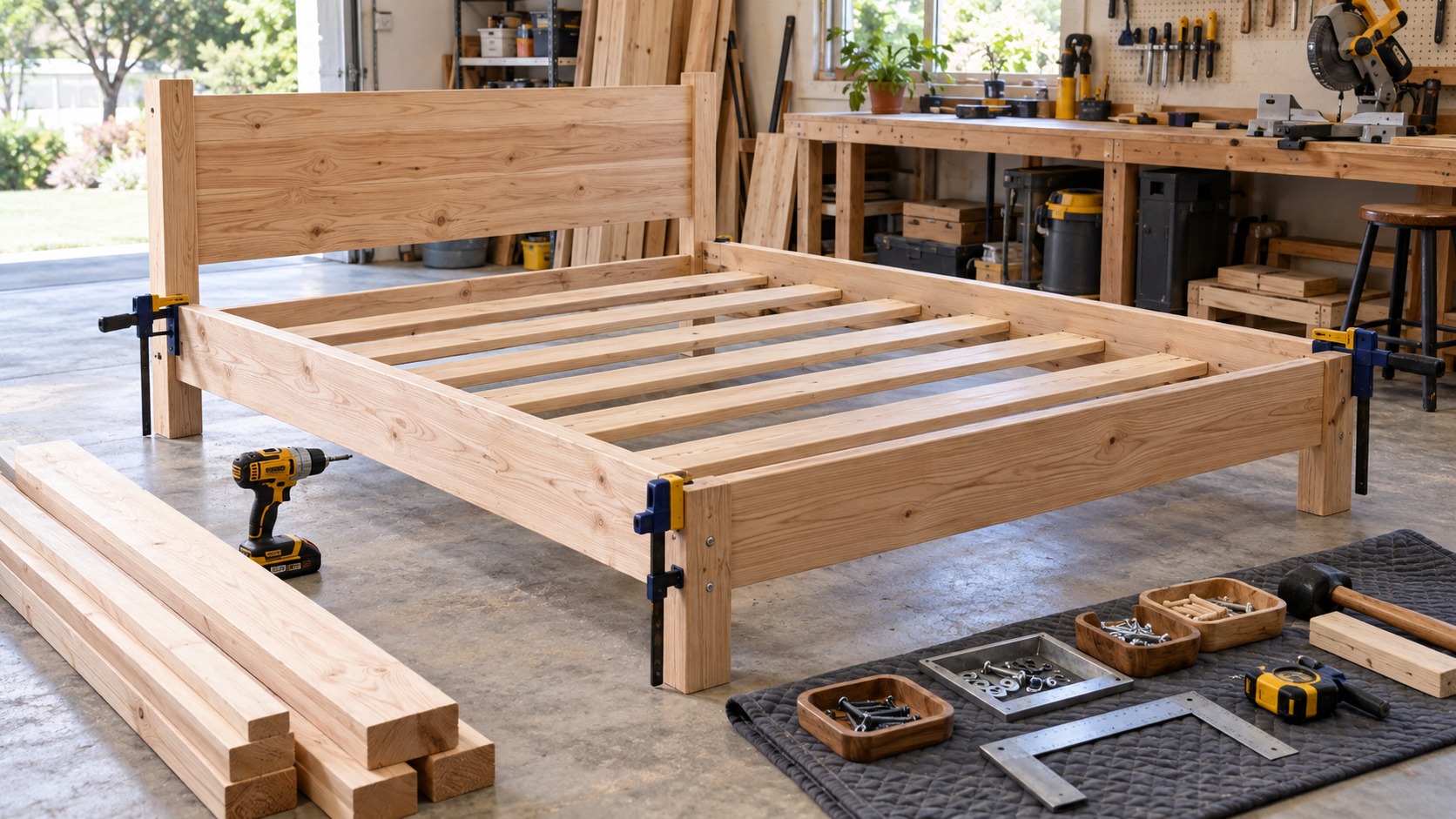
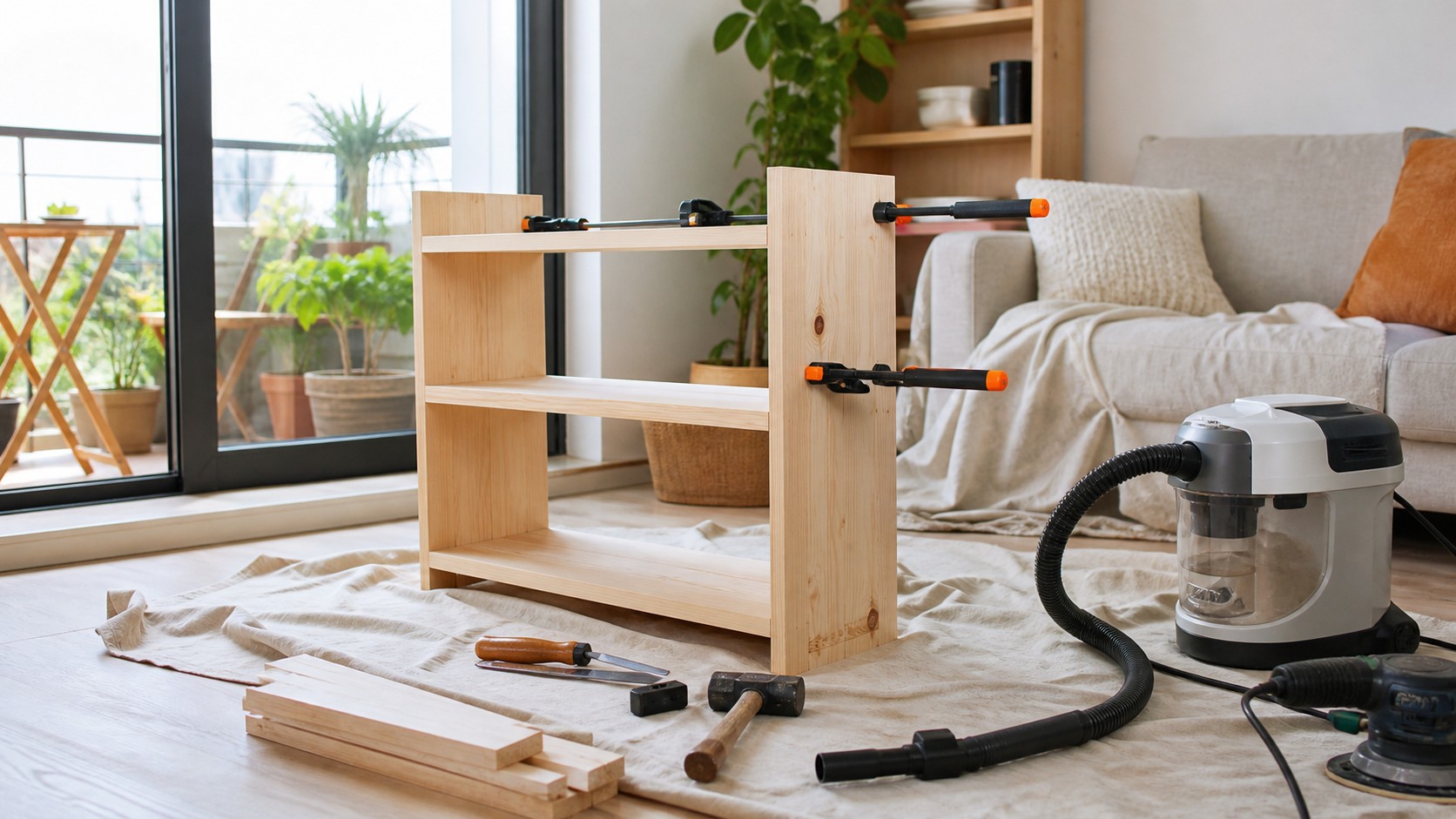
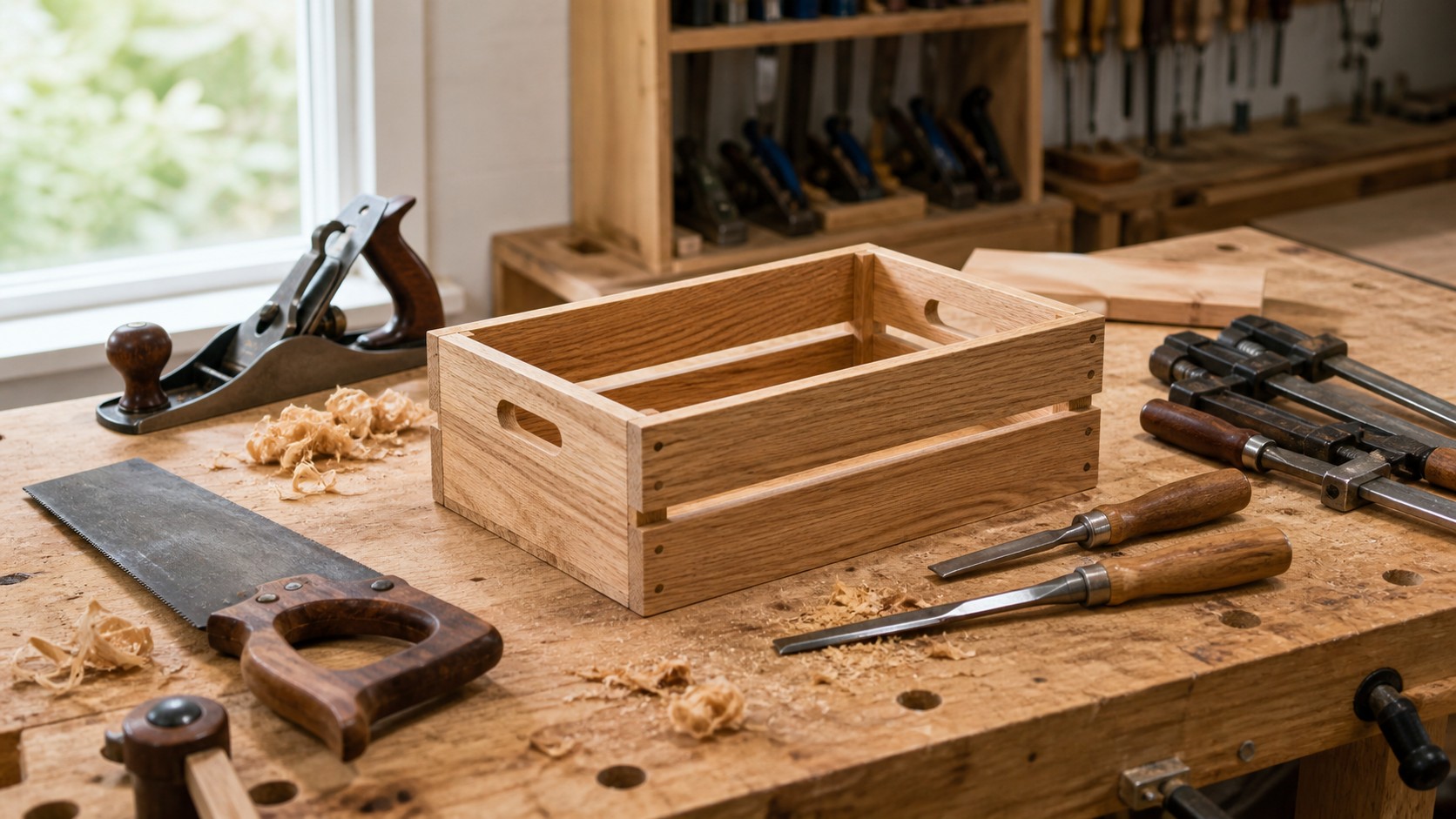
A good weekend woodworking project should feel useful by the end of the day, not turn into a half-built pile that occupies the garage for three weeks. The best one-day builds use simple parts, common tools, realistic joinery, and a finish that can dry fast enough for the project to be handled.
Think small, sturdy, and specific: a wall shelf, boot rack, bath tray, planter box, lap desk, small bench, tool tote, entry organizer, or simple side table. The win is not complexity. The win is a clean piece that solves a real problem before the weekend disappears.
A: A short cut list, simple joinery, ready materials, fast finish, and clear purpose.
A: Buy wood, screws, brackets, finish, sandpaper, blades, brushes, and cleanup supplies.
A: Glue is fine when clamping and drying time fit the schedule without rushing.
A: Shelves, trays, boot racks, totes, ledges, monitor stands, plant stands, and simple benches.
A: Keep parts few, dry fit early, use familiar tools, and stop adding features.
A: Thin coats of shellac, water-based finish, wax, or oil can work when tested first.
A: Sand visible surfaces, touch points, and edges until the project feels clean and safe.
A: Yes, if they are already sorted, straight, safe, and large enough for the design.
A: Starting with an ambitious design that requires special milling, long glue-ups, or slow finishing.
A: Test stability, load, hardware, edges, finish dryness, and cleanup before putting it into use.
Choose a True One-Day Project
The first rule is to pick a project that matches the time available. A one-day build should have a short cut list, limited parts, simple assembly, and a finish plan that does not require several days of curing. Drawers, doors, complex curves, hidden hardware, and large glue-ups usually push a project out of one-day territory.
Good candidates are useful objects with straightforward shapes. Shelves, racks, trays, small benches, storage boxes, plant stands, and simple outdoor totes all give enough satisfaction without demanding cabinetmaker-level setup. If the project needs a full sheet breakdown, multiple jigs, and specialty hardware, it is probably not a one-day build.
Buy Materials Before the Build Day
Shopping can quietly consume the best part of Saturday. Buy lumber, screws, glue, sandpaper, finish, hooks, brackets, and hardware before the actual build day if possible. Check boards for straightness and major defects at the store instead of discovering twist after the first cut.
If the project uses plywood, have rough pieces cut down ahead of time when that makes transport easier. The more material decisions are handled early, the more the build day can focus on measuring, cutting, assembling, sanding, and finishing.
Keep the Cut List Short
A project with repeat parts moves faster. Four shelf supports, two side pieces, three slats, or one repeated leg length are easier to cut accurately than a design with every part a different size. Repetition also makes mistakes easier to catch because the pieces can be compared against each other.
Write the cut list before turning on the saw. Mark each board, group similar cuts, and cut slightly oversized only when the plan includes trimming. For beginner projects, square cuts are friendlier than compound angles and curves.
Use Joinery That Fits the Clock
One-day woodworking is not the place to prove every traditional joint. Screws, glue blocks, pocket holes, dowels, rabbets, dados, brad nails, and simple half-laps can all be appropriate when used honestly. The right joint is strong enough for the project and realistic for the schedule.
Hide fasteners when it matters and leave them visible when the style allows it. A shop stool, garage rack, planter, or rustic shelf can show screws without looking unfinished. A living-room shelf may need plugs, trim, or cleaner joinery.
Dry Fit Before Assembly
A dry fit catches missing parts, backward pieces, clamp problems, and out-of-square frames before glue or screws make the mistake harder to fix. Lay out the pieces on a flat surface, check that the project looks like the sketch, and confirm that fasteners can reach where they need to go.
Measure diagonals on frames, check shelf spacing, and make sure the piece will fit where it will live. Ten minutes of dry fitting can save an hour of disassembly later.
Wall Shelf
A wall shelf is one of the best one-day projects because it uses few parts and becomes useful immediately. A simple design may need one shelf board, two brackets, or a small cleat system. The main decisions are length, depth, bracket style, and how the shelf will fasten into the wall.
Do not build the shelf without thinking about mounting. A beautiful shelf that misses studs or needs anchors you did not buy will not be finished by evening. Choose the wall location first, then size the shelf around the available support.
Entry Boot Rack
A boot rack is forgiving and useful. It can be made from two side rails and several dowels, slats, or angled supports. The rack keeps wet shoes off the floor and creates a defined landing spot near an entry, mudroom, garage door, or laundry area.
Use durable material and a finish that handles dirt and moisture. Leave enough spacing for air movement and cleaning. This is a good project for visible screws, simple sanding, and a wipe-on finish.
Bath Tray
A bath tray can be completed quickly with a single board, two underside cleats, and light sanding. The key is measuring the tub width carefully and making sure the tray cannot slide too easily. Rounded edges and a water-resistant finish make it feel more polished.
Keep the design simple. A book slot, candle recess, or cup holder can be added, but every feature adds measuring and finishing time. A clean tray with good proportions often looks better than one crowded with rushed cutouts.
Planter Box
A basic planter box is a strong weekend project because it uses repeat cuts and straightforward assembly. Cedar, treated lumber rated for the use, or other outdoor-suitable material can work depending on the location and plant type.
Plan drainage from the beginning. A planter without drainage becomes a water problem. Use exterior-rated fasteners, avoid trapping water against the wood, and choose a finish that makes sense outdoors.
Lap Desk or Sofa Arm Tray
A lap desk or sofa arm tray is small enough to finish in one day but useful enough to keep around. The project teaches measuring, edge treatment, sanding, and finish control without requiring a large shop setup.
Measure the sofa arm, chair arm, or intended user before building. A tray that almost fits is annoying. Add felt, cork, or small underside stops if the piece needs to stay put without scratching furniture.
Small Bench
A simple bench can be a one-day build if the design stays modest. A top, two end supports, and a stretcher can create a useful entry bench, plant bench, or low utility seat. Keep joinery strong enough for the intended load.
This project needs more care than a shelf because people may sit on it. Use stable materials, adequate fasteners, and a design that resists racking. If the bench will hold body weight, do not rely on decorative attachment alone.
Tool Tote
A tool tote is practical and satisfying. It can be made from side panels, a bottom, end pieces, and a handle. It teaches layout and assembly while creating something that helps future projects.
Size the tote for the tools it will actually carry. A tote that is too large becomes heavy. A tote that is too small becomes decorative. Round the handle edges and reinforce the bottom if heavy tools will ride inside.
Simple Picture Ledge
A picture ledge is even simpler than a full shelf and can change a room quickly. It usually needs a back strip, a bottom ledge, and a small front lip to keep frames from sliding. Because the pieces are narrow, the project is easy to cut, sand, and finish in one day.
Mounting still matters. Hit studs where possible or use anchors rated for the wall and load. A ledge full of framed art becomes heavier than it looks, especially when several frames lean on the front lip.
Desk Monitor Stand
A monitor stand is a useful small project for a home office. It can be as simple as a top board with two side supports, or it can include a shelf space underneath for a keyboard, notebook, or laptop dock. The main goal is height and stability.
Measure the desk, monitor base, and comfortable eye level before cutting. Add felt pads or rubber feet so the stand does not scratch the desk. This is a good project for clean edges and a smooth hand-feel because it will be used daily.
Garage Battery and Charger Shelf
A small charger shelf can organize drill batteries, chargers, bits, and small accessories in a garage or shop. It can be built from plywood scraps or solid boards and mounted near an outlet. Keep the design open enough for cords and airflow.
Do not trap chargers in a sealed box. Leave space for heat to escape and route cords so they do not pull on the shelf. This project is simple, but it solves a real workspace irritation quickly.
Kitchen Step or Plant Stand
A low step or plant stand can be finished in one day if the design is sturdy and modest. It needs a stable top, strong sides or legs, and enough bracing to prevent wobble. For a plant stand, water resistance matters. For a step, strength and slip resistance matter more.
Be honest about use. A decorative plant stand should not become a child’s step stool unless it is designed for that load. A one-day project still needs to be safe for the way the household will actually use it.
Pick a Fast Finish
Finish choice can make or break the one-day promise. Wipe-on oil, wax, shellac, certain water-based finishes, or spray finishes may fit a quick timeline depending on the project and conditions. Traditional paint or slow-curing finishes may need more time than the build itself.
Test finish on scrap from the same wood. Some boards blotch, darken, or raise grain more than expected. A quick test protects the finished piece from becoming a surprise at the last step.
Sand Enough, Not Forever
One-day projects need smart sanding. Break sharp edges, smooth touch points, remove pencil marks, and make visible faces consistent. Do not spend an hour sanding areas nobody will see unless they affect fit or safety.
Work through only the grits the project needs. A shop rack does not need the same surface as a tabletop. A child’s step stool, handle, tray, or bench needs extra attention where hands and skin touch.
Stop Adding Features
The fastest way to ruin a one-day project is to keep improving it after the plan is working. Extra shelves, curves, doors, inlays, hidden compartments, lighting, and complicated hardware can wait for another version.
Finish the useful core first. If there is still time, add one small improvement. A completed simple project teaches more than an ambitious project left unfinished.
Match the Project to the Tools Ready to Go
A one-day project should use tools that are already sharp, charged, and familiar. If the build requires tuning a new router table, learning a complicated jig, or buying a specialty blade halfway through the day, the schedule will probably slip.
Choose projects around the tools on hand: a circular saw and drill for a garage shelf, a miter saw for repeated slats, a jigsaw for a simple curve, or a sander for a tray that needs a better finish. Familiar tools make the day calmer and the results cleaner.
Avoid Glue-Up Traps
Glue-ups can be satisfying, but they can also consume a whole day with clamping, drying, scraping, and sanding. If the project depends on a perfect panel glue-up before assembly can start, it may not be a one-day project for a beginner.
Use pre-made boards, plywood, simple mechanical fasteners, or smaller subassemblies when the clock matters. Save complex glue-ups for a weekend when drying time is part of the plan.
Clean Up Before the Finish Cures
Plan cleanup into the day. Put tools away, clear sawdust, label leftover finish, and move the project somewhere safe to dry. A good project can still be damaged by dust, pets, children, or a misplaced clamp after the build is done.
Take a quick photo and make notes about dimensions, hardware, and what you would change next time. Those notes make the next weekend project faster and better.
Final Weekend Woodworking Review
The best one-day woodworking projects are useful, limited in scope, and designed around materials and tools that are ready before the day starts. Wall shelves, boot racks, bath trays, planter boxes, lap desks, small benches, and tool totes all work because they solve real problems without demanding a full furniture build.
Keep the cut list short, dry fit before assembly, choose fast joinery, use a finish that fits the schedule, and stop adding features once the project works. A finished project by evening is the real goal, and that usually comes from restraint as much as skill.