Choosing between LED, incandescent, and CFL bulbs is not just a question of brightness. The right bulb depends on energy use, heat, dimming, color quality, fixture rating, lifespan, disposal, and how the room is used after dark.
For most homes today, LED is the best default because it uses far less energy, lasts longer, and comes in many shapes and color temperatures. Incandescent still has a few specialty uses, while CFL has mostly become a transitional option with more limitations than advantages.
A: Compare lumens for brightness and watts for energy use.
A: LED is usually best for everyday use because it is efficient, available, and long-lasting.
A: It may fit specialty dimming, heat-tolerant fixtures, or decorative situations where efficiency is less important.
A: Rarely. LEDs now offer better instant brightness, dimming options, disposal simplicity, and fixture variety.
A: Flicker often comes from incompatible dimmers, poor drivers, loose connections, or unsuitable fixture conditions.
A: Use warmer light for relaxed spaces and neutral light where work, grooming, or detail matters.
A: CRI describes how accurately a bulb shows colors compared with a reference light source.
A: No. Use LEDs specifically rated for enclosed fixtures when heat cannot escape easily.
A: Use bulbs rated for the fixture location, moisture exposure, temperature, and enclosure type.
A: Take CFLs to an approved recycling or hazardous-waste location because they contain mercury.
Start With Lumens, Not Watts
Older lighting habits were built around watts because incandescent bulbs connected wattage closely to brightness. A 60-watt incandescent meant a familiar amount of light. LEDs and CFLs changed that because they produce similar brightness with much less power.
Use lumens to compare brightness. A bulb that replaces an old 60-watt incandescent may use only a fraction of that energy as an LED. Looking only at watts can lead to rooms that are too dim or fixtures that use more power than necessary.
LED Is the Best Everyday Choice
LED bulbs are usually the best choice for general home lighting. They are efficient, long-lasting, widely available, and offered in many styles: standard bulbs, recessed trims, vanity bulbs, decorative shapes, under-cabinet lights, outdoor bulbs, and smart bulbs.
LEDs also produce much less heat than incandescent bulbs. That helps in small rooms, enclosed fixtures rated for LEDs, cabinets, closets, and spaces where heat buildup matters. The key is choosing the right LED for the fixture, dimmer, and room.
Incandescent Still Has a Few Strengths
Incandescent bulbs have warm color, smooth dimming, and simple compatibility with many older fixtures and controls. Their light can feel familiar and flattering. For some decorative fixtures, specialty lamps, and vintage-style designs, incandescent may still be used where allowed and available.
The downside is energy waste and heat. Incandescent bulbs convert much of their energy into heat instead of light, burn out quickly compared with LEDs, and can make enclosed or small fixtures warmer. They are rarely the best choice for everyday whole-house lighting.
CFL Bulbs Are Less Appealing Now
CFL bulbs were once a common energy-saving alternative to incandescent. They use less power than incandescent bulbs, but they usually cannot match the instant performance, shape flexibility, dimming options, or simplicity of modern LEDs.
CFLs can take time to warm up, may perform poorly in cold spaces, often have dimming limitations, and contain a small amount of mercury. That means broken bulbs and disposal require more care. In most new purchases, LED has replaced CFL as the more practical efficient option.
Check Fixture Ratings
Every bulb should match the fixture. Check maximum wattage, base type, enclosed-fixture rating, damp or wet location rating, and any warning labels. LEDs use less wattage, but they still need heat to escape from the electronics inside the bulb.
An LED that is not rated for an enclosed fixture may fail early in a glass globe, ceiling dome, or sealed outdoor fixture. A bulb used in a bathroom, porch, or exterior light may need damp or wet-location approval. Compatibility matters more than simply making the bulb fit.
Dimmers Change the Decision
LED bulbs and dimmer switches must be compatible. Older dimmers designed for incandescent bulbs can make LEDs flicker, shimmer, buzz, or refuse to dim smoothly. Some LED bulbs are not dimmable at all.
If a room needs dimming, buy dimmable bulbs and use a dimmer rated for that bulb type. Test one bulb before replacing a whole room. A good LED and dimmer combination can work beautifully, but mismatched parts can make expensive lighting feel cheap.
Color Temperature Shapes the Room
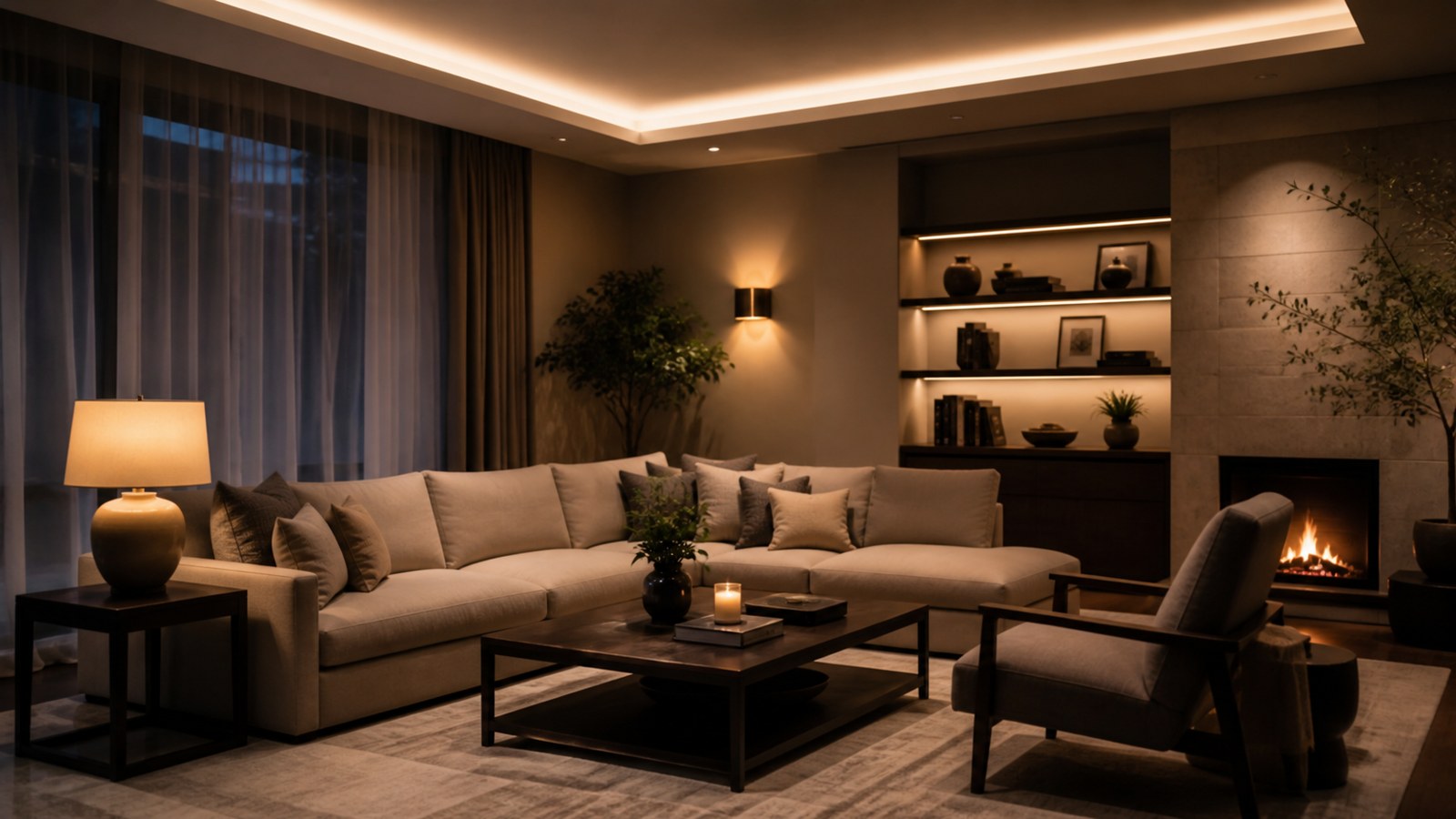
Color temperature describes whether light feels warm, neutral, or cool. Warm white often works well in bedrooms, living rooms, dining rooms, and evening spaces. Neutral white can work in kitchens, baths, laundry rooms, and offices. Very cool daylight bulbs can feel harsh in living areas unless they serve a specific task.
Do not mix random color temperatures in one room. A warm lamp next to a cool ceiling light can make the room feel unsettled. Choose color temperature by room use and keep related fixtures consistent.
Color Rendering Affects How Finishes Look
Color rendering affects how accurately the bulb shows paint, food, skin tone, wood, fabrics, tile, and art. A poor-quality bulb can make a good paint color look dull or make a kitchen feel unflattering. This is one reason cheap bulbs can disappoint even when they are bright enough.
Look for LEDs with good color quality, especially in bathrooms, kitchens, closets, craft rooms, and anywhere finishes matter. Brightness alone does not guarantee pleasant light.
Heat Matters More Than People Think
Incandescent bulbs get hot. That heat can matter in closets, lampshades, recessed cans, enclosed globes, small bathrooms, and fixtures near insulation or delicate materials. Heat also wastes energy and can shorten fixture component life.
LEDs run cooler at the light source, but their electronics still need heat management. That is why enclosed ratings and fixture instructions matter. CFLs also have temperature and placement concerns, especially in cold or enclosed locations.
Outdoor Fixtures Need the Right Bulb
Outdoor bulbs need to handle weather, temperature changes, insects, dust, and fixture style. An enclosed porch light, open sconce, landscape fixture, and motion light do not all need the same bulb. Wet-location and damp-location ratings should match exposure.
LEDs are often excellent outdoors, but the bulb must fit the fixture and sensor. Some motion sensors, photocells, and timers behave poorly with certain bulbs. If a light flickers, stays dimly on, or fails to trigger correctly, compatibility may be the issue.
Smart Bulbs Are Usually LED
Most smart bulbs are LEDs because LED technology works well with color control, scheduling, dimming, and app-based features. They can be useful in lamps, bedrooms, porches, and rooms where a homeowner wants flexible control without rewiring.
Smart bulbs are not always the best answer for fixtures controlled by wall switches that people turn off constantly. Once power is cut, the smart function may stop. For built-in lighting, smart switches or dimmers may be better than smart bulbs.
Decorative Fixtures Need Shape Planning
Bulb shape affects appearance. Clear glass pendants, chandeliers, sconces, and exposed sockets need bulbs that look intentional. LEDs now come in filament-style, globe, candle, tubular, and vintage shapes, but quality varies.
Do not choose a bulb only because it looks good off. Turn it on and check glare, color, brightness, and shadows. Decorative bulbs can be uncomfortable if the filament is too bright at eye level.
When CFL Still Makes Sense
CFL may still make sense only when a homeowner already has suitable fixtures and bulbs, or in a low-priority location where the warm-up time and disposal concerns are acceptable. Even then, replacing failed CFLs with LEDs is often the better long-term move.
Handle CFLs carefully because of mercury content. Follow local disposal rules instead of throwing large numbers of bulbs into ordinary trash. If a CFL breaks, follow cleanup guidance rather than vacuuming it casually.
When Incandescent Still Makes Sense
Incandescent may still make sense for certain specialty lamps, heat-tolerant decorative uses, appliances designed for specific bulbs, or fixtures where LED compatibility is poor and the light is used rarely. It can also solve some dimming problems temporarily in older systems.
For daily lighting, though, the operating cost and heat usually make incandescent a poor choice. If a fixture only works well with incandescent, it may be worth upgrading the dimmer, socket, or fixture so LED can be used properly.
How to Replace Bulbs Room by Room
Start with the rooms used most often: kitchen, living room, bedrooms, baths, laundry, office, and exterior security lights. Replacing high-use bulbs with LEDs saves the most energy. Low-use decorative fixtures can wait.
Buy one or two test bulbs before replacing every bulb in a room. Check brightness, dimming, color temperature, glare, and fixture fit. Once a bulb works, record the brand, model, lumens, color temperature, and dimmer compatibility if the room uses one.
Recessed Cans Need Extra Care
Recessed lights trap more heat than open lamps, so bulb choice matters. Use bulbs or retrofit trims approved for the housing type and location. If the can is insulated, airtight, sloped, shallow, or in a damp area, the rating becomes even more important.
LED retrofit trims can improve the look of older recessed cans, but they still need to match the housing and dimmer. If recessed lights flicker, buzz, or shut off early, heat or compatibility may be the reason.
Bathroom Vanities Need Flattering Light
Vanity lighting should show skin tone accurately and avoid harsh shadows. LEDs with good color rendering and a comfortable warm or neutral color temperature usually work better than old CFLs or random cool bulbs. Consistency across all bulbs in the vanity bar is important.
Do not mix one old incandescent, one CFL, and one LED in the same vanity fixture. The colors and brightness will fight each other. Replace the set together with matching bulbs that are rated for the location.
Lamps Need Shade Testing
A bulb that looks good bare may look dim, yellow, or glaring once it sits inside a lampshade. Shade color, thickness, shape, and height all change the light. Table lamps and floor lamps are often best tested in the evening when they are actually used.
LED bulbs come in different beam patterns and globe shapes. If the lamp has a translucent shade, choose a bulb that spreads light evenly. If the lamp is for reading, choose enough lumens for the task rather than relying on mood lighting alone.
Operating Cost Favors LED
LED bulbs usually cost more upfront than old incandescent bulbs, but they use far less electricity and last much longer. In high-use rooms, the savings add up. The difference is especially noticeable in kitchens, exterior lights, hallways, and fixtures left on for long periods.
For low-use decorative fixtures, energy savings may be less dramatic, but LED still reduces heat and replacement hassle. The main reason not to use LED is usually compatibility or appearance, not cost over time.
Troubleshoot Flicker and Buzzing
Flicker, buzzing, ghosting, limited dimming range, or bulbs that do not shut off cleanly often point to compatibility. The dimmer may be wrong for LED, the bulb may not be dimmable, the load may be too low, or a smart control may need a neutral or bypass.
Do not assume all LEDs are defective because one combination behaves badly. Test a compatible bulb and dimmer pair, check fixture ratings, and avoid mixing bulb types on the same dimmed circuit. Good LED lighting depends on the whole control setup.
Choose by Room Type
Kitchens and offices usually need bright, clear LEDs with good color rendering. Bedrooms and living rooms often need warmer LEDs that dim smoothly. Bathrooms need flattering, consistent bulbs. Closets and utility spaces need safe fixture ratings and enough brightness to see clearly.
Exterior fixtures need weather-appropriate bulbs, and decorative fixtures need bulbs that look good both on and off. The winner is still usually LED, but the exact LED should change from room to room.
Dispose of Old Bulbs Properly
Incandescent bulbs can usually be discarded more simply than CFLs, though local rules still matter. CFLs require more care because they contain mercury. Many communities, hardware stores, or recycling programs offer collection options for CFLs and other specialty bulbs.
LEDs last a long time, but they are still electronic products. When replacing large numbers of bulbs, check local recycling guidance. Safe disposal is part of a clean lighting upgrade, especially when removing old CFLs from the house.
Final LED vs. Incandescent vs. CFL Review
LED is the best choice for most home lighting because it is efficient, long-lasting, flexible, and available in many color temperatures and shapes. Incandescent is simple and warm but inefficient and hot. CFL saves energy compared with incandescent but has warm-up, dimming, shape, and disposal drawbacks that make it less useful now.
The best bulb is the one that fits the fixture, dimmer, room use, color needs, and safety rating. Choose by lumens, color temperature, compatibility, and comfort instead of wattage alone, and test important rooms before buying a full set.