Choose Decking for the Years After Installation
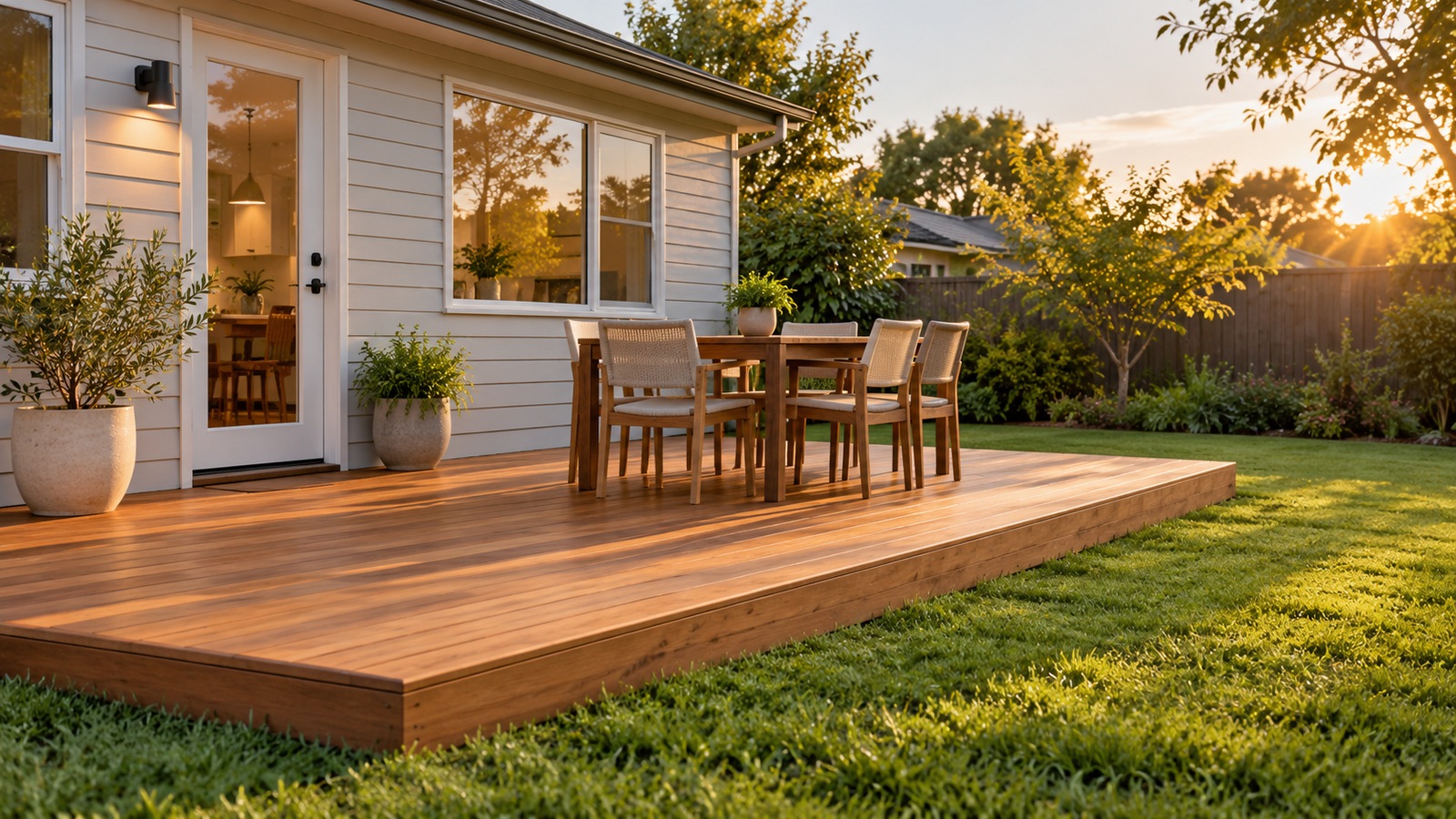
Wood and composite decking can both make a comfortable outdoor living space, but they ask different things of the owner. The useful comparison goes beyond the first invoice to cleaning, refinishing, surface temperature, repairs, and the way each material changes with use. A homeowner who enjoys maintaining natural timber may value wood’s renewable surface, while someone trying to reduce recurring finish work may prefer a suitable composite product. Neither choice removes the need for sound framing, drainage, and periodic inspection. Compare specific products in the actual yard, then build an ownership budget around the work you will realistically do. The right material should fit your climate, daily habits, appearance preferences, and willingness to maintain the complete deck over time. Choose wood when the particular species, refinishable appearance, and an achievable care routine suit you. Favor a specified composite when reducing staining or sealing work matters more than refinishing flexibility. For either route, test samples in the yard and compare the full installed assembly; composite still needs cleaning, and a new surface does not repair an unsuitable frame.
A: No. Cleaning, drainage care, and inspection remain necessary.
A: Do not assume so; sanding can damage the cap and conflict with care instructions.
A: No. Exposure, material, coating, and observed condition determine the plan.
A: No. Read its coverage, exclusions, conditions, and remedy.
A: Include fastening, trim, support needs, waste, and labor.
A: Test specific samples under representative conditions; color and exposure matter.
A: It needs assessment against the new product's requirements.
A: Enter the two installed quotes, a stated comparison period, planned care costs, and explicit assumptions about your labor.
A: Weathering and product changes can make matching imperfect.
A: Its complete cost and care requirements should match the way you use the deck.
Define the Two Materials Carefully
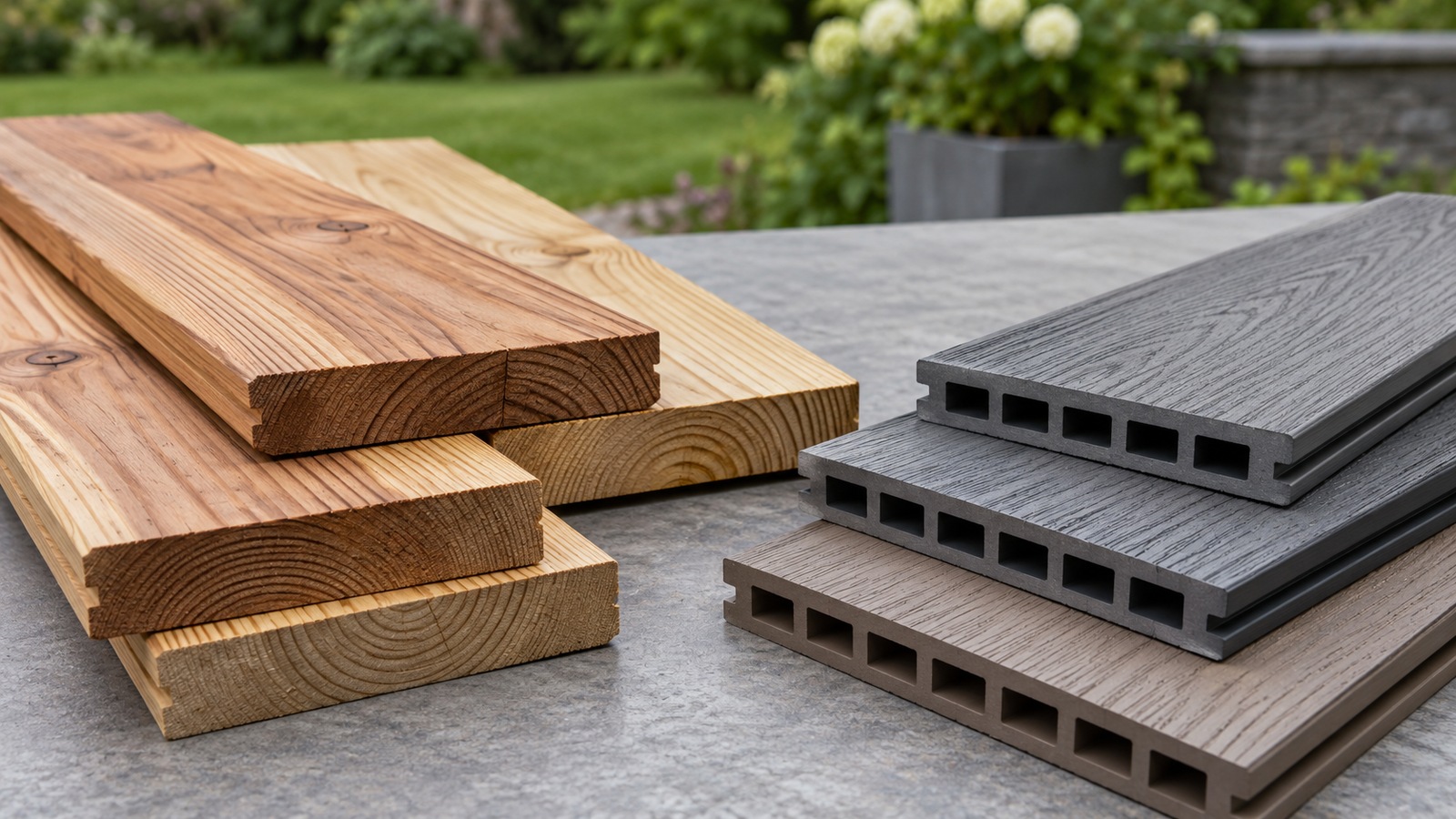
Wood decking includes pressure-treated softwood, naturally durable species, and other timber products with different qualities and prices. Grade, board condition, treatment, and finishing requirements affect the result. A low-cost treated board and a carefully selected hardwood are not equivalent purchases simply because both are wood. Ask what specific material and grade the proposal includes.
Composite is also a broad category. Products can differ in core composition, protective cap, profile, texture, color, and permitted application. Some manufactured decking belongs to other material categories entirely. Use the exact product name and installation documents when comparing, and avoid transferring one brand’s care instructions or warranty promises to another product.
Compare the Complete Upfront Purchase
The first cost includes more than the boards. Hidden clips, face screws, plugs, edge boards, fascia, delivery, waste, and labor all contribute. Different products can require different support or finishing arrangements. Ask for a complete installed alternative on the same layout so a low board price does not hide additional components.
In many projects, a basic treated-wood surface has a lower initial material cost than a premium capped composite surface, but that general relationship is not a current quote for your house. Species, grade, local supply, board length, and product tier can change the result. Obtain actual prices for the selections you would buy. Compare those prices with a shared list of included accessories.
Labor can differ even when the deck shape stays the same. Manufactured boards may involve proprietary fastening and edge details, while wood may need more selection and finish preparation. Ask the installer what changes between the alternatives. Treat framing corrections as a separate necessary task rather than attributing every additional dollar to the visible material.
Expect Both Surfaces to Need Cleaning
Leaves, pollen, soil, food, and moisture affect both materials. Sweep debris out of joints and keep drainage paths clear. Follow the selected product’s instructions for cleaners and equipment, because pressure, nozzle choice, chemical compatibility, and stain treatment vary. Composite reduces some recurring finish work, but calling it maintenance-free creates an unrealistic expectation. Wood also benefits from routine cleaning before dirt and retained moisture become a more difficult problem.
Understand Wood’s Refinishing Commitment
Wood changes as it weathers. Some owners prefer a natural gray appearance, while others want to preserve or renew a particular color with a suitable coating system. The right preparation and maintenance interval depend on the material, exposure, coating, and observed condition. Avoid relying on a fixed calendar promise that ignores a sunny uncovered deck or an area with persistent shade.
Refinishing takes time as well as materials. Furniture must move, surfaces need preparation, weather conditions must cooperate, and the finish needs time before normal use resumes. If you will hire the work out, obtain local service pricing. If you intend to do it yourself, include supplies, equipment, and your available time in the comparison.
Recognize Composite’s Different Repair Limits
A capped composite surface generally should not be treated like a solid wood board that can simply be sanded back. Aggressive sanding or incompatible chemicals can damage its appearance and conflict with care requirements. Check the manufacturer’s approach to scratches, stains, heat damage, and replacement. The repair route may involve replacing a board rather than refinishing a larger area.
Replacement can be straightforward or awkward depending on the fastening system and location. Ask how a board in the middle of the deck would be removed. Keep product identification and compatible spare material if recommended. Color matching later may be affected by product changes and weathering, even when the original collection remains available.
Wood repairs have limits too. A board with significant decay, splitting, or unsuitable fastener damage may need replacement rather than sanding. New wood may not immediately match older weathered boards. Judge repairability as a practical process for the selected assembly, not as a claim that either material can always be restored invisibly.
Test Heat and Barefoot Comfort in the Yard
Sun exposure, color, airflow, and material influence surface temperature. Compare representative samples outdoors under the conditions in which the family will use the deck. A showroom sample at room temperature cannot establish summer barefoot comfort. Consider shade and intended footwear as part of the design. Be cautious about broad claims that all wood stays cool or all composite behaves identically; specific products and conditions matter more than the category label.
Look at Traction, Texture, and Surface Wear
Texture affects feel and cleaning, but it does not guarantee that a wet or contaminated surface cannot be slippery. Evaluate product information and samples alongside drainage and routine care. Algae, leaves, ice, grease, and worn coatings can create problems on different materials. The plan should address the conditions that actually occur in the yard.
Think about chairs, pets, and moving equipment. Furniture feet can concentrate wear, and dragging heavy objects can damage either surface. Use compatible protective measures and follow product guidance. A sample can help you judge the look and feel, but it cannot replace understanding the material’s documented limits.
Account for Movement and Installation Rules
Wood responds to moisture conditions, while manufactured boards have their own movement behavior and fastening requirements. Gaps, end clearances, support spacing, and permitted overhangs need to follow the chosen system. Trex’s spacing and installation guidance illustrates why product-specific details matter. Do not use a generic gap dimension borrowed from another board.
Board direction can change the support requirements, especially with diagonal layouts or borders. Check the framing before selecting a pattern. Some details that look decorative require extra blocking or dedicated edge support. A complete material comparison should include those necessary changes rather than assuming the same old frame accepts every new surface.
Moisture management beneath the surface remains important. Keep required clearances and avoid trapping debris or water against the framing. Fascia and enclosure details should preserve the intended ventilation and drainage. The walking boards may be more resistant to certain damage than the support structure below them, so inspect the entire assembly.
Compare Appearance at Full Deck Scale
A small sample concentrates attention on color and grain, but a whole deck adds repetition. View several boards together when possible. Wood brings natural variation that can be part of its appeal; manufactured products may use repeating grain or color patterns. Ask how the installer will distribute boards so the finished surface does not reveal an unintended repetitive patch. Coordinate railings and fascia with the house rather than selecting the surface in isolation.
Read Warranties as Documents
Warranty length is not the same as a prediction of service life or an assurance that every defect is covered. Review what is covered, what is excluded, who is eligible, and what installation and maintenance conditions apply. Find out whether labor, removal, disposal, and replacement installation are included in any claim remedy. Those details affect the practical value of the coverage.
Keep receipts, product labels, installation records, and maintenance instructions. Ask the installer to document the selected fastening system and any required clearances. If the project uses several manufacturers’ components, understand the boundaries between their responsibilities. A long headline warranty becomes useful only when the actual installed assembly and ownership conditions fit its terms.
Build an Ownership Worksheet From Real Quotes
Start with two written proposals for the same footprint, elevation, guards, stairs, and approved supporting structure. Enter each quoted installed total in your worksheet without supplying a default price. List any difference in framing corrections or demolition separately, because a necessary repair is not evidence of one surface material being more expensive. Compare the boards and accessories by exact product and quantity.
Choose an ownership period that reflects your plans, then obtain the relevant wood-refinishing price or calculate your own supplies and equipment. Record the expected number of treatments as an assumption, with the finish maker’s condition-based guidance beside it. Enter composite cleaning costs from the care routine you would actually follow. Shared cleaning and inspections belong on both sides when the same tasks apply.
Calculate the difference only after filling those entries: installed quote plus planned care and known repairs over the chosen period. Leave uncertain future damage as an uncertainty rather than inventing annual replacement charges. If you assign a value to your labor, show the hours and rate explicitly. Recalculate with one additional refinishing visit to see whether a small change would alter your preference.
| Choice | Initial comparison | Ownership tradeoff |
|---|---|---|
| Specified treated wood | Often a lower board cost than premium capped composite; confirm locally | Refinishable surface with preparation, weather windows, and finish work |
| Specified capped composite | Include clips, fascia, edge treatment, and support changes | Reduced coating work; cleaning remains and damaged boards may need replacement |
| Premium natural timber | Do not use basic treated-wood pricing as its allowance | Species-specific care and a different appearance/repair decision |
Choose for the Maintenance You Will Actually Do
Wood can be satisfying for an owner who appreciates natural variation and accepts periodic finish work. A suitable composite can appeal to someone who wants to reduce that particular task while continuing cleaning and inspection. Household preferences are a legitimate part of value. The material that looks cheapest on paper may be frustrating if its care requirements do not fit your time or expectations. Decide which recurring tasks you are willing to perform before assigning too much importance to an initial price difference.
Keep the Existing Frame Out of the Shortcut Decision
When resurfacing an older deck, inspect the supporting structure before ordering either material. New boards can hide decayed framing, inadequate connections, or unsuitable support spacing. Have the structure assessed for continued use and the proposed product. Replacing only the surface is appropriate only when the remaining assembly supports that plan.
Bring the selected board requirements to that assessment. A frame that worked with the old surface may need modification for the new one. Price necessary repairs openly so the decision remains honest. Saving on boards is poor value if the deck’s important defects remain underneath.
Inspect the Full Assembly Through the Seasons
Use ordinary cleaning as a chance to notice changes from a safe position. Look for debris trapped where boards meet trim and for persistent damp areas beside planters. Remove material only by the care method approved for the selected surface.
Compare a suspect board with the adjoining area rather than treating every color change as structural damage. A raised edge, new movement, or visibly loose connection needs an assessment of its cause. Do not cover it with a rug or repeat surface treatment while the support remains uncertain.
Inspect accessible stairs, guards, and transitions as parts of the same assembly. Wood and composite walking boards both depend on those connections. Arrange qualified help when the concern involves structural movement or an inaccessible underside, and keep the relevant product details available for any repair.
Make the Final Comparison With Samples and a Care Plan
Put the two complete proposals side by side with material samples, installation documents, and maintenance requirements. Review initial scope, everyday comfort, repair methods, and the cost assumptions you used. Think about how the surface will look after ordinary household use rather than only on installation day. A deck is a working outdoor space, so practical care belongs alongside appearance. Choose the product whose strengths matter to your household and whose limitations you can manage. Keep the records and inspect the structure periodically whichever surface you select. Wood and composite offer different ownership experiences, and a well-understood choice is more valuable than a broad promise that one category always wins.