Compare the Installed Project Behind the Window Price
Angi’s Window Replacement Cost guide, updated October 15, 2026, reports a US average project of $7,348 and a usual $3,436–$11,837 range from 17,857 verified projects. These are totals across different scopes, not per-window prices or a promise for eight replacements. To use that context, first separate the supplied units from installation, opening repairs, and finishing. One quote may cover inserts inside sound frames; another may include full removal, flashing, and restored trim. The useful comparison is the same window schedule completed to the same standard. List each opening, exact unit, installation approach, and known condition before requesting prices. Then check exclusions beside the total rather than assuming a lower figure buys the same work. The eight-window example below shows how to reconcile those lines without counting a national benchmark as another budget item.
A: No. Installation, restoration, access, disposal, and other agreed work can materially change the total.
A: It removes more of the assembly and may include opening preparation and additional restoration.
A: No. Product line, size, finish, hardware, and glass specification change the comparison.
A: No. They are invented arithmetic examples; replace every allowance with current local pricing.
A: The responsible supplier or installer should verify them before custom products are ordered.
A: Room exposure and performance needs can differ; discuss the intended specification by location.
A: No. Results depend on the existing house, climate, selected assembly, and installation.
A: Only the written scope confirms whether filling, priming, painting, or staining is included.
A: Separate visits can repeat setup work; ask the installer to explain the effect.
A: Agree on documentation, authorization, and pricing procedures before removal exposes it.
Begin With a Window Schedule
Make a list of the openings you intend to replace and assign each a simple room-based identifier. Record the operating style, approximate size, floor level, and visible condition. Photograph the interior and exterior so bidders can see access and trim. These observations prepare the discussion, but the supplier or installer should verify dimensions before ordering.
Separate identical-looking windows when their conditions differ. A bedroom unit above a porch roof may be harder to reach than a ground-floor unit beside a clear path. A kitchen opening may have tile or cabinetry close to the trim. Treating every window as the same item hides the very conditions that often explain the final labor bill.
Distinguish Insert From Full-Frame Replacement
An insert or pocket installation generally places a new unit within a suitable existing frame. A full-frame installation removes more of the old assembly and exposes the opening for additional work. Neither description alone tells you whether the chosen method is appropriate. Existing frame condition, water history, dimensions, and the intended result should guide the decision.
Ask what the installer will inspect before accepting an existing frame. Rot, distortion, damaged flashing, and leakage evidence can change the plan. Keeping a faulty frame simply to preserve the original estimate may leave important problems untouched. Conversely, full removal should have a defined purpose rather than appearing as an unexplained premium.
The Department of Energy’s window replacement checklist highlights the importance of addressing air sealing and flashing when choosing a replacement approach. Ask how the proposed scope handles those interfaces in your house. A comparison based only on glass and frame material leaves out this essential installation work.
Understand Why Frame Materials Change the Quote
Vinyl, wood, fiberglass, aluminum, and clad products offer different combinations of appearance, frame proportions, maintenance, and available configurations. Compare complete product lines rather than assigning a fixed price to a material name. Size, operating hardware, finish, and glass package can make two windows in the same material very different purchases. A useful quote identifies the manufacturer, series, dimensions, color, and relevant options so a competing bidder can price a genuinely comparable unit.
Pay Attention to Glass and Performance Specifications
A glass package can affect comfort, solar heat gain, sound, weight, and cost. Discuss the conditions in each room: strong afternoon sun, cold-weather discomfort, street noise, or a specific privacy need. The right specification may differ between elevations. Do not assume that the most expensive glass package is automatically the best match for every opening.
Review rated performance for the proposed product and configuration. Marketing terms alone are not enough to compare units. Ask the supplier to explain the relevant labels and any local requirements that affect selection. Evaluate the whole window and its installation rather than expecting a pane specification to compensate for an untreated air leak around the frame.
Include the Cost of Changing the Opening
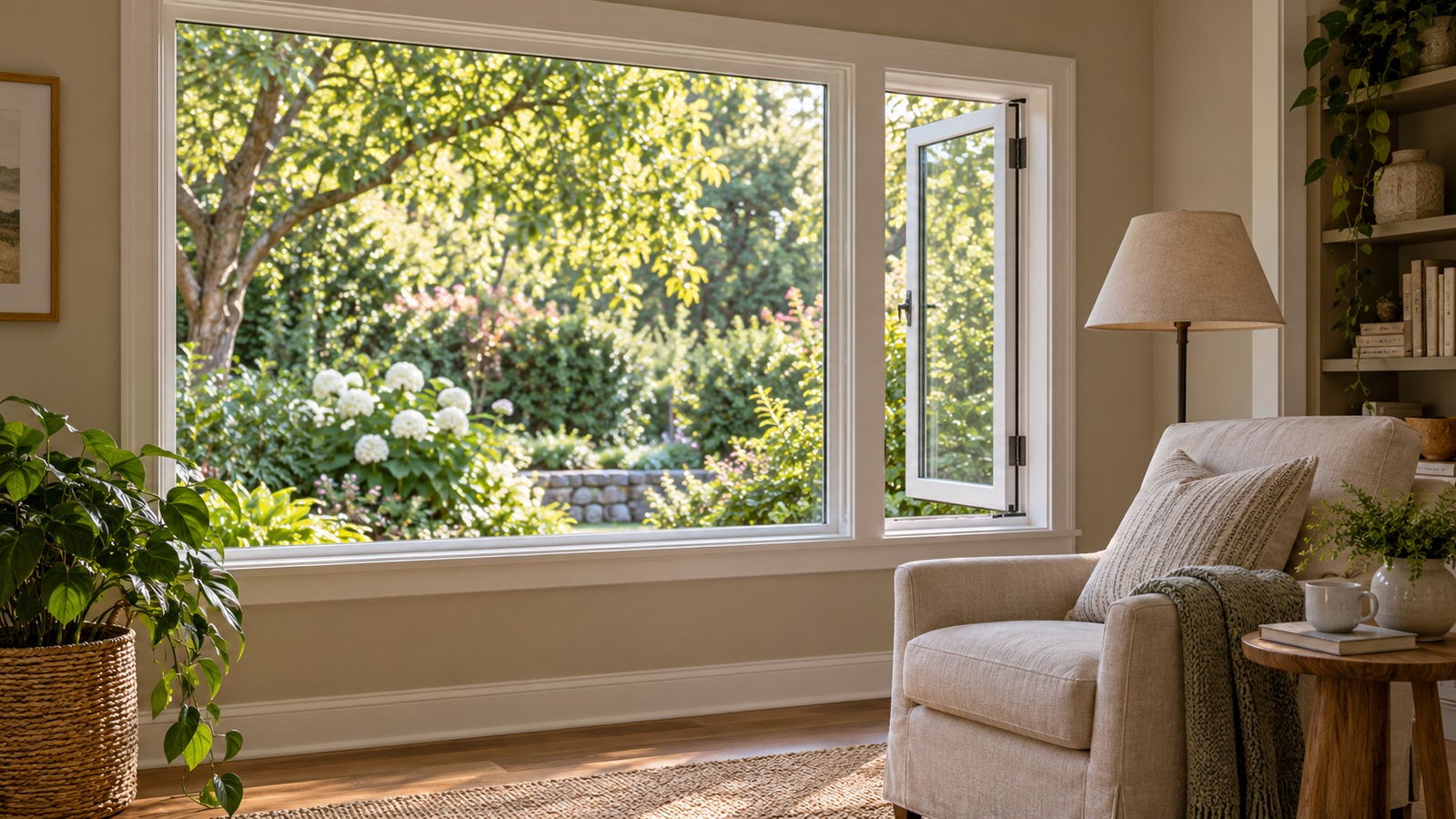
Replacing a unit in an existing opening is a different scope from making the opening larger or changing its shape. Alterations can involve framing design, exterior cladding, interior finishes, and relocated services. A picture window converted to several operating units may also need a different product arrangement. Explain these goals before requesting an ordinary replacement price.
If a proposed change affects structural support or required room functions, obtain the appropriate design and permit advice. The budget should reflect that process rather than leaving it as an assumed installer detail. Ask who is responsible for approvals, inspections, and any specialist work. The opening cannot be treated as a blank hole independent of the surrounding wall.
Exterior materials affect restoration. Brick, stucco, siding, and trim boards each create different interfaces around the new assembly. Ask what will be removed, what can be reused, and what appearance to expect afterward. A neat interior casing does not explain how the exterior weather-management detail will be completed.
Look for Labor Beyond Setting the New Unit
Installation labor may include removal, opening preparation, positioning, fastening, flashing, sealing, insulation, trim work, cleanup, and disposal. Some companies group these tasks into an installed unit price, while others itemize them. Either approach can work if the scope is explicit. Ask what happens when the opening is exposed and its actual condition becomes visible. Written change procedures help distinguish legitimate discovered repairs from additions that should have been included from the beginning.
Allow for Access and Household Logistics
Upper floors, narrow side yards, steep ground, landscaping, and nearby structures can complicate exterior access. The installer may need different equipment or more time than a clear ground-floor opening requires. Explain any restrictions before the visit. Do not compare an access-heavy project with an online example that assumes straightforward working conditions.
Inside the home, plan for blinds, curtains, furniture, alarm contacts, and delicate finishes. Establish who removes and reinstalls each item. Ask how open rooms will be protected from weather and dust during the work. Household disruption is part of the project even when it does not appear as a separate invoice line.
Account for Visible Changes Inside the Room
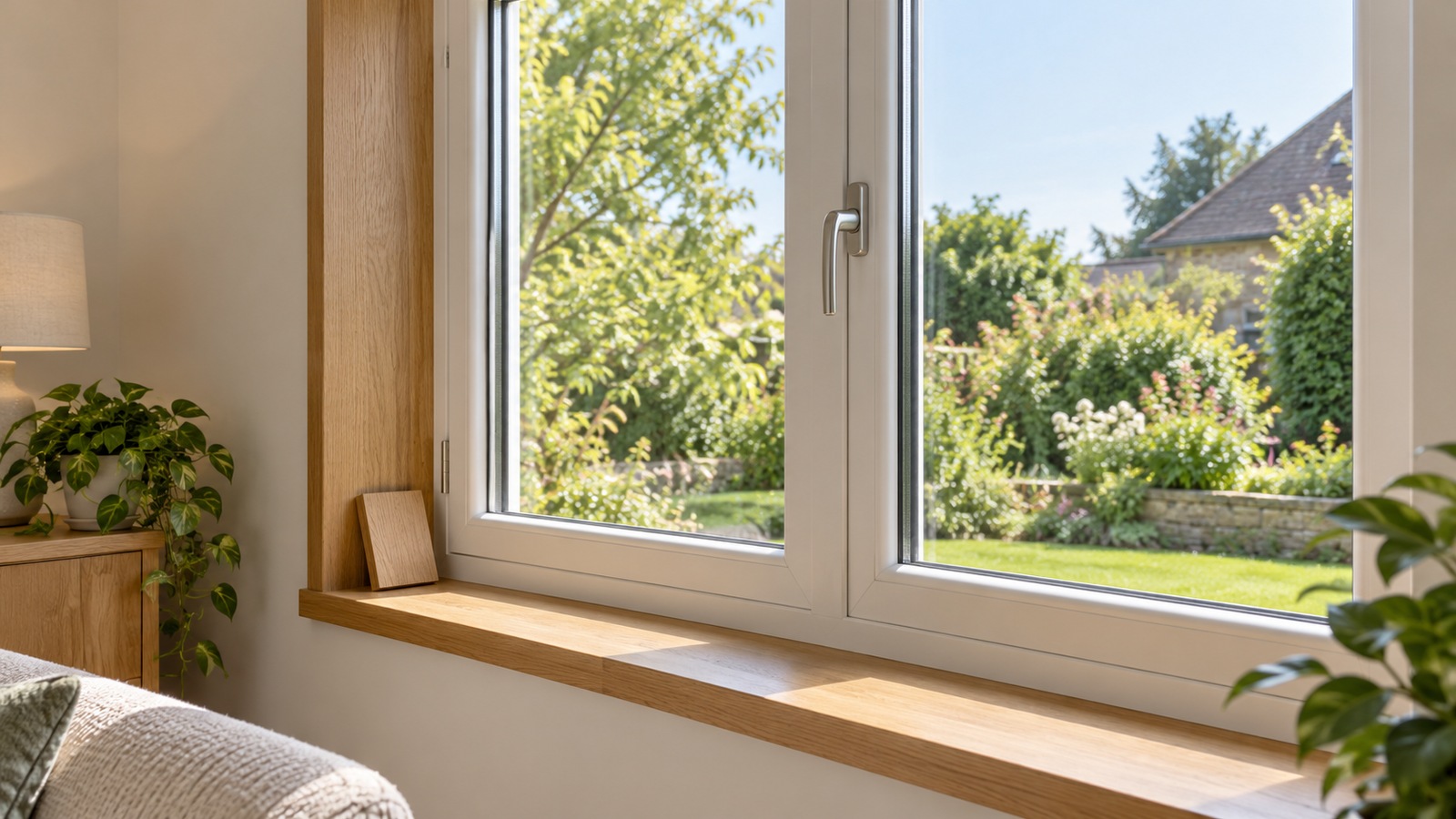
Compare the proposed frame drawing with the existing daylight opening, sill depth, and window treatments. A replacement that fits the structural opening can still leave custom blinds too wide or expose a different paint footprint around the casing. Measure treatments against the finished dimensions rather than the old sash alone. List replacement blinds, shutter alterations, and wall painting in the owner budget if they are outside the contract. A representative installed sample or clear drawing helps show whether the resulting frame proportions suit the room before the entire order is placed.
Identify the Extras Most Likely to Be Missed
Trim finishing can be a significant exclusion. A quote may include raw casing but leave filling, priming, painting, or staining to someone else. Exterior capping may be described differently from replacement trim. Ask to see the intended finished detail, especially when the new unit changes the visible frame proportions.
Disposal, permit fees, protection, and repair allowances also need clarification. None is automatically included just because a quote uses the word installation. Check whether screens and specified hardware arrive with the units. Make sure an apparent upgrade is a real option you want rather than a vaguely described bundle.
Older painted surfaces or suspect materials can introduce assessment and specialized work. Raise the issue before demolition rather than assuming every removal uses the same procedure. Requirements vary with the house and location, so establish the applicable scope with qualified local professionals. Build those confirmed tasks into the budget instead of hiding them in a generic contingency.
Calculate One Eight-Window Scope
Request a price for eight standard-size ground-floor openings, white vinyl double-hung units, retained opening sizes, installed screens, and painted interior trim. Ask the installer to confirm whether inserts are suitable after inspecting the existing frames. Rotten framing, masonry changes, upper-floor access, and a different flashing scope require a revised proposal rather than an assumed surcharge.
| Hypothetical line | Calculation | Amount |
|---|---|---|
| Supplied units | 8 at $700 | $5,600 |
| Installation | 8 at $350 | $2,800 |
| Shared finishing and project work | One allowance | $1,200 |
| Defined subtotal | All three lines | $9,600 |
These invented rates demonstrate addition, not local market evidence. Replace each with a written price and name the work covered by the shared allowance. Confirm tax, disposal, permits, lead-related work, and any owner painting separately. A contractor offering one installed total should explain its inclusions; do not add these example labor figures to it again.
Compare Quotes With One Written Scope
Give every bidder the same window schedule and desired outcome. Request the exact series, operating configuration, glass specification, colors, installation method, and finished trim treatment. Then compare exclusions and allowances before comparing the final amount. A difference in product or restoration scope is useful information, but it is not evidence that one installer charges more for precisely the same job.
Pella’s discussion of replacement cost factors also distinguishes product choices from installation and home conditions. Use that distinction as a starting point for your own scope sheet. Ask the bidder to explain each material difference in ordinary language. A clear proposal should make the planned work understandable without requiring you to decode a sales presentation.
Review payment timing and the handling of changes. Confirm when measurements become final, when custom products are ordered, and what cancellation terms apply. Financing can change the total amount paid, so compare the cash project figure and the financing terms separately. Discounts have little meaning until the underlying products and scope are clear.
Keep Energy Savings in Perspective
New windows may improve comfort and address damaged or poorly operating units, but savings depend on the existing windows, climate, house, and installation. Avoid treating a broad sales estimate as a guaranteed household payback. Compare replacement with appropriate repair or air-sealing options when the existing units are serviceable. Include comfort, maintenance, operation, and needed water-management repairs in the decision rather than relying on an unsupported energy-savings promise.
Decide Whether to Replace in Stages
Phasing can make sense when several openings have urgent defects while others remain serviceable. Prioritize documented water problems, unsafe operation, and the rooms causing the greatest discomfort. Ask whether splitting the work affects setup costs, product matching, or warranty administration. Keep the long-term window schedule so later phases do not become unrelated one-off purchases.
A whole-house order may provide logistical advantages, but it also commits more money at once. Check that the proposed units suit each room rather than ordering a uniform package for convenience alone. If a future project will alter an opening, coordinate that decision before replacing its window. Paying twice for the same area is an avoidable planning cost.
Review the Completed Work Against the Agreement
At completion, operate each sash, lock, screen, and specified accessory. Compare the installed units with the written schedule and inspect the agreed trim finish. Ask for operating instructions, product identification, warranty documents, and maintenance guidance. Record unresolved items with the installer rather than waiting until they become hard to describe. The best window replacement budget connects a product choice to a complete installation in a particular house. Start with the schedule, establish the method, and expose exclusions before signing. Use local quotes to replace illustrative allowances and keep a plan for discoveries. That approach makes the final figure more useful than any isolated price per window.