Low water pressure feels like one problem, but it can come from many places: a clogged aerator, a partly closed valve, a restricted shower cartridge, a dirty whole-house filter, an old pressure regulator, a hidden leak, or aging pipe. The right fix depends on whether the weak flow affects one fixture, one side of a fixture, one room, or the whole house.
The most effective approach is to diagnose before replacing parts. Start with simple visible restrictions, compare hot and cold flow, check shutoff valves, measure pressure if the whole house is affected, and stop before increasing pressure against a leak or failing plumbing.
A: Establish whether nearby outlets share the problem; a common restriction will not be repaired by changing one faucet.
A: Compare other fixtures to determine whether the restriction is local or shared by the hot-water delivery system.
A: No. It measures collected water over time; pressure requires an appropriate gauge and context for interpreting its reading.
A: A demand-free baseline separates an outlet's usual delivery from changes caused by simultaneous water use.
A: No. Establish the supply pattern and rule out restrictions or leaks before a qualified assessment of regulator settings.
A: Keep the specified components intact and investigate mineral deposits or upstream restrictions using approved instructions.
A: Cartridge suitability, installation, and valve positions deserve review, but the timing alone does not establish which component is responsible.
A: Automatic appliances, irrigation, or other consumption may still be active; unexplained movement warrants further investigation.
A: Report it to the water provider with affected addresses and timing; do not operate utility equipment yourself.
A: Shared hot-side weakness, whole-house symptoms, failing shutoffs, suspected leaks, or restricted older piping call for broader professional diagnosis.
Map the Pressure Pattern
Start by testing several fixtures. Check a bathroom sink, kitchen sink, shower, hose bibb, toilet refill, and laundry connection if they are easy to access. Note whether the problem affects hot water, cold water, or both.
If one faucet is weak, the problem is probably local. If one bathroom is weak, the branch serving that room may be restricted. If every fixture is weak, look at main valves, filters, pressure regulators, leaks, utility supply, or old service piping.
Also note timing. A sudden pressure drop after plumbing work means something different from pressure that has slowly worsened for years. Intermittent pressure may point to utility demand, irrigation schedules, a regulator, or a treatment system.
Clean Faucet Aerators
Aerators collect grit, mineral flakes, rubber fragments, and debris released during repairs. Unscrew the aerator at the faucet tip and keep the washer and screens in order. Rinse the parts, brush away buildup, and soak mineral deposits if the finish and parts allow it.
Run the faucet briefly without the aerator to flush loose debris, then reinstall it. If flow improves, the repair was local and simple. If flow remains weak with the aerator removed, the restriction is farther upstream in the faucet, supply line, valve, or piping.
Clean aerators after utility work, water heater service, valve replacement, or any plumbing repair that may have released debris.
Check Showerheads and Screens
Showers often lose flow because the showerhead, inlet screen, or spray nozzles are clogged. Remove the showerhead while supporting the shower arm so force does not transfer into the wall. Inspect the washer, screen, and head.
Clean mineral buildup and flush the arm briefly into a bucket or tub before reinstalling. If the shower improves, the restriction was at the head. If the shower remains weak while nearby fixtures are strong, the valve cartridge or pressure-balancing parts may be involved.
If both the shower and bathroom sink are weak, look beyond the showerhead. A shared branch, valve, or supply issue may be affecting the room.
Confirm Valves Are Fully Open
Partly closed valves are easy to overlook after repairs, inspections, winterization, filter service, or appliance work. Check fixture stops, laundry valves, the water heater cold supply, softener bypass valves, filter valves, and the main house shutoff.
Move old valves gently. If a valve is stuck, leaking, or brittle, do not force it during a casual pressure check. A failing valve can turn a weak-flow complaint into a leak.
Some gate valves look open but are internally damaged. If a main valve turns endlessly or does not change flow predictably, it may need replacement.
Compare Hot and Cold
At the same fixture, test cold water only and then hot water only. Strong cold with weak hot points toward the hot-water side. Possible causes include a partly closed water heater valve, sediment, a mixing valve issue, a clogged cartridge, or restricted hot-water piping.
If both hot and cold are weak at one fixture, inspect the fixture, aerator, cartridge, stops, and supply lines. If both are weak throughout the house, move to whole-house pressure and flow checks.
This comparison takes less than a minute and prevents replacing the wrong part of the system.
Use a Bucket Flow Test
A bucket test measures usable flow, not just how the faucet feels. Place a bucket under the fixture and time how long it takes to collect a known amount of water. Compare similar fixtures before and after cleaning or repairs.
A kitchen faucet, shower, and hose bibb will not all match, but the numbers can show which location is unusually restricted. Record results if the issue has been changing over time.
Bucket tests are especially useful before blaming a water heater, regulator, or utility supply. They turn a vague complaint into evidence.
Measure Static Pressure
A pressure gauge can attach to a hose bibb or laundry connection. Static pressure is the pressure when water is not flowing. If pressure is low everywhere, the issue may involve the main valve, pressure regulator, utility supply, service line, or well system.
If static pressure is normal but fixtures are weak, the problem may be restriction rather than supply pressure. Clogged filters, old piping, fixture cartridges, and treatment equipment can reduce flow even when pressure looks fine at rest.
Take readings at different times if the problem comes and goes. Morning, evening, irrigation hours, and peak neighborhood demand may differ.
Watch the Pressure Regulator
Many homes have a pressure reducing valve near the main entry. A failing regulator can cause low pressure, high pressure, pressure creep, or pressure that changes unpredictably. Adjusting it without understanding the symptom can make things worse.
If the regulator is old, corroded, leaking, or not responding predictably, replacement may be better than repeated adjustment. Whole-house pressure affects supply hoses, water heaters, toilets, faucets, appliances, and valves.
When the entire house is affected, a plumber can test pressure before and after the regulator and confirm whether it is the real cause.
Look for Hidden Leaks
A leak can reduce available pressure, especially if it is active on a service line or large branch. Check the water meter when all fixtures and appliances are off. If the meter moves, water may be going somewhere.
Also look for damp walls, soft flooring, wet crawlspace soil, unusually green yard areas, or a water bill that changed without explanation. Do not increase pressure to solve weak flow until leaks are ruled out.
More pressure against a leak can turn a small problem into faster damage. Water loss comes before comfort adjustments.
Inspect Fixture Supply Lines
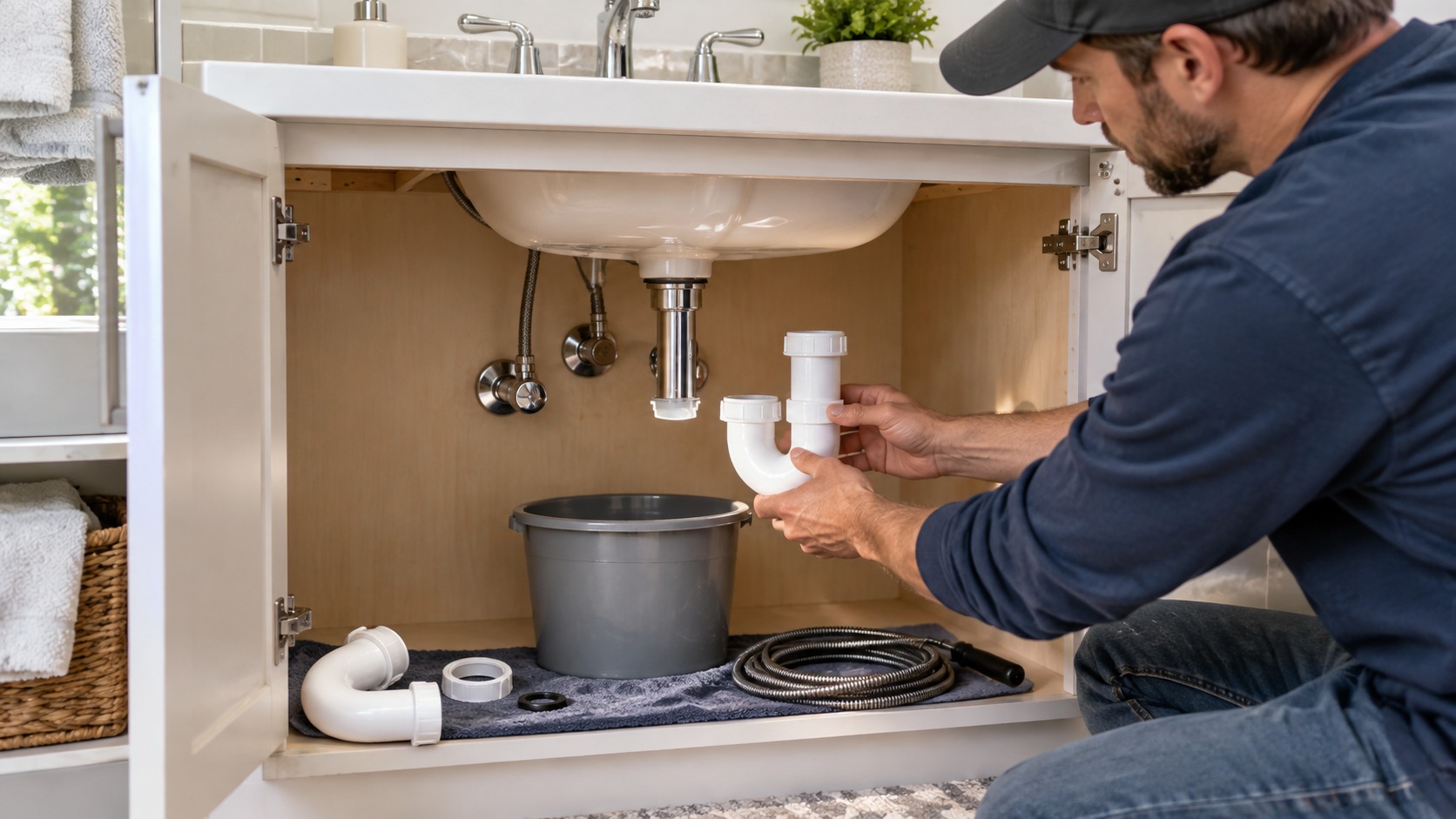
Flexible supply lines under sinks and toilets can kink, collapse internally, or become restricted by debris. A line may look connected while water struggles through a sharp bend behind the cabinet.
If one fixture is weak and the stop valve is open, look at the hose path before replacing the faucet. Turn water off before disconnecting any line, and have towels ready. A replacement connector should reach comfortably without stretching or twisting.
After replacing a line, check with the fixture running and again after a few minutes. Small connection leaks can hide behind cabinet contents.
Check Cartridges and Mixing Valves
Single-handle faucets and showers often use cartridges that control flow and temperature. Sediment, worn seals, mineral buildup, or pressure-balancing parts can reduce flow even when the rest of the house is fine.
Identify the brand and model before removing parts. Shut off water, photograph the handle assembly, and keep the old cartridge for matching. Some cartridges need a puller or must be oriented correctly.
Forcing the wrong part can damage the valve body. If the valve is old, stuck, or inside a tiled wall with limited access, professional help may be cheaper than breaking it.
Check Filters and Softeners
Whole-house filters, sediment cartridges, and water softeners can restrict flow when clogged, mis-set, or left partly bypassed. If pressure dropped after filter service or softener maintenance, inspect that equipment.
Use the manufacturer’s bypass procedure and watch whether flow changes. If bypassing a filter restores pressure, the filter housing, cartridge, or service schedule needs attention.
Do not leave treatment equipment bypassed without understanding what water quality or appliance protection is being skipped.
Separate Pressure From Flow
Pressure and flow are related, but they are not the same thing. A house can show acceptable static pressure on a gauge while still delivering disappointing flow through a clogged valve, undersized pipe, blocked cartridge, or dirty filter. That is why a pressure gauge and a bucket test tell different parts of the story.
Static pressure explains the force available when nothing is running. Flow shows how much water can move while the system is actually being used. If pressure looks normal at rest but drops sharply when a shower, washer, or hose turns on, the restriction may appear only under demand.
This distinction keeps the repair focused. Raising whole-house pressure will not cure a clogged faucet body, and replacing a faucet will not solve a failing regulator or restricted service line.
Read the Hot-Water Clues Carefully
Weak hot water deserves its own look because the water heater and mixing equipment add extra places for restriction. A partly closed cold inlet valve, sediment in the heater, a clogged heat-trap nipple, a tempering valve, or mineral buildup in hot-side piping can make hot water feel weaker than cold.
Compare several fixtures before blaming the water heater. If hot water is weak at every sink and shower but cold water is normal, the problem is probably shared. If only one faucet has weak hot flow, the stop valve, supply line, or faucet cartridge at that location is more likely.
Do not drain or disassemble a water heater casually just to chase pressure. Shutoff condition, age, warranty status, fuel type, electrical safety, and leak risk all matter. A careful comparison often shows whether the hot-water side needs service or whether the issue is still local to one fixture.
Check the Service Side
If every fixture is weak, look beyond the rooms inside the house. A service shutoff may be partly closed, a pressure reducing valve may be failing, a meter valve may not be fully open, or the utility may be doing work nearby. In older neighborhoods, the service line from the street can also be the limiting point.
Ask whether neighbors are seeing the same problem before assuming the whole issue is inside your walls. If pressure changed after street work, hydrant flushing, a meter replacement, or a main break repair, debris may have entered the system or the supply may still be settling.
Homeowners should not open utility-owned equipment or dig near a service line without knowing the local rules. The practical move is to document the pattern, check accessible homeowner valves, and contact the water provider when the evidence points outside the house.
Consider Old Piping
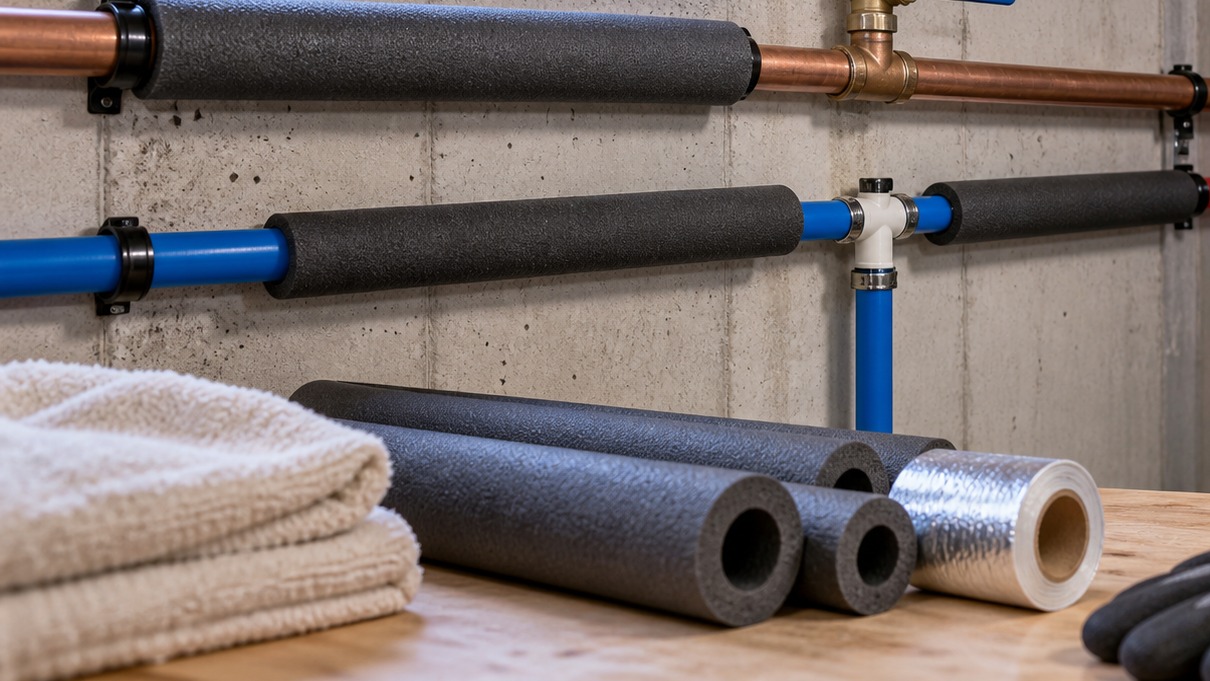
Older galvanized steel pipe can narrow internally from corrosion and mineral buildup. The outside may look acceptable while the inside opening has become small. This usually develops gradually and may affect certain branches before the whole house.
Cleaning aerators will not fix a branch line that is restricted inside the wall. If several fixtures on one old branch are weak and valves are open, the piping material and age matter.
At that point, replacement planning may be more realistic than repeated fixture repairs. A plumber can help confirm whether the restriction is local or system-wide.
Check Recent Plumbing Work
Pressure problems often appear after repairs, remodels, water heater work, filter changes, utility work, or shutoff use. A valve may be partly closed, debris may have moved, a cartridge may have clogged, or a bypass may have been left in the wrong position.
Make a timeline. What changed? Which fixtures were affected afterward? Was the issue immediate or gradual? This helps avoid replacing parts that had nothing to do with the pressure change.
If a contractor or utility recently worked on the system, share the exact pattern. Clear information speeds up troubleshooting.
Match the Fix to the Finding
Once the pattern is clear, choose the smallest repair that fits the evidence. A clogged aerator needs cleaning or replacement. A weak showerhead needs descaling, flushing, or a cartridge check. A kinked supply line needs a better route. A closed valve needs careful reopening only if it is in serviceable condition.
For whole-house issues, the repair may be less convenient but more important. A clogged filter needs a correct cartridge and service interval. A bad regulator needs testing and replacement. A hidden leak needs location and repair before comfort improvements. Old galvanized piping may need planned replacement rather than another fixture-level fix.
A good pressure repair should be measurable. Retest the same fixture after the work, use the same bucket, and write down the result. That simple habit keeps the project from becoming guesswork and gives a plumber useful information if the easy checks do not solve it.
Avoid Pressure Shortcuts
The tempting shortcut is to turn a regulator higher or replace the most annoying fixture first. Those moves can help in the right situation, but they can also hide the real cause. More pressure against old hoses, weak valves, a tired water heater, or a hidden leak adds stress to parts that may already be close to failing.
Another shortcut is treating all weak flow as a fixture problem. If several rooms changed at the same time, individual faucets are probably not the source. If only one side of one faucet changed, a whole-house adjustment is probably too broad.
Low water pressure is easiest to fix when each step answers one question. Is it one fixture or many? Hot, cold, or both? Pressure, flow, or both? Sudden or gradual? Local, shared branch, or whole house? Those answers point to the repair with the least collateral damage.
When to Call for Help
Call a plumber when pressure is low throughout the house, the regulator is suspect, shutoff valves are failing, old galvanized piping is involved, leaks are possible, or hot-water flow is weak across multiple fixtures.
Call the utility if neighbors are affected, pressure dropped after street work, or the issue appears to be outside the home. Well systems need a different diagnosis involving pressure tanks, pumps, filters, and controls.
Do not keep adjusting valves and regulators blindly. Whole-house pressure changes can damage fixtures and appliances when handled incorrectly.
Final Low Water Pressure Review
The most effective way to fix low water pressure is to locate the pattern first. Clean aerators and showerheads, confirm valves are open, compare hot and cold, run a bucket test, and measure pressure when the whole house is affected.
If the cause is local, the fix may be simple. If the cause is a regulator, leak, old piping, treatment system, utility supply, or well equipment, the repair needs a broader plan. Good troubleshooting prevents wasted parts and protects the plumbing from the wrong fix.